English

Digital Dentistry in Orthodontics is reshaping how clinicians plan, measure, and deliver orthodontic care with greater precision. This guide explains the core workflow—from intraoral scanning and 3D modeling to digital appliance design—while offering an expert view on benefits, risks, and practical cost considerations, including low-cost implant pathways and relevant regional price ranges.
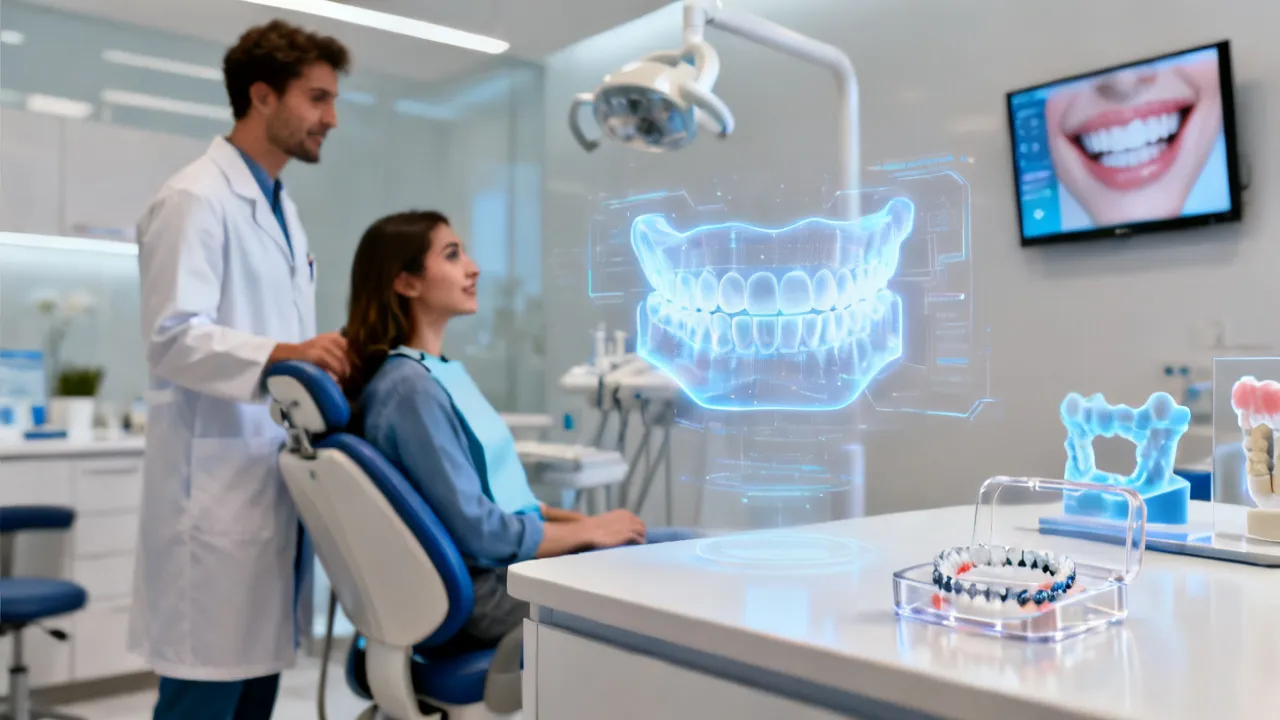
Digital Dentistry in Orthodontics is valuable when it improves diagnostic accuracy, treatment planning quality, and clinical predictability. In practice, that means using intraoral scans, 3D imaging, and software-driven treatment workflows to design braces or aligners that match the patient’s anatomy more precisely—often reducing repeated impressions and helping clinicians standardize planning across visits.
Because orthodontic treatment is time-dependent and needs careful biomechanics, the “digital” part is not simply about having new gadgets. It is about integrating digital records, measurement, and design decisions into an evidence-informed clinical process—then confirming outcomes with appropriate follow-up. Put differently: technology can capture data, but clinicians still make biological and biomechanical decisions. The most successful digital orthodontic cases treat the workflow as a chain, and every link—capture, validation, planning, fabrication, delivery, monitoring, and retention—must be robust.
For many patients, the value of digital dentistry is also practical: fewer appointments devoted to re-impressions, clearer explanations via visual 3D targets, and a smoother experience when plans need to be updated during long treatment timelines. But digital dentistry can also introduce new failure modes: incomplete scans, software assumptions that do not reflect real anatomy, and planning that is too “automation-first” rather than clinician-led. Understanding what happens at each step can help you choose a provider and ask more meaningful questions before treatment begins.
From an industry expert perspective, the very meaningful shift in orthodontics is that clinicians can move from static, two-dimensional records to three-dimensional, measurable models. That affects:
It also changes how documentation works. Instead of relying only on handwritten notes and occasional radiographic updates, digital orthodontics can maintain a record of baseline geometry and planned geometry. That means clinicians can compare “what was intended” versus “what actually happened,” and adjust treatment staging when needed. In ideal workflows, the digital file becomes a longitudinal tracking asset that can be revisited at key milestones, rather than a one-time snapshot.
However, the workflow is only as good as the quality of each input. For example, in orthodontics, accuracy depends not only on scanner hardware but also on patient movement, saliva management, the operator’s scanning technique, and how well the scanning software handles undercuts and hard-to-capture areas. Similarly, digital measurements depend on correct orientation and reference selection—if landmarks are inconsistent, the plan can drift away from clinical reality even if the scans are “sharp.”
Orthodontics and dental implants are distinct specialties, yet they often overlap for adults—particularly when orthodontic treatment follows tooth loss, or when orthodontic finishing is needed before implant placement. Some patients seek low-cost dental implants through cross-border dental tourism, insurance planning, mini-implant options, or negotiated treatment pathways. While such approaches may reduce out-of-pocket expense, they must be evaluated carefully for clinical suitability.
One reason this matters: orthodontic tooth movement and implant planning can influence each other. For example, if a missing tooth site is involved, the timing of orthodontic alignment relative to implant therapy should be coordinated with a restorative/oral surgery team. Orthodontics can create space, adjust angulation, and align adjacent teeth so that the future implant restoration emerges in a prosthetically driven position. If implant planning proceeds without that alignment, the implant may be placed in a position that does not support optimal esthetics, occlusion, or hygiene access.
Also, if you have concerns about cost, it can be tempting to focus on the implant procedure alone. But implant success is strongly tied to the full pathway: diagnosis, surgical method, bone quality management (grafting or alternatives), prosthetic design, and follow-up care. When orthodontics is part of the broader plan, cost decisions should consider whether delays, remakes, or complications create additional expense. “Low-cost” is not automatically “high-value” unless the full care plan remains clinically appropriate.
Digital Dentistry in Orthodontics usually begins with collecting digital records. Typical components include:
Expert note: digital workflows are only as reliable as the capture quality. The scanner’s accuracy, patient comfort, saliva management, scan completeness, and operator technique influence outcomes. High-quality workflows often include a capture checklist and verification step before design proceeds. In practice, validation means confirming that the scan covers critical areas (marginal ridges, embrasures, occlusal surfaces, anterior teeth edges, and posterior relationships) and that there are no missing segments that would force the software to “fill in” anatomy incorrectly.
For many patients, the most noticeable change during digital record capture is comfort. Some people find scanning less uncomfortable than traditional impressions, while others initially feel pressure or gag reflex sensations. A clinician who understands digital workflows will be prepared with patient positioning guidance, scanning pauses, suction strategy, and a plan for rescanning if quality thresholds are not met. Because orthodontic plans can be sensitive to small differences in tooth surfaces and contacts, a “good-looking” scan on the screen may still be unacceptable if it fails certain quality checks.
Another high-impact detail is the consistency of records across time. For example, if baseline scans are taken with one protocol and future monitoring scans are taken with different settings or with incomplete coverage, comparisons become less reliable. Many practices therefore develop standardized capture protocols: same patient position guidance, same scanner path strategy, similar scan time windows, and consistent occlusal record methods where relevant.
Finally, record validation should include an orthodontically meaningful review. That means not only checking geometry completeness but also checking that the occlusion relationships are logically captured. A scan can be dimensionally accurate but still have occlusal errors—such as slight shifts in bite registration—that can influence appliance design or bracket placement. Clinician review helps catch such issues before manufacturing begins.
Once digital records are collected, planning software helps clinicians simulate tooth movement objectives. In orthodontics, that simulation is not a guarantee—it is a plan to be validated. The very responsible use of software is to:
Clinicians using digital platforms typically emphasize measurable outcomes (baseline-to-plan-to-follow-up comparisons) rather than relying solely on visual impressions. That is a major advantage: instead of saying “it looks better,” the clinic can quantify changes such as alignment progression, incisor angulation trends, overjet/overbite movements, or how rotations resolve across staged aligner sets.
In orthodontic practice, planning is also about sequencing. For example, certain movements may create temporary compromises: arch expansion or intrusion can change occlusal contacts, which might affect how later torque control behaves. A digital plan that ignores sequencing can produce a final tooth position that looks right on paper but fails clinically because it was not achieved through biologically and mechanically sound stages. The highest-impact digital workflows therefore include staging logic, not merely a single “final target.”
Moreover, the planning process should be informed by root behavior and long-term stability. While digital software can model surfaces and produce predicted tooth locations, orthodontists must consider the difference between crown movement and root movement, periodontal support, and the limits of safe movement. For adults—especially those with thin bone biotypes, previous restorations, or existing missing teeth—these considerations become even more critical.
When implants are part of the broader pathway, digital planning becomes a coordination tool. Digital models can help evaluate space requirements and tooth inclination changes needed before implant placement. In some cases, orthodontics may be performed to create proper prosthetic space and occlusal guidance prior to surgery. In other cases, implant timing may influence orthodontic decisions: if an implant will be placed soon, aligning adjacent teeth to fit around implant restorative contours may be the priority. The key is integration rather than treating orthodontic and implant plans as independent projects.
Informed consent also benefits from digital planning. Visualizations can help patients understand why staged treatment is necessary and what risks may exist. But informed consent should remain honest. A responsible clinician explains that digital predictions are models, not guarantees, and that biologic variability means outcomes depend on patient-specific response and careful monitoring.
Digital Dentistry in Orthodontics enables appliance workflows such as:
Expert note: manufacturing consistency can improve standardization, but clinical adaptation remains essential—especially for complex movements (e.g., torque control, rotations, root tipping vs. translation). Even when digital designs are sophisticated, orthodontic biomechanics are influenced by bracket systems, wire stiffness, aligner thickness, elastics usage, and patient wear compliance. In aligner therapy, for example, the planned movement is closely tied to how precisely the patient wears the aligners and how well the aligner engages the tooth surfaces at each stage.
Digital appliance design is also closely tied to quality assurance. A strong clinic will check that the designed appliance fits properly: seating should be assessed, and any planned attachments or bite ramps should match the intended occlusion strategy. Poorly seated aligners can lead to undercorrection, prolonged treatment time, and potential root or bracket torque issues.
For retainer production, digital scanning can help achieve improved consistency. Retainers are not merely finishing devices; they are part of stability strategy. If retention is off—if a retainer does not fit properly, or if it fails to maintain correct incisor torque and posterior support—it can contribute to relapse. Digital workflows may help reduce the “fit variability” that can occur with conventional impression techniques, but they still require careful delivery, checking, and patient-specific wear instructions.
Another topic relevant to appliance manufacturing is file transfer and version control. In multi-appointment digital workflows, it is possible for outdated digital files to be used if clinics do not manage versions properly. The best practices include controlled records: baseline scan file version identifiers, planning revision notes, and confirmations before manufacturing begins. When clinics incorporate mid-course adjustments, they should also update the digital design and ensure fabrication uses the most recent and clinically verified plan.
Digital bracket positioning assist can be particularly beneficial for predictable placement, but it is not a substitute for clinical judgment. There are situations where anatomic constraints, enamel conditions, existing restorations, or patient-specific tooth morphology demand careful manual adjustment. A good clinician will use the digital assist as a guide rather than a strict rule.
Finally, digital manufacturing affects patient expectations. Patients may be tempted to assume that the “digital plan” equals guaranteed outcomes. A responsible clinic clarifies that the plan is designed based on current data and targets, while real-world outcomes depend on biology, adherence, and monitoring. Digital tools strengthen the planning process; they do not eliminate uncertainty.
Many practices report that digital workflows can reduce repeated impression sessions because scans can be reviewed immediately. This can improve patient comfort and streamline scheduling. That said, the priority is not speed for its own sake; it is data integrity and appropriate clinical decision-making.
In practical terms, “fewer repeated impressions” has ripple effects. Less rescanning can mean fewer delays in appliance fabrication, which can reduce the time a patient spends waiting for aligners or braces components. But the more important effect is that the clinician can catch capture problems early—missing posterior contacts, inaccurate margins, or incomplete bite registration—before they are sent to a lab or used for design.
In multilingual patient populations, digital visualizations can also support more effective communication. A clear explanation of “before and after” objectives is often easier when clinicians can show a three-dimensional treatment goal. When patients understand the plan, they are more likely to follow instructions—such as aligner wear schedules, elastics wear, appointment attendance, and retention usage.
Communication can also be improved by the ability to show “why” something is recommended. For example, if expansion is required to resolve crowding, digital models can illustrate how arch form changes create space. If a patient is missing a tooth and an implant restoration is part of the long-term plan, digital models can help explain how orthodontics prepares the site for a prosthetically driven outcome.
However, communication is only useful if the clinician can interpret it correctly. A 3D visualization can look dramatic even when the actual clinical movement needed is small. Conversely, subtle movements critical to stability may not appear “obvious” in a model. Clinicians should therefore connect visual information to orthodontic concepts: torque, angulation, tipping vs. translation, contact point establishment, and occlusal guidance.
Another efficiency advantage is that digital records can be re-used for certain tasks. For example, if a clinician needs to fabricate a retainer or produce a revised appliance, they may be able to pull earlier records without starting from scratch. But only if the original records remain valid. If the patient’s anatomy has changed significantly since baseline, new scans may be needed.
Digital workflows do not eliminate clinical uncertainty. Common limitations include:
Practical requirement: whichever digital system is used, the clinician should document baseline records, explain limitations, and schedule follow-ups to verify predicted tooth movement.
It is also important to understand where digital orthodontics may be more sensitive than conventional approaches. For example, aligner therapy can be highly dependent on precise fit and adequate tooth engagement. Small differences in scanning or planning can translate into mismatched aligner seating, which may affect movement accuracy. In bracket-based treatments with digital assist, the digital template may be accurate, but bonding technique quality, bracket base selection, enamel conditions, and clinical placement verification can still influence outcomes.
Digital workflows also have limitations related to patient factors. Patients with heavy saliva production, active gag reflex, missing teeth that complicate reference geometry, or significant restorations can pose scanning challenges. While clinics can adapt, the workflow remains dependent on capture quality.
Another risk is that digital orthodontics may encourage a “one-plan-fits-all” mindset. But complex cases often require iterative refinement: mid-course scans, updated aligner sets, and careful monitoring. Clinics that treat revisions as an afterthought may reduce cost but can increase clinical risk. Clinicians should define revision thresholds and explain how course corrections are handled.
Radiographic imaging is also part of the limitation picture. Digital 3D modeling is helpful, but root positions and bone anatomy are assessed with radiographic methods that have their own constraints. Digital orthodontic planning must respect the limitations of imaging and avoid overconfidence. A plan should be clinically grounded, not purely software-driven.
Finally, retention is an area where digital tools may help but cannot replace patient behavior. Even the best digital retainer designs require consistent use and appropriate follow-up. If a patient does not wear retainers as instructed, relapse can occur regardless of digital planning quality.
When assessing a provider, consider questions that map directly to clinical quality:
To go even deeper, you can ask additional questions that reveal whether the clinic treats digital tools responsibly:
Another important evaluation aspect is the clinic’s ability to coordinate with other specialties. If you may need implants or restorative work, ask whether the orthodontist collaborates with periodontists or oral surgeons and whether the treatment plan includes a timeline for those steps. Digital records can make coordination easier, but only if the clinic actually uses them for collaborative planning.
| Website (information focus) | Typical angle on low-cost implant access |
|---|---|
| DentalViews | General education on implant types, benefits, and pricing context for affordability-oriented patients. |
| Atlantic Dental Group | Clinic-style service breadth (e.g., implants and related treatments) with appointment and care-access information. |
| DentaVacation | Dental tourism framing—cost comparisons and the logistics of seeking treatment abroad to reduce bills. |
Source note: The table summarizes what each site is broadly intended to communicate to patients, not a clinical endorsement of outcomes.
The pathways below are framed as practical steps. The suitability of any option depends on clinical assessment of bone volume, oral health, medical status, and treatment objectives—especially if orthodontic alignment is part of the overall plan.
When coordinating with orthodontics, additional questions can help protect your long-term outcome:
If you’re also dealing with orthodontics, the language advantage of digital records can be helpful. Ask whether the clinic can share printed or digital visual plans that explain how tooth alignment connects to future implant space. When patients understand the “why,” they are less likely to accept shortcuts that could affect outcomes.
In Portuguese-speaking contexts where dentistry access may differ by region, patients can reduce risk by clarifying continuity of care: who will manage follow-ups, what address and phone number is used for emergencies, and whether restorations are made locally or remotely. These details matter, because remote manufacturing without clear warranties can complicate long-term maintenance.
Below are reference ranges for individual dental implants. Actual pricing can vary significantly by clinical complexity (bone quality, need for grafting, anesthesia level), prosthetic choices (crown type), and local market conditions.
| Country (language region) | Currency | Price range (individual implant) |
|---|---|---|
| United States (English) | USD | $3,000 - $6,000 |
| United Kingdom (English) | GBP | £2,000 - £2,500 |
| Australia (English) | AUD | AU$3,500 - AU$6,500 |
| Canada (English) | CAD | CA$3,000 - CA$5,500 |
| Spain (Spanish) | EUR | €1,500 - €2,500 |
| Chile (Spanish) | CLP | CLP$800,000 - CLP$1,500,000 |
| Mexico (Spanish) | MXN | $15,000 - $25,000 MXN |
| Colombia (Spanish) | COP | $2,000,000 - $4,000,000 COP |
| Peru (Spanish) | PEN | S/ 3,000 - S/ 6,000 |
| Argentina (Spanish) | ARS | $80,000 - $150,000 ARS |
| Brazil (Portuguese) | BRL | R$3,000 - R$8,000 |
| Portugal (Portuguese) | EUR | €1,000 - €2,000 |
| Germany (German-speaking) | EUR | €2,000 - €3,500 |
| France (French-speaking) | EUR | €1,500 - €2,500 |
| Italy (Italian-speaking) | EUR | €1,500 - €3,000 |
| Japan (Japanese-speaking) | JPY | ¥300,000 - ¥700,000 |
Even in cases where the price of the “implant component” is attractive, the total bill can change when you include prosthetics, abutment selection, additional imaging, bone grafting, sedation, and follow-up. If you’re also budgeting for orthodontics, it is common for adult cases to have a combined cost profile across specialties. A helpful clinic provides a timeline and shows which phase is responsible for which expenses, so you can plan without guesswork.
For adult patients, orthodontic treatment may be combined with implant or restorative care. In a coordinated plan, digital tools can help with:
Expert note: if you are considering low-cost implants, be sure the implant plan is still compatible with orthodontic objectives—because “cheaper” should not translate into compromised alignment or prosthetic outcomes.
Digital integration matters because orthodontic finishing is not just about straight teeth. It also involves creating the right spatial conditions for future restorations. For implant restorations, the emergence profile, gingival contour, occlusal table shape, and contact relationships are all influenced by the position of adjacent teeth and the final bite. If orthodontics places teeth into a stable and prosthetically appropriate position, the implant surgeon can plan placement with greater confidence. Conversely, if teeth are not in the right positions at the time of implant placement, the surgical and restorative phases can become more complex and more expensive.
There are common coordination scenarios:
Digital dentistry supports these scenarios by allowing standardized measurement and visualization. For example, if an orthodontist updates scans during mid-treatment, those updated models can be shared with an implant team to evaluate how tooth movements may change implant-prosthetic requirements. But file sharing requires careful management: images and scans must be interpreted correctly, and the implant team must ensure their surgical planning is based on accurate anatomy.
From a patient safety standpoint, coordination also reduces the likelihood of conflicting treatment decisions. If an implant is planned without acknowledging orthodontic tooth movement, the final implant crown may not align with occlusal harmony. If orthodontics proceeds without considering implant prosthetic emergence, adjacent teeth may be moved into positions that complicate hygiene or aesthetics. Coordination is therefore not a “nice-to-have”; it is a core requirement for predictable outcomes.
No. Digital dentistry refers to the tools and workflow (scanning, modeling, planning, and sometimes manufacturing). Orthodontic care includes clinical diagnosis, treatment mechanics, monitoring, and retention. Digital tools support—rather than replace—clinical judgment.
It usually reduces repeated impressions, but it does not remove the need for monitoring. Tooth movement must be verified throughout treatment, and treatment plans may require adjustments. Depending on case complexity and the appliance type, clinics may schedule more frequent check-ins early on to confirm fit, track response, and address any issues.
They can be used in many complex cases, but suitability depends on the orthodontist’s plan, biomechanics, and the patient’s response. Clinicians may propose refinements if tracking is not as expected. For movements requiring precise torque or controlled translations, the clinician may use adjunct mechanics, attachments, or staged refinements to improve predictability.
Common issues include incomplete scans, capture artifacts, incorrect assumptions about biomechanics, and inadequate verification steps. These are managed by clinician-led review, quality checks, and appropriate follow-up appointments. Another practical risk is delayed correction: if a mismatch between plan and actual movement is identified late, the patient may require additional stages or longer treatment time.
They may matter for adults missing teeth or needing implant-supported restorations. Timing and coordination with orthodontic tooth movement are critical, so the implant pathway should be integrated into the overall treatment plan. A plan that prioritizes cost alone without considering sequence and prosthetic requirements can create downstream expenses.
Reference ranges vary widely by region and case complexity. Even within the same country, final cost can change due to bone conditions, need for grafting, anesthesia level, restorative component choice, and clinic policies. In addition, the “price per implant” may not capture the cost of prosthetic phases that are essential for the final result.
Ask for an itemized quote, confirm what is included in the cost, verify the clinician credentials, request details of post-operative and restorative follow-up, and ensure the plan is clinically appropriate for your anatomy and timeline (especially if orthodontics is ongoing). Also ask about warranty coverage, complications handling, and who performs each phase.
The safest approach typically combines proper diagnosis with transparent, itemized pricing. Consider insurance planning where available and ask about installment options. Avoid approaches that reduce clinical checks needed for implant candidacy. The key is to minimize unnecessary cost-cutting while still improving affordability through transparent billing, staged payments, or evidence-based alternatives.
Dental tourism can reduce price, but the total cost may change once you include travel, accommodation, and post-procedure support needs. More importantly, quality depends on provider qualifications and continuity of care. Aftercare is not optional for implant procedures, especially during healing and early restoration phases.
Mini-implants may be less expensive in some settings, but they are not universally appropriate. The correct implant approach depends on bone quality, stability needs, and the intended restorative plan. Patients should ensure that the mini-implant option is clinically indicated and not selected solely for cost reduction.
Some plans cover portions of diagnostic work, procedures, or restorative phases depending on terms. Coverage varies by insurer and policy, so review benefits carefully and ask the provider to clarify coverage requirements. If you’re coordinating orthodontics and implants, confirm whether your plan separates coverage across specialties and how claims are documented.
1) The above information comes from online resources, and the data is as of October 2023.
2) Dental implant prices are for reference only and may vary by region, clinic and doctor.
[www.dentalviews.com/low-cost-dental-implants/](https://dentalviews.com/low-cost-dental-implants/)
[www.atlanticdentalgrp.com/](https://www.atlanticdentalgrp.com/)
[www.dentavacation.com/](https://www.dentavacation.com/)
[www.rockvilledentalarts.com/es/](https://rockvilledentalarts.com/es/)
[www.cigna.com/es-us/knowledge-center/guide-to-dental-implants](https://www.cigna.com/es-us/knowledge-center/guide-to-dental-implants)
[www.unioncityminidentalimplants.com/es/](https://www.unioncityminidentalimplants.com/es/)
[www.rubiodonto.com.br/](https://www.rubiodonto.com.br/)
[www.odontologiavelasco.com.br/](https://www.odontologiavelasco.com.br/)
[www.dentalvidas.com.br/](https://www.dentalvidas.com.br/)
Orthosmile Hounslow: Dental Implant and Orthodontic Guide
Orthosmile Hounslow: Dental Implant Cost & Options
Orthosmile Hounslow: Low-Cost Dental Implants Explained
Orthosmile Hounslow Guide to Implants and Orthodontics
Orthosmile Hounslow Guide to Affordable Implant Options
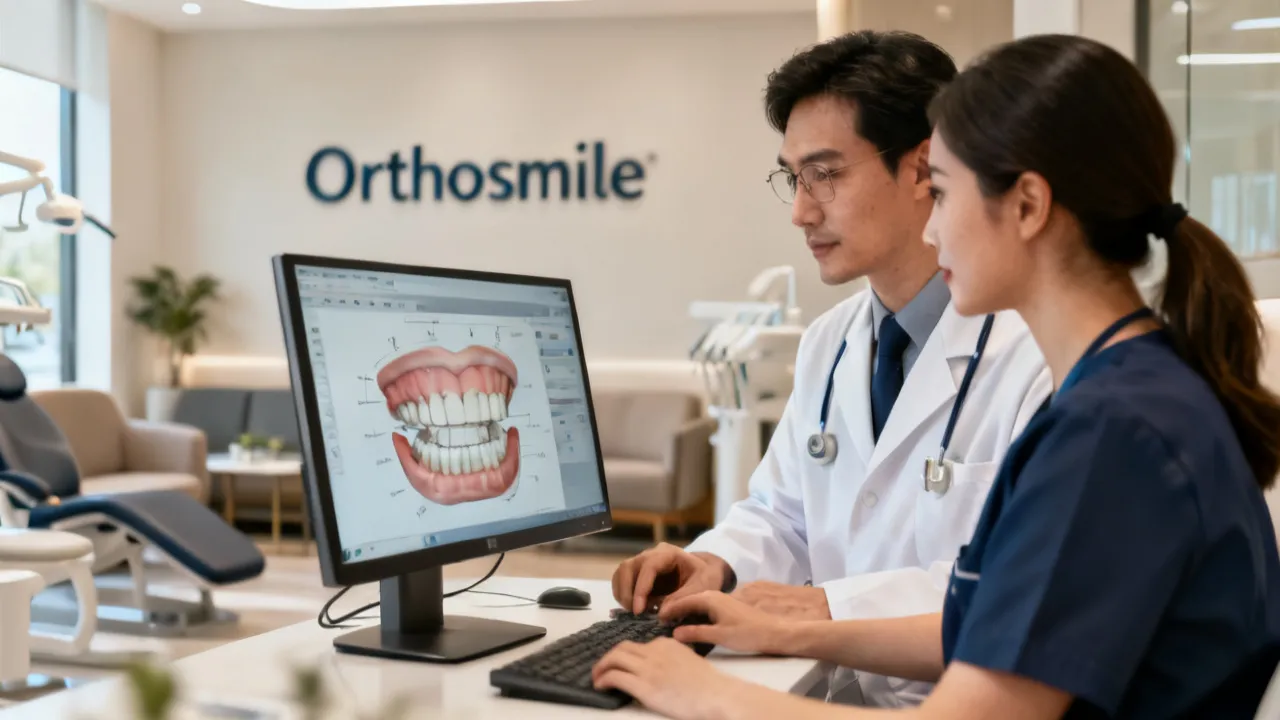
Orthosmile Hounslow: Dental Implants and Care Guide
Orthosmile Hounslow: Dental Implant Cost Guide Nearby
Orthosmile Hounslow: Dental Implants and Care Guide
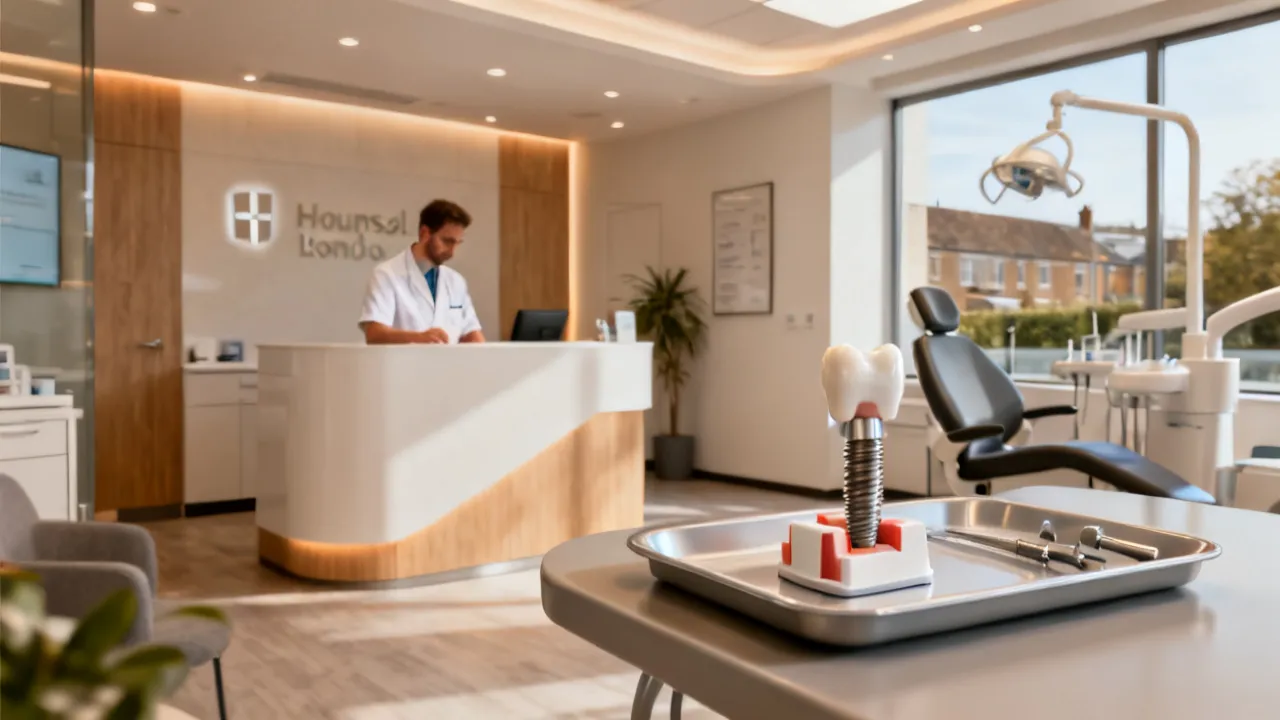
Orthosmile Hounslow Guide to Dental Implants

Orthosmile Hounslow: Dental Implant and Orthodontic Guide
This expert guide explains what to consider when choosing Orthosmile Hounslow for orthodontic care and dental implant treatment. It reviews how low-cost implant decisions work across English-, Spanish-, and Portuguese-speaking patient pathways, outlines typical cost ranges, and provides a practical step-by-step checklist plus FAQs—so you can plan consultations with clearer expectations.
Orthosmile Hounslow: Dental Implant Cost & Options
This guide explains how Orthosmile Hounslow supports patients comparing dental implant pathways, clinical steps, and realistic cost expectations. It also reviews how English-, Spanish-, and Portuguese-speaking countries approach affordability, including low-cost implant information sources, insurance considerations, and typical pricing bands from October 2023-era online references, with clear requirements and FAQs.
Orthosmile Hounslow: Low-Cost Dental Implants Explained
This guide explains how Orthosmile Hounslow approaches dental implants, especially when budgets are a key constraint. It provides objective context on implant types, assessment steps, and what drives pricing across English-speaking, Spanish-speaking, and Portuguese-speaking regions. You’ll also find practical ways to pursue lower-cost options, cost reference ranges, and FAQs for informed decision-making.
Orthosmile Hounslow Guide to Implants and Orthodontics
This guide explains how Orthosmile Hounslow supports patients considering dental implants and orthodontic care. It also compares how low-cost implant information is presented across English-, Spanish-, and Portuguese-speaking markets, outlines practical steps to pursue affordable options, and offers reference price ranges by country. The focus is objective decision-making, not marketing claims.
Orthosmile Hounslow Guide to Affordable Implant Options
This guide explains how patients evaluate Orthosmile Hounslow for implant-related dental care, with an evidence-led view of affordability, clinical planning, and what to ask during consultations. It also compares online references on low-cost dental implants, details step-by-step routes used across English-, Spanish-, and Portuguese-speaking markets, and provides region-based cost ranges as reference only.
Orthosmile Hounslow: Dental Implants and Care Guide
This guide explains how to evaluate dental implant options with a focus on Orthosmile Hounslow and the practical decision points behind low-cost implant pathways. It reviews clinic services, planning requirements, and cost ranges across English-, Spanish-, and Portuguese-speaking countries, then compares trusted information sources and outlines a step-by-step approach—ending with key FAQs and a clear disclaimer.