English

This guide explains how Orthosmile Hounslow supports patients planning dental implants and orthodontic care nearby. It provides an objective view of low-cost implant options, outlines verified cost ranges across countries, and compares how different information sources approach pricing and processes. You’ll also find a practical step-by-step pathway to pursue cost-effective implants.
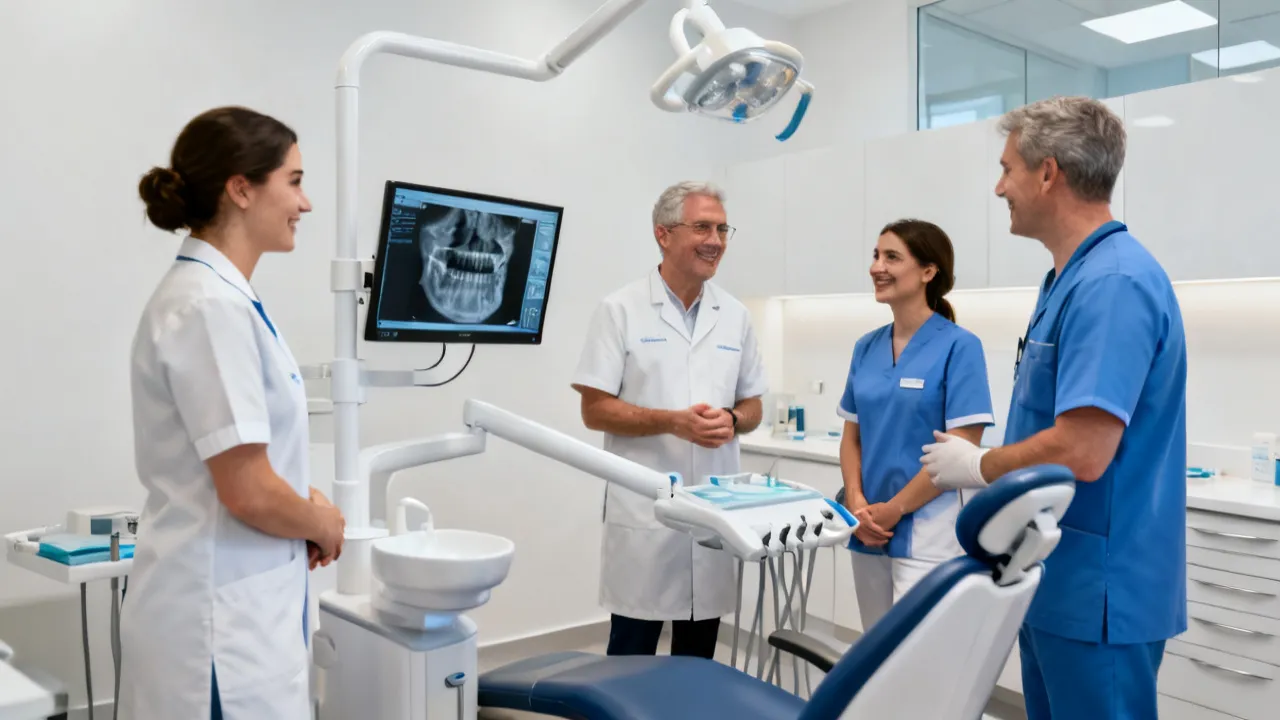
Planning dental implants is rarely just a pricing decision. It is a clinical pathway that blends diagnosis, surgical planning, restoration design, and good maintenance—each of which affects final cost. For patients searching for Orthosmile Hounslow, the practical value lies in aligning expectations: understanding what “low cost” typically means, what can be safely optimized, and which factors should never be compromised.
In the broader dental market (including English-, Spanish-, and Portuguese-speaking countries), clinics and information providers tend to explain low-cost implant routes through similar themes: published educational content about implant benefits, comparisons of treatment options, insurance or payment planning concepts, and—at times—dental tourism cost differences. This guide consolidates those themes into an evidence-aware framework, then applies them to the planning realities patients face when evaluating implant and orthodontic pathways nearby.
When people evaluate implant options, they often focus on the implant fixture price. However, the patient’s actual “experience of cost” is influenced by far more than the titanium post itself. Costs accumulate across the journey: imaging, consultation, extractions (if needed), bone grafting (if needed), surgical time, healing appointments, abutment selection, crown/bridge fabrication, bite adjustment, and long-term peri-implant monitoring. Low-cost strategies are most successful when they are implemented thoughtfully across that full pathway—not just at the moment of purchasing an implant component.
In a local context like Hounslow, another practical consideration is continuity of care. Dental implants are not a single-day event; they require follow-up. Patients often prefer a nearby clinic for easier access to review appointments, troubleshooting, and long-term maintenance. Even if an overseas option looks cheaper upfront, the total “cost of convenience,” including travel time and the risk of delayed follow-up, can become significant—especially if adjustments are required.
Therefore, “what to expect” includes not only the steps of implant care, but the questions you should ask during the initial consultation so the quote reflects your actual needs. This guide will walk you through how to interpret low-cost claims, how to request itemized information, which clinical factors most influence implant pricing, and how orthodontic history can affect restorative outcomes near Hounslow.
Dental implants replace missing teeth by anchoring a biocompatible fixture into the jawbone and then restoring function and aesthetics with a prosthetic tooth or teeth. While it is common to see implant offerings advertised, responsible clinical planning usually includes:
For a patient evaluating care associated with Orthosmile Hounslow, it helps to ask: “What decisions drive my quote?” In many cases, the quote reflects more than the implant fixture itself—it also reflects imaging, surgical components, prosthetics, lab work, clinical reviews, and complication contingency planning.
To understand this clearly, consider that a dental implant journey often has multiple “branches.” For example:
These branches are clinical decisions, but they are also pricing drivers. A lower price can occur when a clinic’s plan is simpler for that specific patient, or when certain items are not included in the quoted number. Therefore, a “cheap” implant can sometimes be a genuinely good deal—but it can also be an incomplete quote that leads to extra charges later.
Another reason implants are more than a procedure is that implant success depends on long-term biological stability, not only initial surgery. Peri-implant inflammation, plaque control, and mechanical overload are major factors affecting outcome. That means aftercare—professional checkups and guidance on home hygiene—should be considered part of the treatment cost, not an optional extra.
“Low cost dental implants” can mean several different things across clinics and countries:
Industry education providers typically emphasize the implant’s clinical value and explain that affordability must be assessed alongside suitability. That balanced framing matters for patients nearby considering Orthosmile Hounslow or any local pathway.
It is also useful to clarify what should not be optimized aggressively. Many patients want the lowest upfront price, but some elements should be standardized and quality-protected, such as:
In practical terms, a “low cost” offer becomes more trustworthy when the clinic is willing to show how the plan is tailored to your anatomy and oral health status, and when it provides a structured follow-up schedule. When a clinic provides only a price but not the clinical reasoning and pathway, the patient may be taking a risk.
Another common misunderstanding is that low-cost implants always mean “mini implants.” Mini implants can be appropriate in selected situations, but they are not automatically cheaper in all cases. If a mini implant requires additional supporting work, or if the restoration is not designed optimally, the total cost may not be lower. Therefore, “low cost” should be evaluated as a full plan, not as a component-level discount.
Although dental implants and orthodontics are distinct specialties, their planning can intersect—especially if a patient has spacing, malocclusion, or treatment history. In an urban area such as Hounslow, access to English-speaking consultations and coordinated follow-up is often a practical advantage. Patients who have previously undergone orthodontic alignment may require careful bite evaluation before implant restoration, ensuring the prosthetic tooth or teeth integrates with occlusion and does not create undue stress on the implant restoration.
From a professional standpoint, an “implant-ready” orthodontic approach often involves:
In real clinical practice, orthodontics may affect implant outcomes through several mechanisms. For example:
If your orthodontic treatment is ongoing or recently completed, ask whether your implant plan accounts for the finishing position of teeth and the expected stability of bite changes. A tooth moved orthodontically can relapse, and bite conditions can evolve slightly after braces. This is why a clinician might time implant placement after orthodontic finishing, or might request additional records close to the implant phase.
In a clinic setting near Hounslow, integrated care is particularly valuable if your provider can coordinate records and interpret them in the context of restorative biomechanics. Even if the orthodontic work was done elsewhere, the implant clinician should have a plan for occlusion evaluation and restoration planning.
To help patients understand how “low-cost dental implant information” is presented, the following table compares several websites by general approach (not by price promises). The focus is on the kind of educational or service guidance offered.
| Website | Information/Service Emphasis | Typical Patient Use-Case |
|---|---|---|
| dentalviews.com/low-cost-dental-implants | Educational breakdown of implant benefits, types of treatments, and cost drivers | Patients seeking an overview before requesting quotes |
| atlanticdentalgrp.com | Broad clinic services overview with appointment and service categories (including implants and orthodontics) | Patients comparing local service bundles and access routes |
| dentavacation.com | Dental tourism framing with cross-country cost comparison concepts and travel arrangements | Patients exploring overseas options for affordability |
| rockvilledentalarts.com/es | Spanish-language comprehensive clinic services approach (implants, orthodontics, whitening, emergencies) | Spanish-speaking patients seeking clear clinic access and communications |
While these sources may help you understand categories of cost and treatment approaches, you should treat them as starting points rather than definitive guides. What matters for your “real” low-cost plan is your personal clinical requirements, your health factors, and the restoration design that fits your bite and hygiene capabilities.
Also, content quality varies. A page might explain implants clearly but not include robust information about follow-up responsibilities or complication management. When you read implant articles, look for clues about accountability: do they talk about follow-up, maintenance, and case selection? Responsible information typically covers the entire care pathway, not only the implant step.
This section reframes practical pathways commonly used in English-, Spanish-, and Portuguese-speaking patient communities. Even if your consultation is local (for example, with a clinic such as Orthosmile Hounslow), the same cost-logic applies: you reduce out-of-pocket spending without bypassing clinical standards.
When patients live in bilingual or multicultural environments, the pathway to “affordable care” can involve more than pricing. Communication clarity is a cost factor. If you cannot clearly understand treatment steps, you might miss pre- or post-operative guidance, or you might delay follow-up. The result can be avoidable complications, which can be costly in both money and time.
Clinics that support your language needs—whether through translated consent forms, interpreter services, or bilingual clinicians—often improve the patient experience. While translation itself isn’t “free,” it can reduce misunderstandings that lead to rework. Therefore, near-bilingual support can indirectly protect your “low cost” goal.
To make this step-by-step pathway even more useful, it helps to know what “itemized quotes” should contain. In a well-structured implant proposal, you typically want to see separate lines for:
Patients often discover that “low-cost” is achieved by bundling some of these lines. But the patient still needs to confirm what’s actually being bundled. For example, a clinic may include surgical follow-ups but not include a certain number of prosthetic adjustment visits. Or a quote might include the crown fabrication but not include professional hygiene visits for implant maintenance.
Expanding the checklist helps you apply it in conversation. For instance:
In bilingual environments, ask whether the clinic provides the checklist and aftercare instructions in your preferred language. When instructions are understood, compliance improves. Compliance can improve clinical outcomes, which reduces the chance of added costs.
Online resources often target patient needs by language and practical access:
Even if these examples are global in style, the principle remains local: clarity of pathway. If the patient knows what happens at each phase, they can budget more accurately and avoid unpleasant surprises.
For Hounslow-based patients—particularly those who communicate in multiple languages—another practical approach is to request written summaries after the consultation. Written summaries reduce the risk that key details are forgotten. When you return for surgery or follow-up, you can refer to those documents to remember instructions such as medication guidance, oral hygiene technique changes, and diet restrictions.
Cost figures vary widely depending on clinical need (bone grafting, extractions, implant system, and prosthetic design). The following ranges are provided for individual dental implants for easy cross-country orientation.
| Country | Currency | Price Range (Individual Implant) |
|---|---|---|
| United States | USD | $3,000 - $6,000 |
| United Kingdom | GBP | £2,000 - £2,500 |
| Australia | AUD | AU$3,500 - AU$6,500 |
| Canada | CAD | CA$3,000 - CA$5,500 |
| Spain | EUR | €1,500 - €2,500 |
| Chile | CLP | CLP$800,000 - CLP$1,500,000 |
| Mexico | MXN | $15,000 - $25,000 |
| Colombia | COP | $2,000,000 - $4,000,000 |
| Peru | PEN | S/ 3,000 - S/ 6,000 |
| Argentina | ARS | $80,000 - $150,000 |
| Brazil | BRL | R$3,000 - R$8,000 |
| Portugal | EUR | €1,000 - €2,000 |
| Germany | EUR | €2,000 - €3,500 |
| France | EUR | €1,500 - €2,500 |
| Italy | EUR | €1,500 - €3,000 |
| Japan | JPY | ¥300,000 - ¥700,000 |
To use these reference ranges effectively, it helps to think of them as “ballpark anchors,” not as direct comparisons between clinics. A quote near the low end of a range might still be clinically appropriate, but it may also reflect fewer included services. Conversely, a quote on the higher end might include additional diagnostics, bone grafting, higher-grade materials, more meticulous follow-up, or custom prosthetic components.
Also, “individual implant” does not always mean “single missing tooth only.” In practice, an implant site might require extraction, grafting, or staged loading. Therefore, when you compare quotes—especially cross-country—ask whether the price includes the entire pathway to a final crown, or whether it covers only the surgical placement stage.
For local Hounslow patients, these country ranges can help you calibrate expectations, but your best benchmark is a detailed local quote. Local pricing reflects the UK-specific costs of dental materials, clinical governance, and appointment scheduling. It also reflects how the clinic supports follow-up and long-term maintenance.
Even when patients compare “low cost” options, pricing is often driven by clinical requirements. The main factors include:
For a clinic like Orthosmile Hounslow, a professional quote should explain which factors apply to you. If a quote lacks these details, patients should ask targeted questions before deciding.
To deepen this, consider how each factor affects both cost and clinical complexity:
In addition to the factors listed, many clinics consider factors like the status of neighboring teeth, the width and shape of the ridge, gum biotype (thin versus thick tissue), and aesthetic zone demands (front teeth). In the aesthetic zone, the restoration design and soft tissue management can increase complexity—and sometimes cost. However, good planning in that region can provide outcomes that look natural and remain stable over time.
Also, ask whether your plan accounts for hygiene access. If the restoration design makes brushing around the implant difficult, long-term inflammation can rise. Difficult hygiene access can turn an initially “low-cost” plan into a higher-cost future plan due to maintenance visits and possible peri-implant treatment.
Q1: Is the lowest implant price always the top option?
A: Not necessarily. A lower price can reflect reduced scope, different materials, or fewer included services. Clinically, what matters is fit-for-purpose planning, imaging, restoration design, and aftercare. Ask for itemized costs and clarifications on what is included.
Q2: What does a typical implant cost quote include?
A: Many quotes include diagnostics, implant fixture and components, the crown/bridge, and follow-up visits. However, the inclusion varies by clinic. Request an itemized breakdown and confirm whether post-op reviews and adjustments are included.
Q3: Do insurance plans reduce implant costs in practice?
A: Dental insurance can reduce out-of-pocket expenses depending on plan terms, coverage categories, waiting periods, and eligibility rules. In the U.S. context, providers such as American Dental Health Plans (ADHP) are designed to help consumers find coverage, but coverage details must be reviewed for your specific scenario.
Q4: Are mini dental implants cheaper?
A: Mini implants may be a cost-relevant option in selected cases because they use specialized approaches. Still, mini implants are not universally appropriate; stability requirements and restoration planning determine suitability.
Q5: What should I look for in Spanish-language or Portuguese-language implant information?
A: Look for clarity: the described services, what languages are supported, how appointments are booked, and whether the information distinguishes education from guaranteed pricing. Clinically responsible providers will emphasize assessment and suitability.
Q6: Could orthodontic treatment affect implant results?
A: Yes. Orthodontic alignment can alter spacing, bite relationships, and restorative space. If you are planning implants and have orthodontic history, clinicians should evaluate occlusion and ensure the restoration design integrates with your alignment.
Q7: Is dental tourism a reliable way to lower costs?
A: Some patients reduce total spending by traveling for treatment. Reliability depends on governance and follow-up planning—documentation, post-operative support, and coordination with your future local dental care. If you consider tourism, ensure your follow-up strategy is secure before treatment begins.
Q8: How long does the implant process take?
A: Timing depends on whether the case is immediate or staged, bone conditions, and restoration planning. Clinicians typically outline a timeline that includes healing and final prosthetic fitting.
Q9: What should I ask if my quote doesn’t mention bone grafting?
A: Ask whether grafting is assessed based on imaging and clinical measurements. If grafting might be required, confirm whether it is included in the quote or whether it would be an additional cost depending on findings at surgery.
Q10: What if my implant restoration needs adjustments after fitting?
A: Ask how many adjustment visits are included and whether occlusal refinement is part of the standard pathway. Clear policies reduce the risk of extra costs and improve the chance that issues are addressed early.
Q11: Will I need a retainer or night guard if I grind/clench?
A: If you have parafunctional habits, clinicians may recommend a protective device. This can be an additional cost, but it may protect the implant restoration and surrounding tissues.
Q12: How often should I see my dentist for implant maintenance?
A: Many implant care pathways include an initial follow-up schedule after placement, followed by periodic maintenance—often at intervals determined by your risk level (e.g., gum health, smoking status, hygiene quality). Ask for the recommended interval and what it includes.
As a professional framework, consider the following evaluation method before committing to treatment. It is designed to prevent “false savings,” where costs appear lower but later adjustments increase overall expense.
To apply this guidance effectively, it helps to have a structured list of questions ready for your consultation at Orthosmile Hounslow (or any clinic you’re considering). For example:
With a cost lens, the goal is not to “negotiate away” clinical steps. The goal is to understand where your budget goes, and to confirm that there is no hidden exclusion that forces you to pay later for basic follow-up or adjustment work.
Another practical evaluation criterion is professional communication. Patients often underestimate how much communication clarity matters for cost control. When a clinic explains the plan, timelines, and aftercare, patients can adhere to instructions. Adherence reduces the risk of complications that lead to costly extra visits, emergency appointments, or restoration remakes.
If you have orthodontic history, add additional evaluation questions:
Low-cost dental implants are achievable when patients treat affordability as a strategy—through suitability assessment, itemized quotes, and transparent inclusion of diagnostics, prosthetics, and aftercare. If you plan implant care nearby and are considering orthodontic interactions, prioritize alignment with restorative space and occlusion evaluation.
Use cross-country cost ranges as reference points, then verify the real drivers of your personal treatment plan with your clinician. For many patients, the top “value” comes from reducing avoidable rework, not merely selecting the lowest sticker price.
To convert this into a practical checklist for your own planning—especially if you’re looking for Orthosmile Hounslow—consider doing the following before you sign or pay any deposit:
1) The above information comes from online resources, and the data is as of October 2023. 2) Dental implant prices are for reference only and may vary by region, clinic and doctor.
[www.dentalviews.com](https://dentalviews.com/low-cost-dental-implants/)
[www.atlanticdentalgrp.com](https://www.atlanticdentalgrp.com/)
[www.dentavacation.com](https://www.dentavacation.com/)
[www.rockvilledentalarts.com/es](https://rockvilledentalarts.com/es/)
Orthosmile Hounslow: Dental Implant and Orthodontic Guide
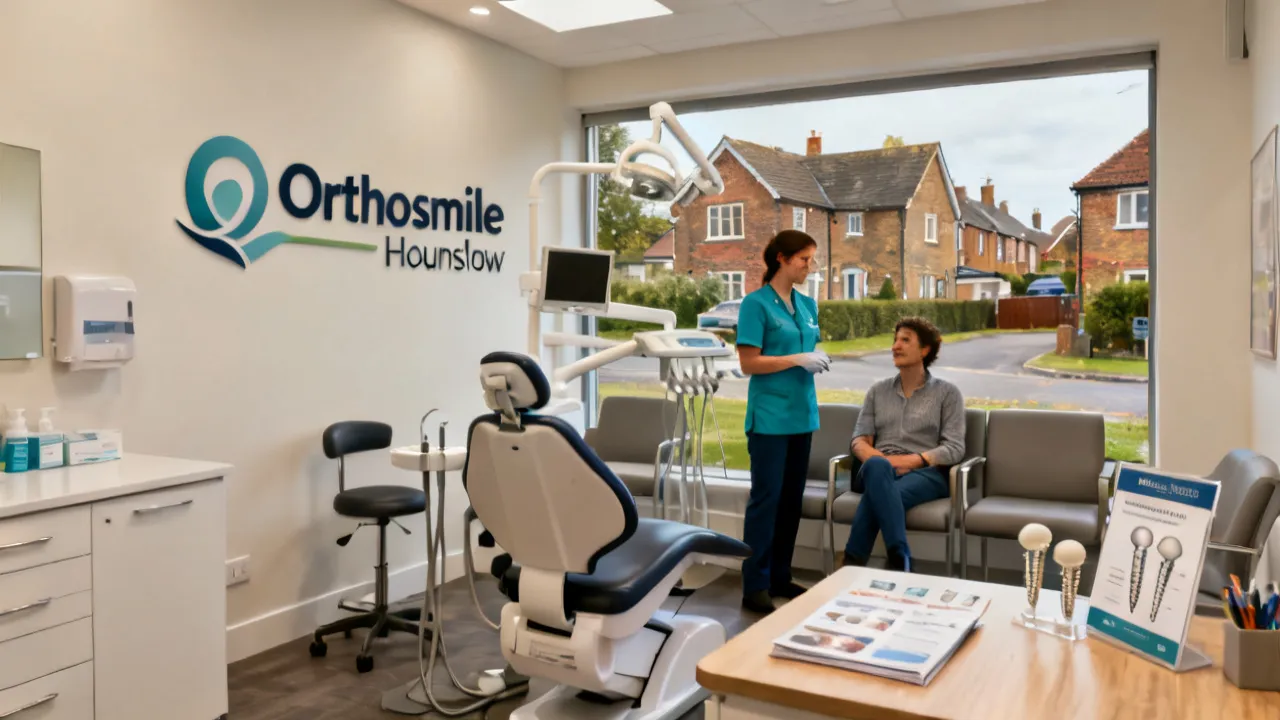
Orthosmile Hounslow: Dental Implant Cost & Options
Orthosmile Hounslow: Low-Cost Dental Implants Explained
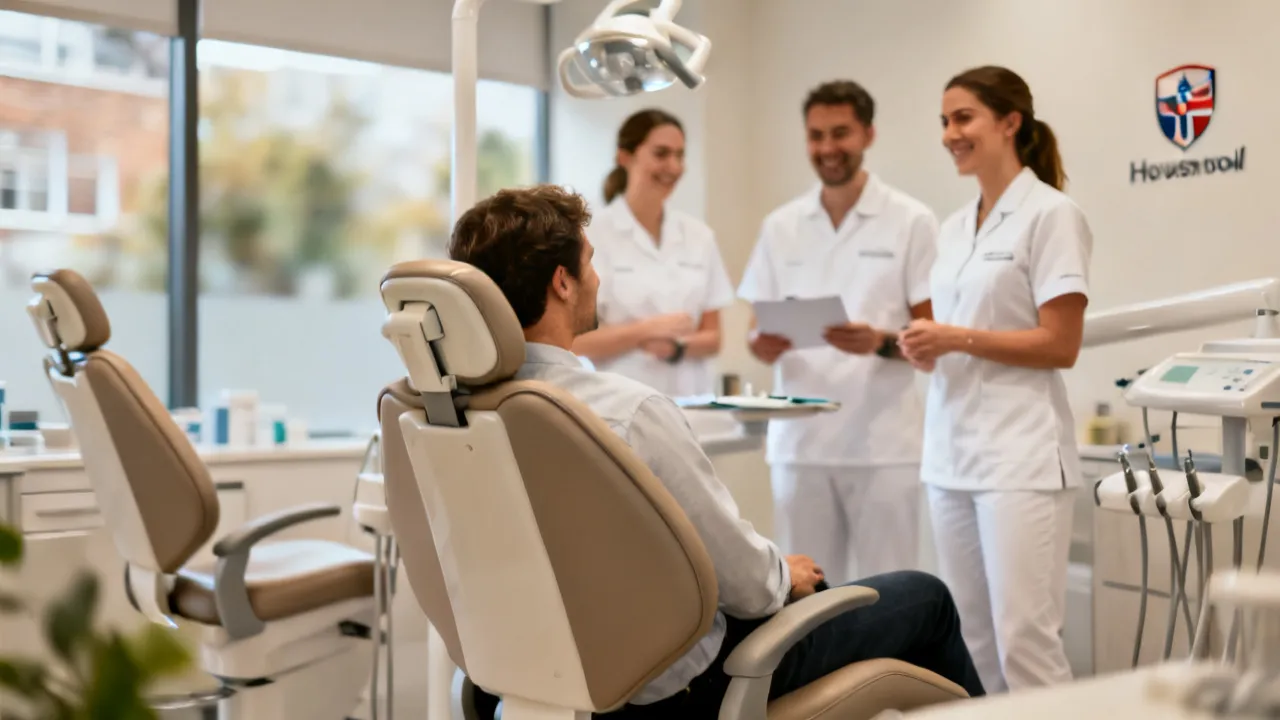
Orthosmile Hounslow Guide to Implants and Orthodontics
Orthosmile Hounslow Guide to Affordable Implant Options
Orthosmile Hounslow: Dental Implants and Care Guide
Orthosmile Hounslow: Dental Implant Cost Guide Nearby
Orthosmile Hounslow: Dental Implants and Care Guide
Orthosmile Hounslow Guide to Dental Implants

Orthosmile Hounslow: Dental Implant and Orthodontic Guide
This expert guide explains what to consider when choosing Orthosmile Hounslow for orthodontic care and dental implant treatment. It reviews how low-cost implant decisions work across English-, Spanish-, and Portuguese-speaking patient pathways, outlines typical cost ranges, and provides a practical step-by-step checklist plus FAQs—so you can plan consultations with clearer expectations.
Orthosmile Hounslow: Dental Implant Cost & Options
This guide explains how Orthosmile Hounslow supports patients comparing dental implant pathways, clinical steps, and realistic cost expectations. It also reviews how English-, Spanish-, and Portuguese-speaking countries approach affordability, including low-cost implant information sources, insurance considerations, and typical pricing bands from October 2023-era online references, with clear requirements and FAQs.
Orthosmile Hounslow: Low-Cost Dental Implants Explained
This guide explains how Orthosmile Hounslow approaches dental implants, especially when budgets are a key constraint. It provides objective context on implant types, assessment steps, and what drives pricing across English-speaking, Spanish-speaking, and Portuguese-speaking regions. You’ll also find practical ways to pursue lower-cost options, cost reference ranges, and FAQs for informed decision-making.
Orthosmile Hounslow Guide to Implants and Orthodontics
This guide explains how Orthosmile Hounslow supports patients considering dental implants and orthodontic care. It also compares how low-cost implant information is presented across English-, Spanish-, and Portuguese-speaking markets, outlines practical steps to pursue affordable options, and offers reference price ranges by country. The focus is objective decision-making, not marketing claims.
Orthosmile Hounslow Guide to Affordable Implant Options
This guide explains how patients evaluate Orthosmile Hounslow for implant-related dental care, with an evidence-led view of affordability, clinical planning, and what to ask during consultations. It also compares online references on low-cost dental implants, details step-by-step routes used across English-, Spanish-, and Portuguese-speaking markets, and provides region-based cost ranges as reference only.
Orthosmile Hounslow: Dental Implants and Care Guide
This guide explains how to evaluate dental implant options with a focus on Orthosmile Hounslow and the practical decision points behind low-cost implant pathways. It reviews clinic services, planning requirements, and cost ranges across English-, Spanish-, and Portuguese-speaking countries, then compares trusted information sources and outlines a step-by-step approach—ending with key FAQs and a clear disclaimer.