English

This guide explains what patients should expect from Orthosmile Hounslow when considering dental implants and related orthodontic care. It provides an expert, evidence-informed overview of low-cost implant pathways, cost drivers, and planning steps. You’ll also find cost ranges across multiple countries, plus a structured comparison of online resources and practical FAQ answers.

Dental implants are one of the very outcome-focused restorative options in modern dentistry, but the process is not “one-size-fits-all.” If you’re exploring care with Orthosmile Hounslow, the practical value of a good dental clinic lies in how clearly it explains diagnosis, treatment sequencing, and good maintenance—especially when you are trying to manage budgets responsibly.
In an objective sense, the keyword Orthosmile Hounslow signals a local clinical context: patients in the Hounslow area of London typically want timely consultations, transparent treatment pathways, and communication that is easy to follow. Dental implant therapy can also overlap with other needs—such as orthodontic alignment, missing-tooth distribution concerns, or restorative planning—so a clinic’s ability to coordinate services matters.
Affordability is a common driver, but it’s worth stating early that implant therapy is not simply a “procedure purchase.” It is a treatment plan that must align biology (bone and gum health), mechanics (bite forces), and time (healing and fabrication). When people only focus on the headline figure, they often discover later that the “cheap part” is only one component of the full pathway. A clinic that explains what must be done before, during, and after placement helps patients make better decisions, reduces the likelihood of last-minute cost surprises, and improves the chances of long-term success.
This article expands on the same themes already introduced: understanding how implant planning works, what “low cost” should clinically mean, how to interpret online resources, and how to evaluate a pathway that you can realistically follow from consultation to final crown—and then beyond, with maintenance.
From an industry-expert perspective, the main reason implants cannot be priced or planned like a retail item is that clinical outcomes depend on multiple biological and mechanical factors. While the implant itself is a key component, clinicians must consider:
For patients evaluating Orthosmile Hounslow, the top early question is not only “How much will it cost?” but “What is my risk profile, and what is the plan to reduce it?” A clinic that documents findings—radiographs, clinical measurements, and a staged timeline—tends to reduce surprises later.
“Whole-mouth” planning also includes adjacent teeth and the overall restorative landscape. For example, if you have multiple missing teeth, the implant plan might change depending on whether your remaining teeth are stable, whether they tilt into the space, or whether you need a bridge or a series of crowns. If you grind your teeth, the bite scheme and crown design might be adjusted to protect the implant. If you have existing gum recession or active periodontal disease, periodontal stability may need to be established before implant surgery.
Clinicians also consider anatomy beyond bone density. Nerve location, sinus proximity in upper back teeth, and the thickness/shape of the jaw can influence whether an implant can be placed in the ideal position or whether angled placement, grafting, or alternative solutions are safer. When a clinic provides a clear explanation of why certain options are recommended, it usually signals that they are thinking in whole-mouth terms—not only filling a gap.
“Low-cost” can be interpreted in different ways. In responsible dentistry, affordability usually comes from one or more of the following levers:
What matters is that the cost strategy should not compromise essential diagnostic steps. A low-cost implant path should still include adequate imaging, informed consent, and a realistic timeline for healing and prosthetic delivery.
Clinically, the best way to understand “low cost” is to look for what is not missing. A responsible clinic can often provide affordability without skipping crucial work, because they may be optimizing scheduling, reducing redundant visits, or using standardized documentation. Conversely, a clinic that cannot explain what the quote includes—or cannot answer “What happens if healing is slower than expected?”—may be offering a price that becomes higher once complications or extra appointments occur.
Another important angle: some patients see “low cost” in marketing and assume it means a cheaper implant brand or cheaper crown material. But lower cost can also come from more accurate planning that reduces the need for revisions. For example, the right implant positioning and prosthetic design can reduce the likelihood of misfit or occlusal problems, which in turn reduces the likelihood of additional adjustments and remakes. In other cases, a clinician might propose a staged approach only where it is necessary, which prevents over-treatment while still prioritizing long-term stability.
In practice, a good way to evaluate “low cost” is to ask whether the clinic has a transparent scope of treatment. You want a quote that lists the clinical steps: examinations, imaging, surgical components, prosthetic components, temporary solutions if needed, and follow-ups. A “low cost” quote should be itemized enough that you can compare it against other options without guesswork.
Before you travel, switch clinics, or request a quote, it helps to learn how reputable dental information sources explain costs, stages, and expectations. Below is a comparison table of several websites that commonly provide guidance on low-cost dental implants and related considerations.
| Website (Focus) | What It Typically Helps You Compare | Top for |
|---|---|---|
| DentalViews (Low-cost implant overview) | General implant benefits, treatment types, and cost-related FAQs | First-time learning and baseline expectations |
| Atlantic Dental Group (Clinic service scope) | Service menu clarity (cleaning, orthodontics, implants, emergency care) | Patients who want a broad care pathway |
| DentaVacation (Dental tourism) | Cost comparison themes and travel-arrangement considerations | Patients considering overseas treatment |
| ADHP via Rockville Dental Arts (Insurance planning) | How insurance coverage can reduce implant-related expenses | Patients exploring coverage options |
It’s helpful to treat online resources as “frameworks,” not as personal medical advice. They can clarify terms you may hear during consultations—such as grafting, healing time, implant-abutment connection, and the concept of total cost vs. procedure cost. But your clinical eligibility is unique: your bone anatomy, gum health, bite, and risk factors determine what is feasible and what is recommended.
When you read these resources, consider how they structure the treatment process. Are they explaining the stages? Do they mention maintenance? Do they highlight risk factors and patient responsibility? Are they clear about what may not be included in a low-cost plan (such as follow-up visits and repair/remake situations)? These cues can help you decide whether a resource is more educational or more marketing-driven.
Online resources can also help you prepare for your appointment. A prepared patient tends to ask better questions, which can lead to better transparency. For example, if you know to ask whether CBCT is necessary, you can assess whether the clinic is performing appropriate imaging for your anatomy. If you know to ask how they will manage bite adjustments, you can gauge whether prosthetic follow-up is integrated into the plan.
Because you asked for localization across language-speaking countries, it is useful to recognize that dental information access—clinic sites, insurance explainers, and tourism content—often varies by language and local healthcare structures. Below is an objective, rephrased comparison of the referenced resources across English-, Spanish-, and Portuguese-speaking contexts.
This matters because what patients see online can influence expectations. A patient who reads English-language dental tourism content might expect a “package” approach with travel and a condensed schedule. In Spanish- or Portuguese-language contexts, content may be more clinic-centric or plan-centric depending on local market structure. This doesn’t automatically make one approach better; it means your reading might not be matched to your actual care pathway.
To make better choices, focus less on the exact pricing mentioned online and more on the structure: do they talk about diagnostics, stage timing, prosthetic delivery, aftercare, and maintenance? Do they mention potential risks and how complications are handled? Do they encourage patients to confirm what is included? The answers to these questions help you compare clinics and programs fairly.
In English-speaking markets, low-cost implant information often appears in three recurring forms: educational guides (explaining implant types and cost drivers), comprehensive clinic service pages (supporting appointment booking and continuity of care), and dental tourism platforms (emphasizing travel-related planning alongside procedure descriptions). For example, a low-cost implant educational approach typically focuses on benefits, commonly asked questions, and general implant process explanations—useful for building baseline knowledge before you speak with a clinician.
Many English-language guides also include discussion of insurance and financing. Because insurance structures can be complex, educational content may emphasize how to coordinate documentation, what to ask about coverage, and how to avoid assumptions. In a real-world appointment, the clinic may still need to provide individualized estimates; but a patient who understands documentation requirements can reduce friction.
At the same time, dental tourism platforms in English-speaking markets might emphasize cost reduction more than long-term follow-up. Patients can protect themselves by requesting detailed schedules and clarifying who will manage aftercare. The key question is: how will complications be handled if they arise weeks after travel?
Spanish-language resources often aim to reduce language barriers by offering a clinic site in Spanish and by translating implant knowledge into consumer-friendly explanations. In the referenced material, Spanish pages from dental clinics and insurance-adjacent information sources commonly highlight implant options, restorative services, and communication clarity for Hispanic communities. This can be particularly relevant for patients who prefer Spanish-language guidance when making decisions about dental implants or adjacent treatments (such as cleaning and orthodontics).
In Spanish-language content, there may be a stronger emphasis on “pathway continuity”—for example, describing how a clinic coordinates cleaning, restorative stages, and follow-up. This can be advantageous for patients who want predictable scheduling. However, as with all markets, patients should still verify what each part of the quote covers and whether maintenance visits are included.
Insurance education may be a central theme. This can help patients understand what may be covered for implants and what documentation is required. Still, insurance rules vary, and a patient’s eligibility depends on clinical justification and plan-specific conditions.
In Portuguese-language contexts, information is frequently organized around clinic capabilities (orthodontics, implants, aesthetics) and access to dental plan networks or emergency services. For consumers, the practical difference is that the content may connect clinical offerings with affordability tools—such as plans, provider networks, and service coordination for urgent needs.
Portuguese-language resources may also emphasize patient access and continuity. For instance, a clinic may highlight how they manage both routine care (like cleanings and gum evaluation) and more complex restorative needs. This is relevant because implants require ongoing periodontal health monitoring and a maintenance routine that patients can realistically attend.
As with English- and Spanish-language markets, the most important protective step is to compare total treatment cost and the included steps. Networks and plans can influence price, but they should not eliminate diagnostic rigor. If a plan only covers certain implant components or specific restorative materials, you may need to understand trade-offs upfront.
Dental implants can be obtained more affordably without undermining clinical standards, but the path usually requires structured planning. Below is a practical step-by-step guide you can use, whether you are exploring care locally (e.g., Orthosmile Hounslow) or considering international options in English-, Spanish-, or Portuguese-speaking markets.
Before we move through the steps, it’s useful to define what “low cost” should mean for you personally. Low cost might mean a lower monthly payment through financing, or it might mean fewer visits because you use a clinic that offers integrated imaging and coordinated prosthetic planning. It might also mean selecting a treatment type that fits your anatomy and avoids unnecessary additions. In all cases, your goal should be “value”—not just “lowest number.”
The “low price implant” is not always the lowest total cost. Clinics should estimate the number of implants needed, whether a graft is likely, and what type of prosthesis is recommended. Ask what drives cost differences in your case: imaging, implant count, grafting, abutments, and crown design.
Why this step matters: a single-tooth implant might seem simpler than full-arch treatment, but total cost can change depending on bone conditions. Sometimes a single implant requires grafting and specialized restorative planning because the missing tooth is in an area with thinner buccal bone. Meanwhile, a multi-tooth case might allow a more straightforward prosthetic approach if there is adequate bone and stable adjacent teeth.
Also, “implants needed” is not merely a number—it’s a biomechanical strategy. For example, additional implants might be recommended not to increase cost, but to distribute load more safely and protect the long-term success of the final restoration. In that scenario, the “cheap approach” could be the one that avoids under-supported prosthetics.
Ask for:
Low-cost planning should still include the same diagnostic rigor, not just reduced fees.
Documentation is a patient safety feature. When a clinic provides clear documentation, it becomes easier to understand why certain decisions are made and to compare clinics. It also helps if you later need a second opinion or if you travel and require continuity of care.
During the consult, consider asking how the clinician evaluates bone quality (not just bone volume). If the clinic relies only on a basic X-ray without adequate 3D imaging when indicated, you may be exposed to planning uncertainty. A good clinician will explain the imaging rationale based on anatomy and risk.
A responsible comparison includes the whole pathway: consultations, imaging, implant placement, possible grafting, temporary teeth if applicable, crown fabrication, and follow-up. If a quote looks unusually low, investigate whether essential steps are missing.
Patients often receive quotes that list “implant placement” but do not clearly state whether restorative fabrication and follow-up are included. Another example is when grafting is mentioned as “if needed,” but the quote does not clarify whether grafting is evaluated upfront or how likely it is in your specific case. If you want to budget accurately, request written ranges or decision criteria.
Ask how many appointments the plan typically requires. For implants, timelines can stretch due to healing. Some patients want a plan that minimizes the number of visits; others prioritize faster final restoration. A clinic can often explain the trade-offs: faster protocols may require stricter selection criteria or more intensive surgical planning to reduce risk.
Depending on where you seek treatment, affordability may come from:
In English-speaking contexts, you often see content that explains insurance planning, clinic service breadth, and low-cost educational guides. In Spanish- and Portuguese-speaking contexts, similar themes appear—though the emphasis may shift toward translated clinic pages, consumer-friendly explanations, or plan networks.
When considering financing, ensure the contract reflects the actual timeline. Implant treatment can involve stages spaced over months. If financing payments begin immediately, you might want to align your payment plan with your treatment milestones. Also ask whether financing includes maintenance visits or whether maintenance is billed separately.
If you consider dental tourism, think specifically about aftercare. For example, if you return home after crown delivery but develop bite-related soreness, who will adjust your crown? If an implant needs additional healing time, does the package cover reappointments? Responsible tourism arrangements should clearly specify what is included and what happens outside the travel window.
Dental implant therapy may require multiple visits before the final crown. When traveling, clarify how aftercare will be handled if complications occur or if adjustments are required. Also confirm whether your local clinician can coordinate follow-up should you return home.
Continuity of care can be the difference between “successful surgery” and “successful long-term outcome.” Even when implants integrate well initially, you still need bite calibration, hygiene education, and monitoring for gum health and implant stability. If those steps are skipped or delayed, minor issues can escalate.
When traveling, request a written treatment summary. Ideally, it includes implant brand or type, implant size and placement notes, prosthetic design information, and post-operative instructions. Having this information can help your local UK dentist or hygienist monitor the healing and manage future maintenance.
Also consider legal and practical factors. If something goes wrong, you may need to understand the warranty terms across borders. Ask what the warranty covers (materials, labor, follow-up visits) and what time window applies.
To compare affordability fairly, ask:
Maintenance is where good costs can rise or fall—so “low cost” should not exclude good planning.
Materials matter for both durability and maintenance. Implant-supported crowns often use ceramic options (such as zirconia or porcelain-based materials) depending on the case. Ask why the clinic selects a specific material for your position and bite pattern. For example, posterior teeth experience different forces than front teeth, and the choice of material and design can influence long-term wear and fracture resistance.
Also ask about screw-retained vs cement-retained restorations. Screw-retained designs can sometimes be easier to retrieve or adjust. Cemented designs can offer other benefits but may require careful cement control to reduce inflammation risk around the implant. Your clinic should explain the rationale clearly and describe how they prevent complications related to cement excess (where applicable).
Ask whether the clinic provides tailored hygiene instructions, professional cleanings, and good monitoring plans. Prevention is a cost-control strategy because peri-implant complications can be expensive to manage.
Implant maintenance is not “optional.” Even if the implant integrates well, peri-implant mucositis and peri-implantitis can occur if plaque control is inadequate. A clinic that discusses this openly is often more reliable. Ask whether they offer regular follow-up intervals, what they check during reviews, and what tools or techniques they recommend for implant patients.
Tailored hygiene instruction can include guidance on interdental cleaning, soft tissue care, and brushing technique. It can also include advice on nutrition and habits that affect gum health, like smoking cessation support. In many cases, a small investment in preventive care can reduce future costs by preventing complications.
The table below provides broad reference ranges for individual dental implants across selected language-speaking countries. These figures are not personal quotes; they reflect typical market ranges that vary by clinical complexity, materials, and regional pricing structures.
| Country | Currency | Price range (individual implant) |
|---|---|---|
| United States | USD ($) | $3,000 - $6,000 |
| United Kingdom | GBP (£) | £2,000 - £2,500 |
| Australia | AUD (AU$) | AU$3,500 - AU$6,500 |
| Canada | CAD (CA$) | CA$3,000 - CA$5,500 |
| Spain | EUR (€) | €1,500 - €2,500 |
| Chile | CLP (CLP$) | CLP$800,000 - CLP$1,500,000 |
| Mexico | MXN ($) | $15,000 - $25,000 |
| Colombia | COP ($) | $2,000,000 - $4,000,000 |
| Peru | PEN (S/) | S/ 3,000 - S/ 6,000 |
| Argentina | ARS ($) | $80,000 - $150,000 |
| Brazil | BRL (R$) | R$3,000 - R$8,000 |
| Portugal | EUR (€) | €1,000 - €2,000 |
Reference ranges can help you sanity-check quotes. If one quote is dramatically outside the broad range, you can ask why. Sometimes it’s because the case is unusually simple or because the quote excludes major elements. Other times it’s because the quote includes extras that other clinics treat as separate line items, such as CBCT imaging, surgical guidance, or extended follow-up.
Also note that “individual implant” can still vary. An implant for a single anterior tooth may require less complex surgery than a posterior molar in bone that is thin or close to the sinus. Likewise, a full-arch case is typically priced differently and cannot be compared simply on the number of implants.
Regardless of geography, the clinical stages often follow a pattern. Below is an objective overview you can map to the plan offered by Orthosmile Hounslow or any comparable provider.
Clinicians confirm tooth/implant suitability, evaluate bone, and consider how adjacent teeth and the bite will influence implant survival.
Imaging helps with more than “seeing bone.” It supports planning of implant depth, angle, and position. In many cases, it also helps evaluate proximity to critical anatomy. Ask whether your plan includes 2D imaging only or if CBCT is indicated. For patients concerned about cost, it’s reasonable to ask why 3D imaging is recommended for their specific case and what risk it helps reduce.
A written plan typically outlines risks, alternatives, staged timelines, and how success will be monitored.
Consent should be more than a signature. A good consent conversation includes alternatives such as bridges or removable dentures, and it should explain why implants are recommended in your case (or why they might not be ideal). If you are considering low-cost options, consent also needs to explain what could affect the final outcome—such as smoking, gum health, or possible need for grafting.
The surgeon places the implant in the planned position. If additional procedures are needed (such as bone grafting), they are often addressed in a staged way.
Placement can be flapless or involve a more traditional approach depending on anatomy and the planned prosthetic outcome. Ask whether a surgical guide is used and whether it improves accuracy. Surgical guidance can increase precision, which may reduce the need for adjustments later. However, the best choice depends on your case.
Bone integrates with the implant. The time depends on biology, anatomy, and surgical approach.
During this period, you may have temporary solutions or may be in a healing-only phase. The duration matters financially and practically; if your timeline is constrained by work or travel, tell your clinic early so they can propose a schedule that aligns with your responsibilities.
Healing also depends on your risk factors. If you have diabetes, the clinic may want blood sugar controlled to support better healing. If you smoke, your clinic may provide a risk reduction plan. The clinic should explain how you can improve healing outcomes, rather than simply listing risk factors.
Once integration is stable, the connector (abutment) is fitted and the crown/bridge/teeth replacement is designed.
This stage is where restorative decisions influence maintenance and comfort. Ask about the impression or digital scan method used, whether a bite record is taken, and how they test the fit before final cementation or screwing. If low cost is the goal, you still want to ensure that the clinic invests enough in prosthetic accuracy to prevent poor fit, which can lead to gum irritation or rework.
Final bite checks, hygiene instruction, and scheduled maintenance visits help preserve outcomes over time.
At delivery, clinics check occlusion (how your teeth meet), adjust comfort, and provide a maintenance schedule. A clinic might also recommend a specific cleaning routine and periodic professional visits. These follow-ups are often where success is protected for the long term.
Sometimes implant placement is coordinated with orthodontic alignment—especially when the missing tooth site is adjacent to teeth that could shift. A clinic that offers orthodontic evaluation in the same care ecosystem can discuss whether spacing, alignment, and bite correction should be completed before implant placement.
This matters in a local context: patients seeking care near Hounslow often prefer a single, consistent pathway to avoid duplicated imaging, repeated appointments, or contradictory timelines. When you choose Orthosmile Hounslow, the key is to confirm whether orthodontic considerations are assessed early and whether the final restorative plan reflects those decisions.
Orthodontics can affect implants in several ways:
In practical terms, the “low cost” path should include a realistic answer to whether orthodontic preparation is required. If teeth are expected to move, placing an implant too early may cause additional costs later due to repositioning, need for grafting, or prosthetic compromises. A clinic that plans orthodontic sequencing transparently can prevent that.
Affordability is important, but so is case suitability. Before you commit to any low-cost route—local or abroad—confirm that the clinic can meet the following conditions.
Complication management is a key “value” indicator. A low-cost clinic that does not describe how it responds to complications may reduce costs at first, but increase costs for the patient if problems occur. Ask what happens if:
A clear answer does not necessarily mean the clinic will not have issues—every clinic can face complications—but it means the clinic has a plan to handle them responsibly.
To compare quotes responsibly, it helps to understand the cost drivers that commonly vary:
This is why a lower “implant placement” number might not equal a lower “final delivered crown” number.
It also explains why the same clinic might quote different costs for different patients. A patient with thick bone and healthy gums may need minimal intervention. Another patient may need periodontal stabilization, bone grafting, or staged healing to support implant survival. Those differences can be subtle until imaging reveals them.
Additional factors can include:
When you receive a quote, ask whether the cost includes:
By structuring your comparison this way, you can identify whether a “low cost” quote is truly offering value or whether it is simply omitting components.
Orthosmile Hounslow typically represents a local dental care option where patients seek implant-related evaluation alongside broader orthodontic or restorative planning. The very useful way to confirm fit is to request an implant consultation and ask how the clinic coordinates diagnostic imaging, treatment staging, and good maintenance.
Because you’re specifically considering implant planning, it’s particularly important to ask whether the clinic’s approach supports integrated pathway decisions—such as when orthodontics influences implant timing. If you want to reduce costs, integrated planning can prevent redundant imaging and duplicated appointments, which is a real value driver over time.
No. Lower cost does not automatically indicate higher or lower risk. Risk depends on diagnosis, case selection, surgical planning, material selection, and aftercare. A clinically appropriate plan delivered efficiently can be more affordable; however, if essential diagnostic steps are reduced, risk may increase.
Patients should be cautious about assumptions that “cheaper equals worse” or “cheaper equals great.” The right question is whether the plan is clinically appropriate for your anatomy. If the clinic explains why certain steps are included or excluded, you can make a clearer decision.
Ask for: (1) imaging type and whether CBCT is needed, (2) bone assessment and whether grafting is expected, (3) number of implants and prosthetic plan, (4) staged timeline, (5) what is included in the quote, and (6) maintenance and follow-up schedule.
To add precision, also ask:
Sometimes. If adjacent teeth require alignment or spacing, orthodontic treatment may improve implant positioning and restorative outcomes. Your clinician should explain whether alignment issues affect implant placement timing in your specific case.
It’s also possible that orthodontic treatment is not required but bite is still a concern. Even if the teeth are aligned, the bite might create excessive forces that need adjustment. Therefore, when you ask about orthodontics, also ask about occlusion assessment and how that will shape restorative design.
It can, because prices may differ between markets. However, you must account for travel logistics and—more importantly—continuity of care. Implant therapy often requires multiple visits, and post-procedure follow-up may be necessary for healing and prosthetic adjustment.
If you are considering tourism, ask whether your package includes:
Across selected markets, individual implant price ranges can vary widely. The reference ranges in this article provide a starting point, but your personal cost depends on imaging findings, grafting likelihood, implant count, and restorative design.
To interpret those ranges correctly, remember that “single implant” does not always mean “single procedure only.” Many costs are tied to prosthetic fabrication and follow-up. When you compare quotes, always ask whether restorative work and maintenance are included.
In some regions, dental insurance or plan structures may help offset implant-related expenses. The top approach is to confirm coverage specifics with your provider and to ensure the clinic can provide the necessary documentation for claims where applicable.
Insurance coverage can depend on medical necessity, tooth history, waiting periods, or whether the plan covers implants as a category. Ask your clinic and your insurer for clarity on coding, documentation requirements, and whether pre-authorization is needed.
Compare the quotes item-by-item: what is included (imaging, surgery, grafting, abutment, crown, follow-up), the materials used, warranty terms, and the timeline. If one quote is significantly lower, ask what is missing.
It can also help to request both clinics to provide a “pathway timeline” that includes milestones such as consultation, surgery, healing review, abutment placement, prosthetic delivery, and maintenance schedule. The quote that aligns with your timeline preferences and includes comprehensive follow-up is often the better value.
Maintenance typically includes professional cleanings, hygiene instruction tailored to implant patients, and periodic monitoring for gum health and implant stability. Peri-implant health is crucial for good success.
In practice, maintenance may include probing around the implant, evaluating gum inflammation, checking for plaque retention areas, and assessing bite changes over time. Patients should not treat maintenance as the same as general dental check-ups; implant maintenance is often more specific.
For residents seeking care around Hounslow, practical factors often influence outcomes as much as clinical planning. Examples include the ability to attend scheduled follow-ups, access to imaging, and having consistent communication with a care team. If you are comparing local treatment with international options, weigh the logistical burden of travel against the value of in-person continuity during the healing and crown-delivery stages.
Local continuity can also reduce stress. After implant placement, patients may need check-ups to confirm healing. If you live nearby, you can attend adjustments or follow-ups more easily. This can reduce the risk that minor issues become bigger problems because they were hard to address promptly.
If you’re specifically evaluating Orthosmile Hounslow, consider whether the clinic offers coordinated support for implant timing, restorative design, and any orthodontic needs that may affect the implant site. The goal is not only affordability at the start, but predictability through to the final restoration and beyond.
Practical questions to ask when choosing a local clinic include:
These factors influence whether the plan is realistically manageable on a budget. If the clinic has a structured approach and clear follow-up, you are less likely to face unexpected additional appointments due to miscommunication or delays.
Dental implants can be financially manageable when affordability is approached as a structured plan rather than a single price. For patients looking at Orthosmile Hounslow, the very meaningful next step is to request a consult that explains the clinical pathway in plain terms: what is needed, why it is needed, what it costs in total, and how long each stage takes.
Using reputable online resources can help you understand low-cost concepts and avoid missing components in quotes. Then, by following a disciplined decision process—especially around imaging, total treatment cost, and good maintenance—you can make a more informed choice with an evidence-based mindset.
Ultimately, the best “low-cost” implant plan is one that respects your biology and your long-term goals. When diagnosis is sound, materials are appropriate, bite mechanics are addressed, and follow-up is included, cost becomes a factor you can manage—rather than a problem that grows later.
If you want to keep the decision practical, bring a list to your appointment, request itemized quotations, and ask how complications are handled. Those steps will reveal whether a clinic truly provides value and continuity—or whether the initial price is misleading.
1) The above information comes from online resources, and the data is as of October 2023. 2) Dental implant prices are for reference only and may vary by region, clinic and doctor.
[www.dentalviews.com](https://dentalviews.com/low-cost-dental-implants/)
[www.atlanticdentalgrp.com](https://www.atlanticdentalgrp.com/)
[www.dentavacation.com](https://www.dentavacation.com/)
[rockvilledentalarts.com/es](https://rockvilledentalarts.com/es/)
Orthosmile Hounslow Guide to Dental Implants
Orthosmile Hounslow: A Professional Guide to Care
Orthosmile Hounslow Guide to Dental Implants and Care

Orthosmile Hounslow: Dental Implants and Care Guide
Finding an Adult Orthodontist Nearby for Better Smiles
Finding an Adult Orthodontist Nearby with Implant-Aware Care
Orthodontist for Adults Near Me: Options and Implant Costs
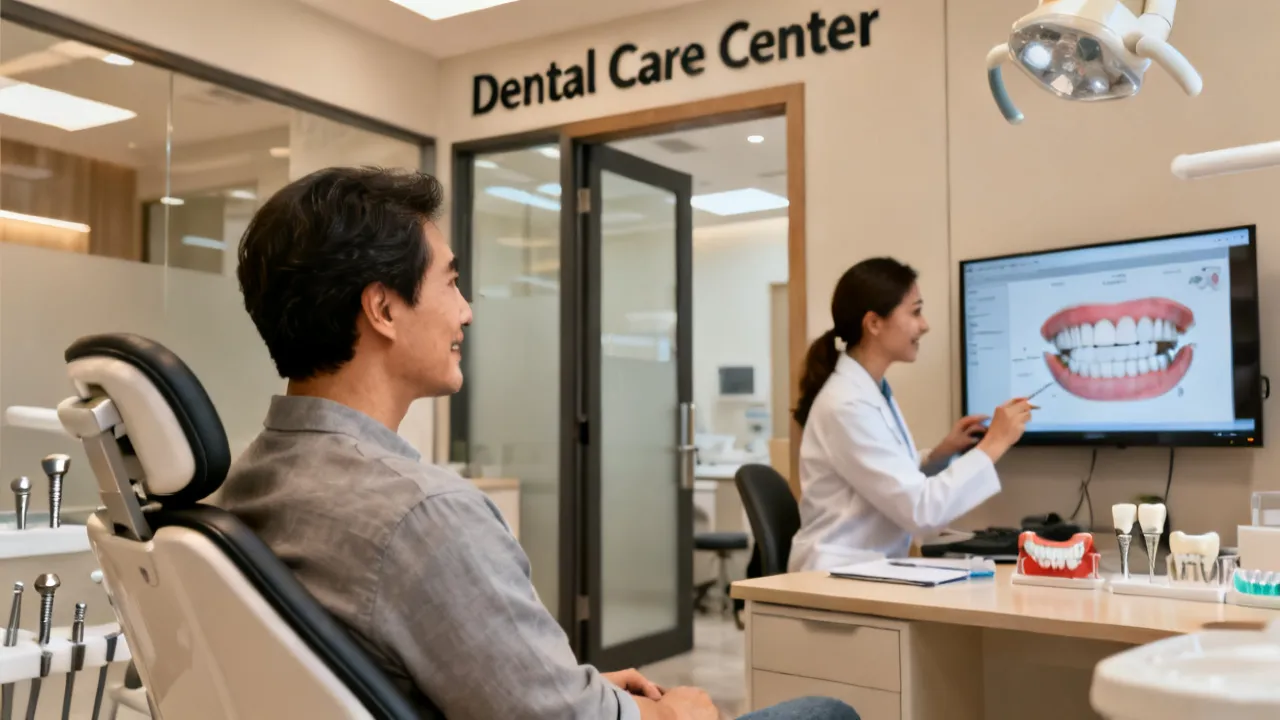
Orthodontist for Adults Near Me: Trusted Treatment Options
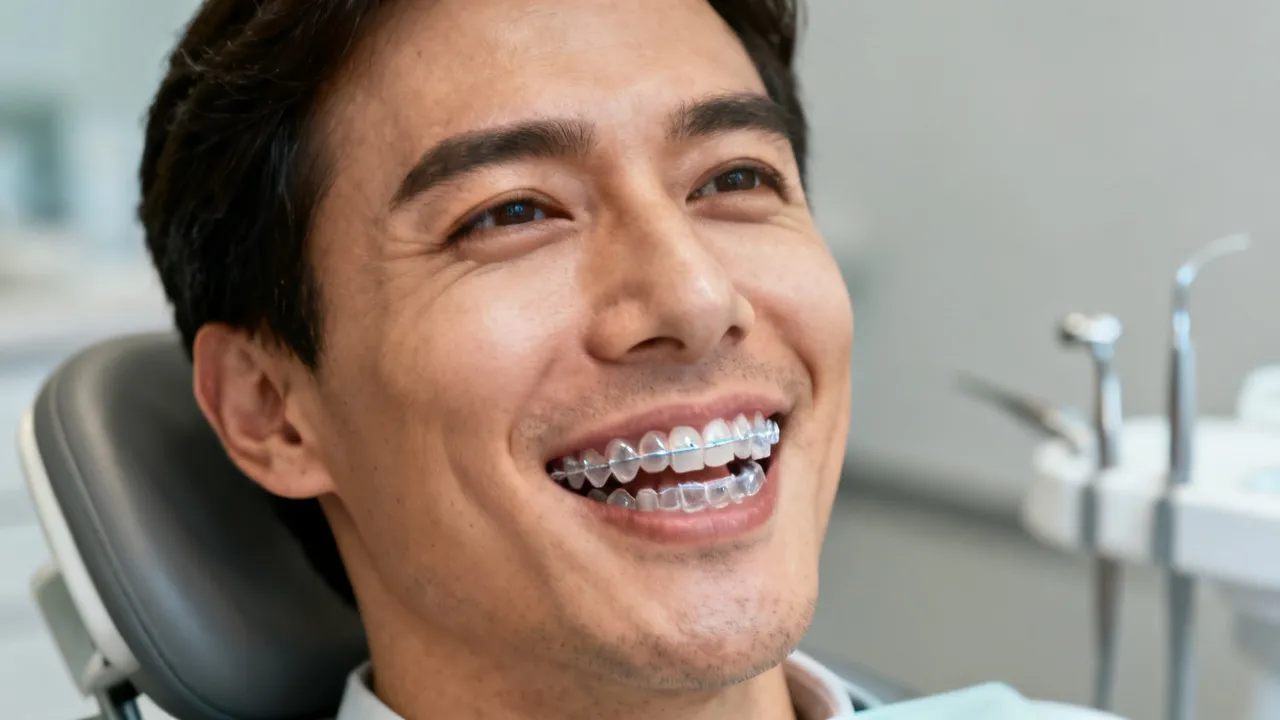
How to Choose an Orthodontist for Adults Nearby
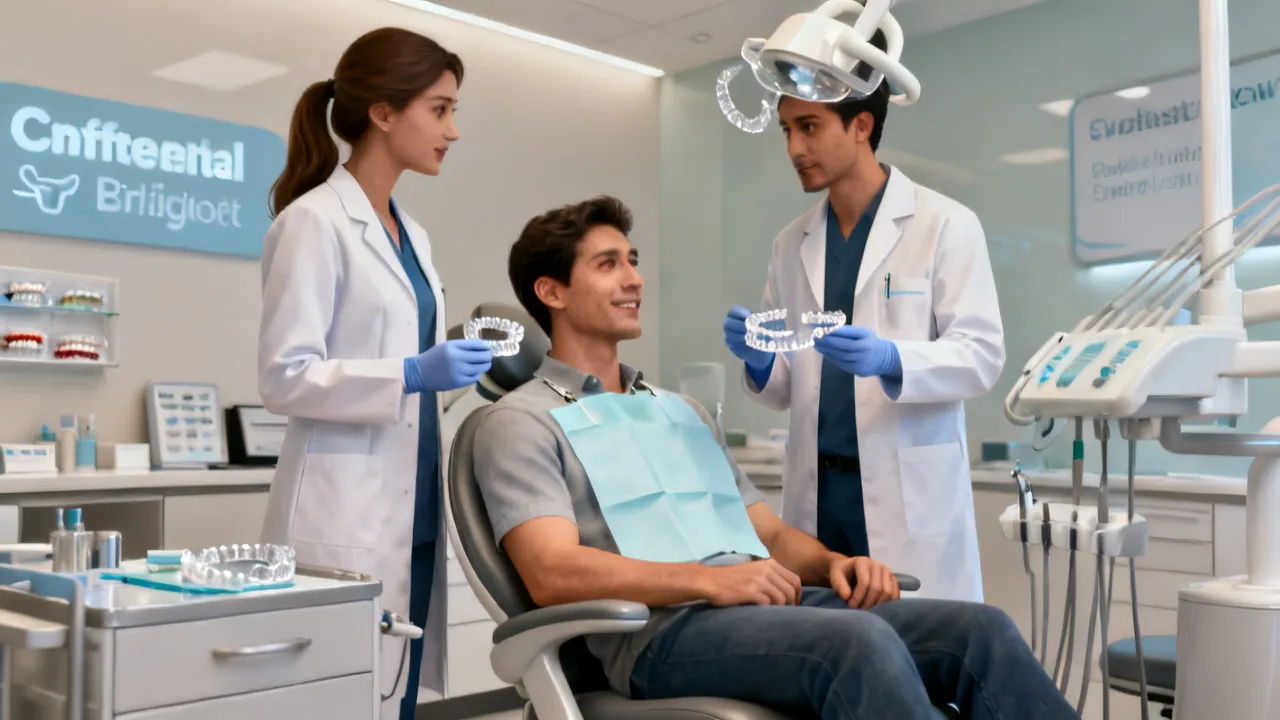
Orthosmile Hounslow Guide to Dental Implants
This guide explains what patients should expect from Orthosmile Hounslow when considering dental implants and related orthodontic care. It provides an expert, evidence-informed overview of low-cost implant pathways, cost drivers, and planning steps. You’ll also find cost ranges across multiple countries, plus a structured comparison of online resources and practical FAQ answers.
Orthosmile Hounslow: A Professional Guide to Care
This guide explains what Orthosmile Hounslow represents within local dental care, and how English-, Spanish-, and Portuguese-speaking countries approach low-cost dental implants. It compares key information sources, outlines a step-by-step pathway for reducing implant costs responsibly, and provides region-based implant price ranges for planning and discussion with qualified clinicians.
Orthosmile Hounslow Guide to Dental Implants and Care
This guide reviews Orthosmile Hounslow and how dental implant planning typically works in nearby communities. It covers candidacy, clinical steps, cost considerations across English-, Spanish-, and Portuguese-speaking countries, and a practical method to pursue low-cost options responsibly. Expert-style FAQs explain materials, timelines, risks, and what to ask during consultation.
Orthosmile Hounslow: Dental Implants and Care Guide
This guide explains what to expect from Orthosmile Hounslow when considering dental implants, including clinical steps, eligibility considerations, and how “low-cost” options are typically structured in English-, Spanish-, and Portuguese-speaking markets. It also compares trusted online reference sources and provides region-based cost ranges and practical ways to reduce expenses responsibly.
Finding an Adult Orthodontist Nearby for Better Smiles
This guide helps you choose an Orthodontist for Adults Near Me by explaining adult orthodontic needs, evaluation steps, and how to plan for affordability. It also reviews low-cost dental implant information sources, typical implant costs across multiple English-, Spanish-, and Portuguese-speaking countries, and practical next steps based on clinical top practices.
Finding an Adult Orthodontist Nearby with Implant-Aware Care
This guide explains how to choose an Orthodontist for Adults Near Me with implant-aware planning, what “low-cost” dental implants usually means, and how costs commonly vary across countries. It provides objective decision criteria, a practical checklist, and FAQs so you can evaluate treatment options, insurance considerations, and realistic next steps before scheduling.