English

Understanding HIV
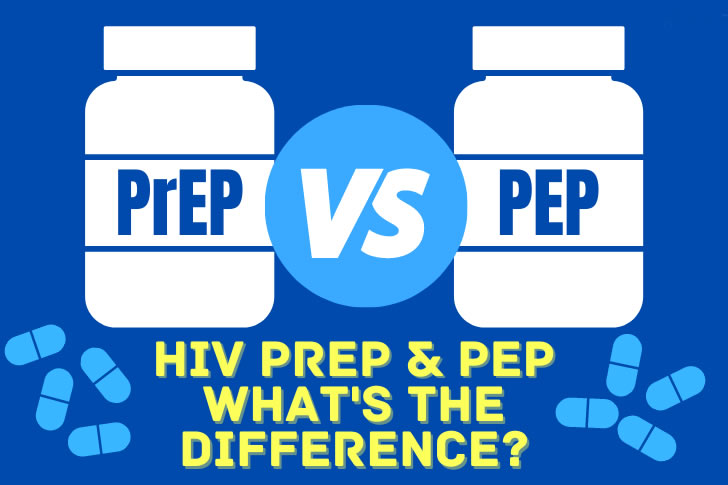
Human Immunodeficiency Virus (HIV) is a virus that attacks the immune system, making it harder for the body to fight infections. Awareness and prevention are key to combating the spread of HIV.
Post-Exposure Prophylaxis (PEP) is a treatment administered after potential exposure to HIV. It must be started within 72 hours of exposure and taken for 28 days to be effective.
PEP is available at emergency departments, sexual health clinics, and some healthcare providers. It’s crucial to seek medical attention immediately after potential exposure.
When taken as prescribed, PEP can significantly reduce the risk of HIV infection. Side effects may include nausea, fatigue, and headaches, but they usually subside after a few days.
Pre-Exposure Prophylaxis (PrEP) is a daily medication taken by HIV-negative individuals to prevent HIV infection. It’s particularly recommended for those at higher risk.
PrEP is over 90% effective when taken consistently. Potential side effects include kidney issues and reduced bone density, but these are rare and typically reversible.
For people who find themselves needing PEP frequently, PrEP might be a better strategy. Discuss options with your healthcare provider to determine the best approach.
If diagnosed with HIV, immediate medical care and starting antiretroviral therapy (ART) are crucialfor maintaining health and reducing the risk of transmission.
Understanding PEP and PrEP, and taking proactive steps can significantly reduce the risk of HIV infection. Use this guide to inform yourself and others about effective prevention and protection strategies.
Stay informed, stay protected.
Dental Orthodontics Near Me: Expert Guide to Options
Finding Dental Orthodontics Near Me: Expert Guide
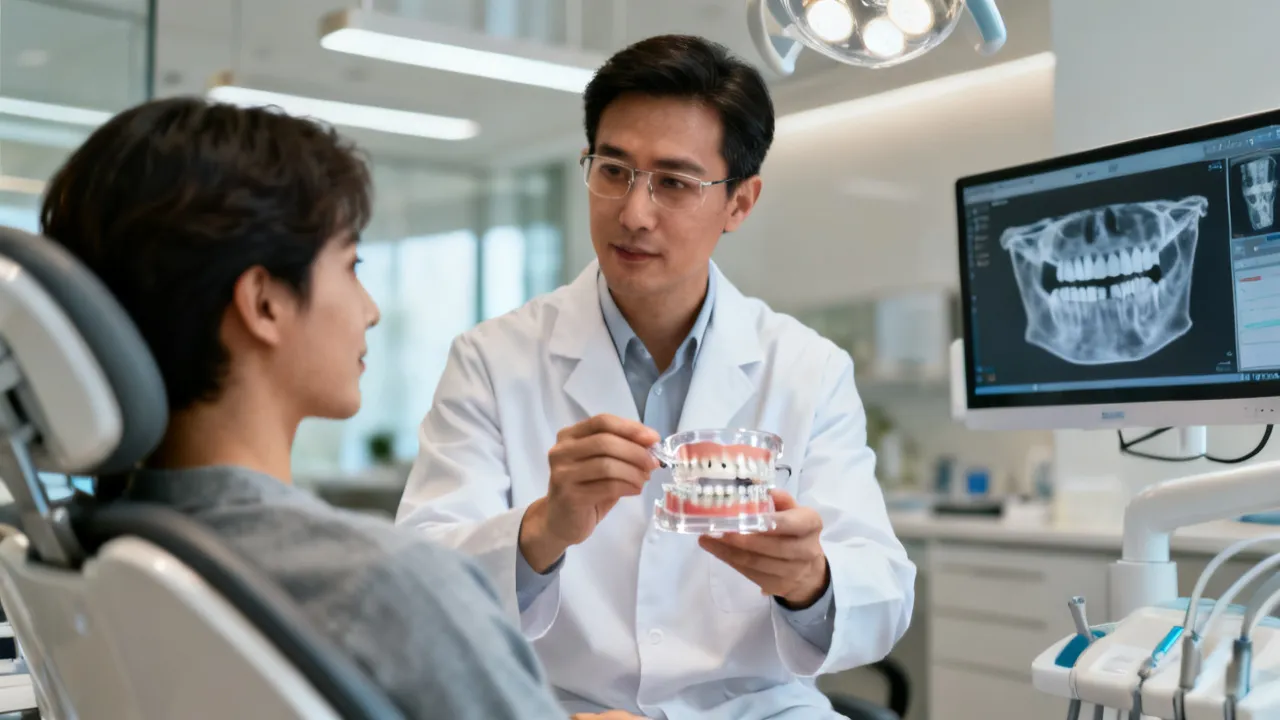
Dental Orthodontics Near Me: Expert Guide & Costs
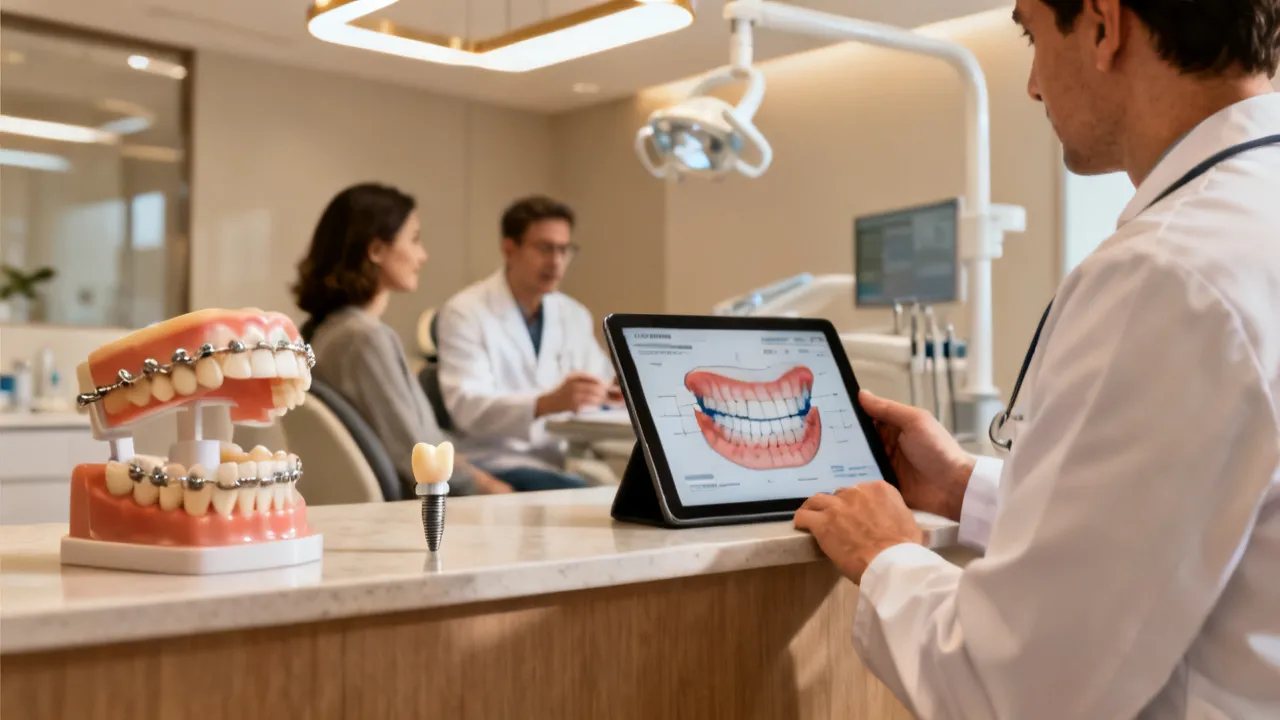
Dental Orthodontics Near Me: Expert Guide to Options

Choosing Dental Orthodontics Nearby for Confident Smiles
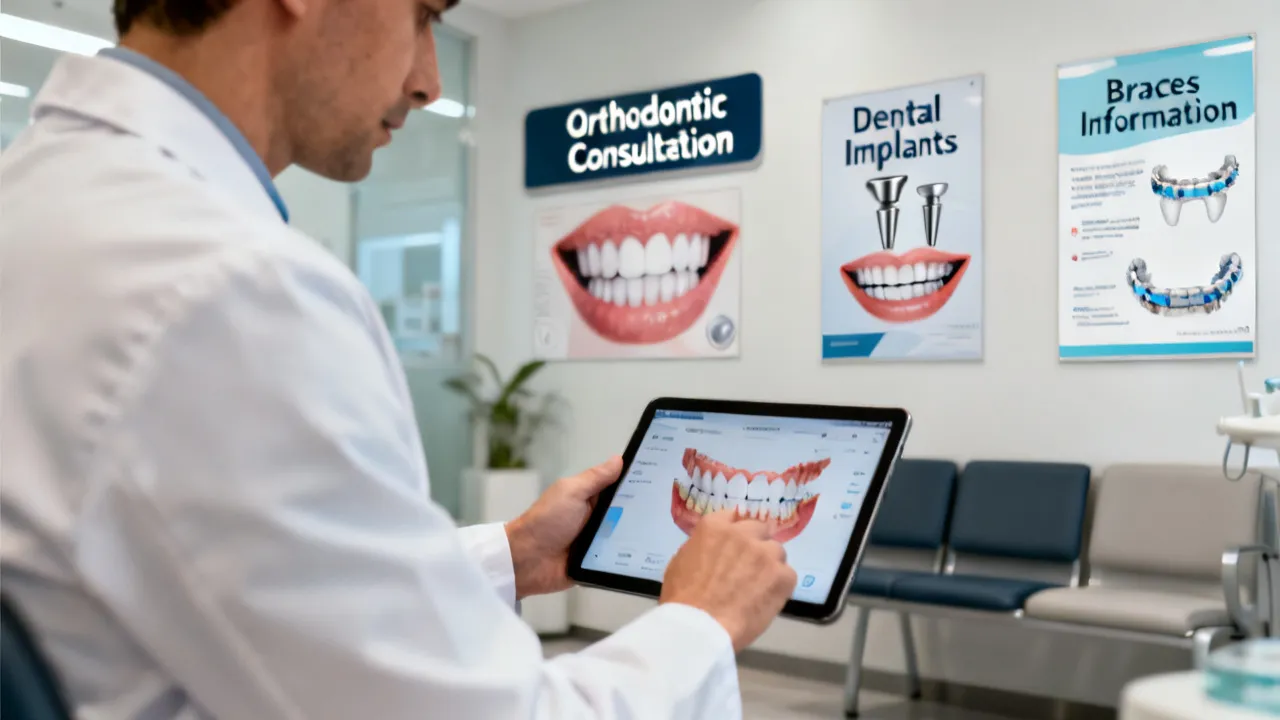
Dental Orthodontics Near Me: Implants, Costs, and Options
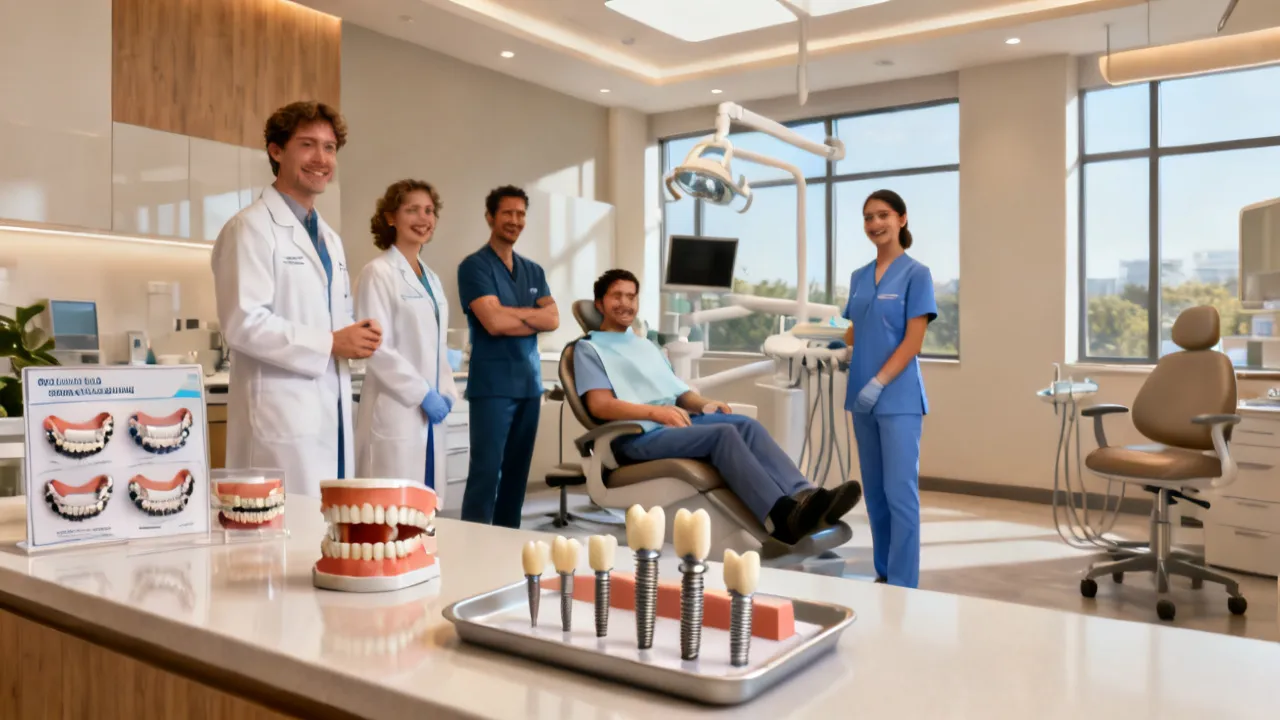
Dental Orthodontics Near Me: Expert Guide to Choosing
Dental Orthodontics Near Me: Expert Guide to Choosing
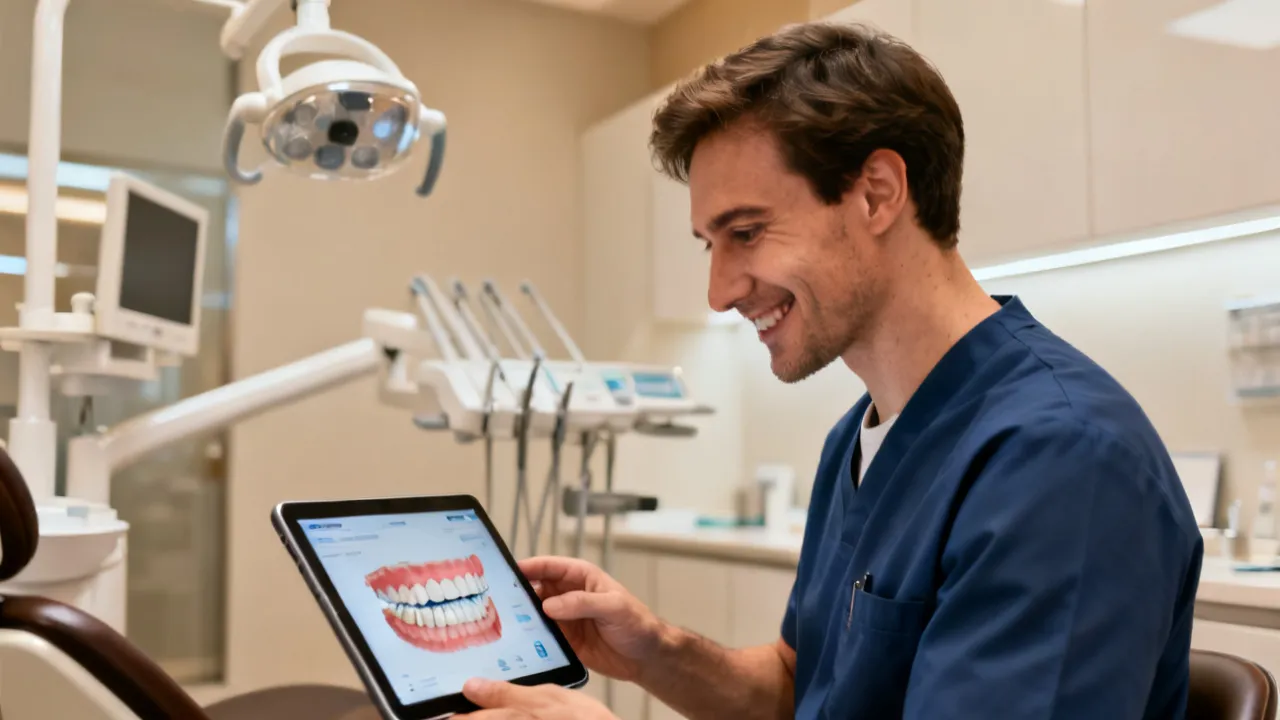
Dental Orthodontics Near Me: Smart Implant and Care Choices
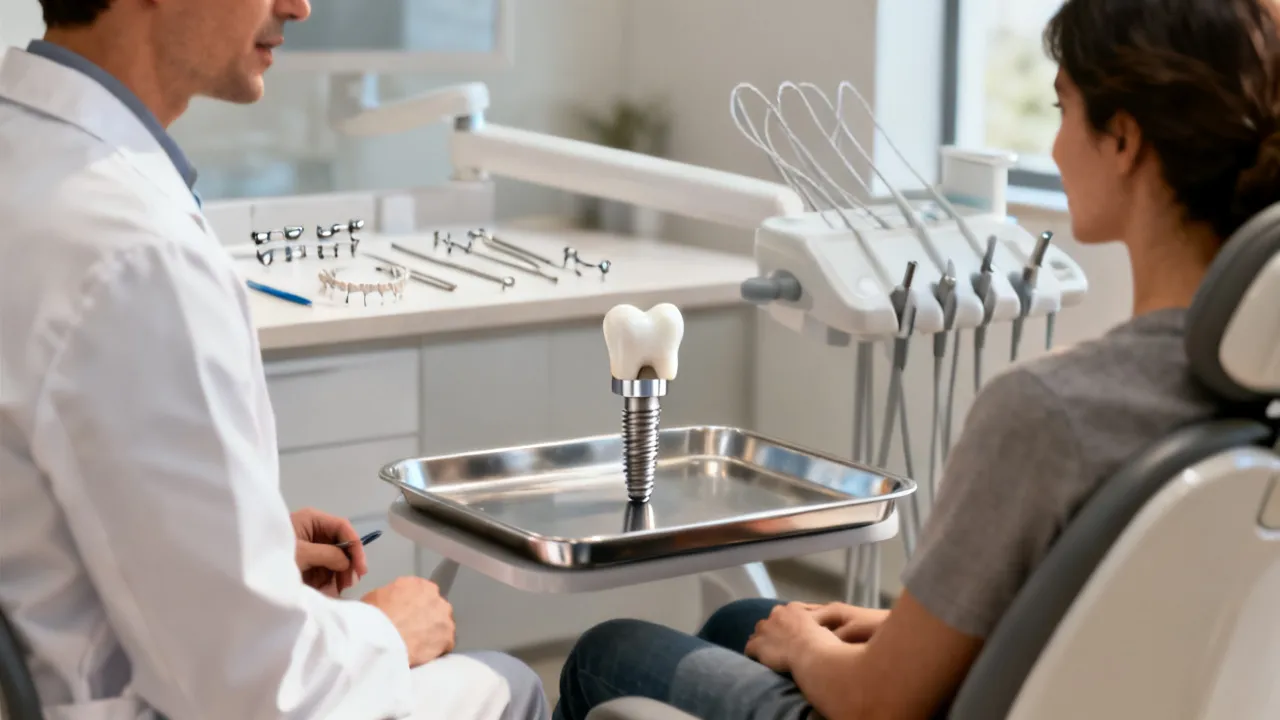
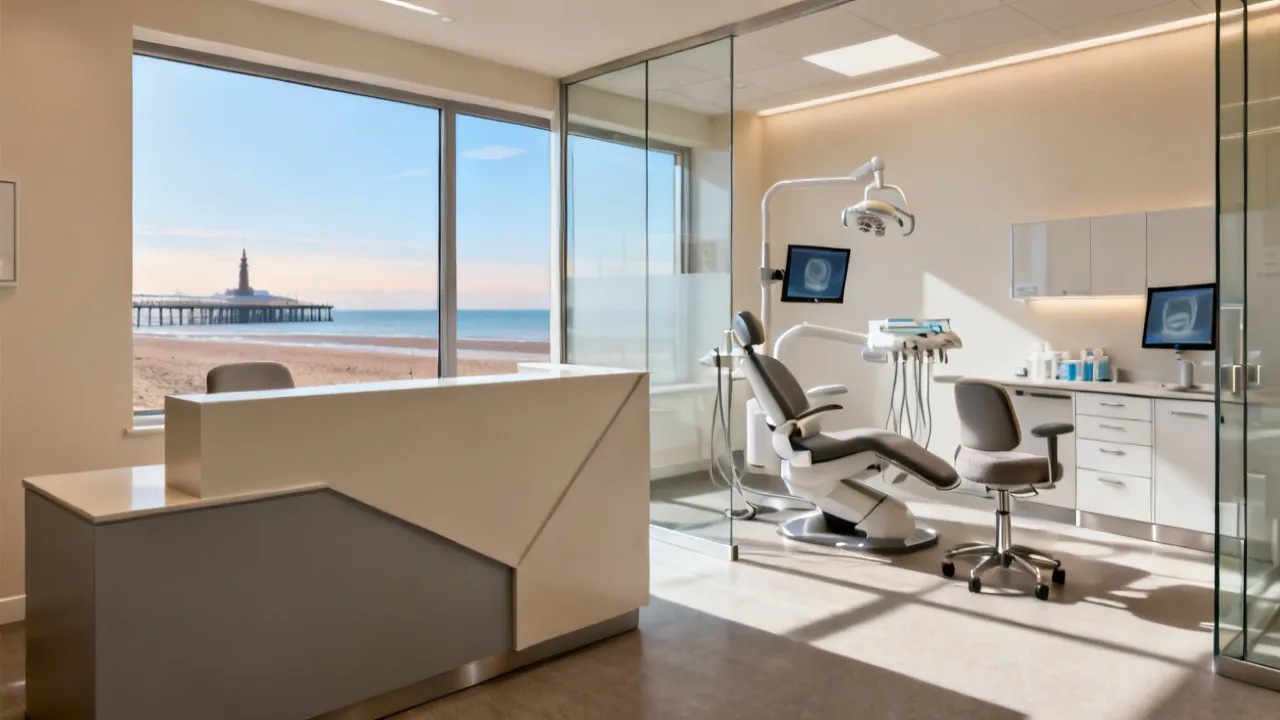
Orthoworld Blackpool: Expert Guide to Choosing Treatments
This guide explains what to expect when considering Orthoworld Blackpool for orthodontic care, from initial assessment through treatment planning. Objectively, “Orthoworld Blackpool” refers to a local orthodontic practice associated with the Blackpool area. The page outlines how clinics typically evaluate suitability, discuss appliances, and set timelines based on clinical need rather than generic promises.
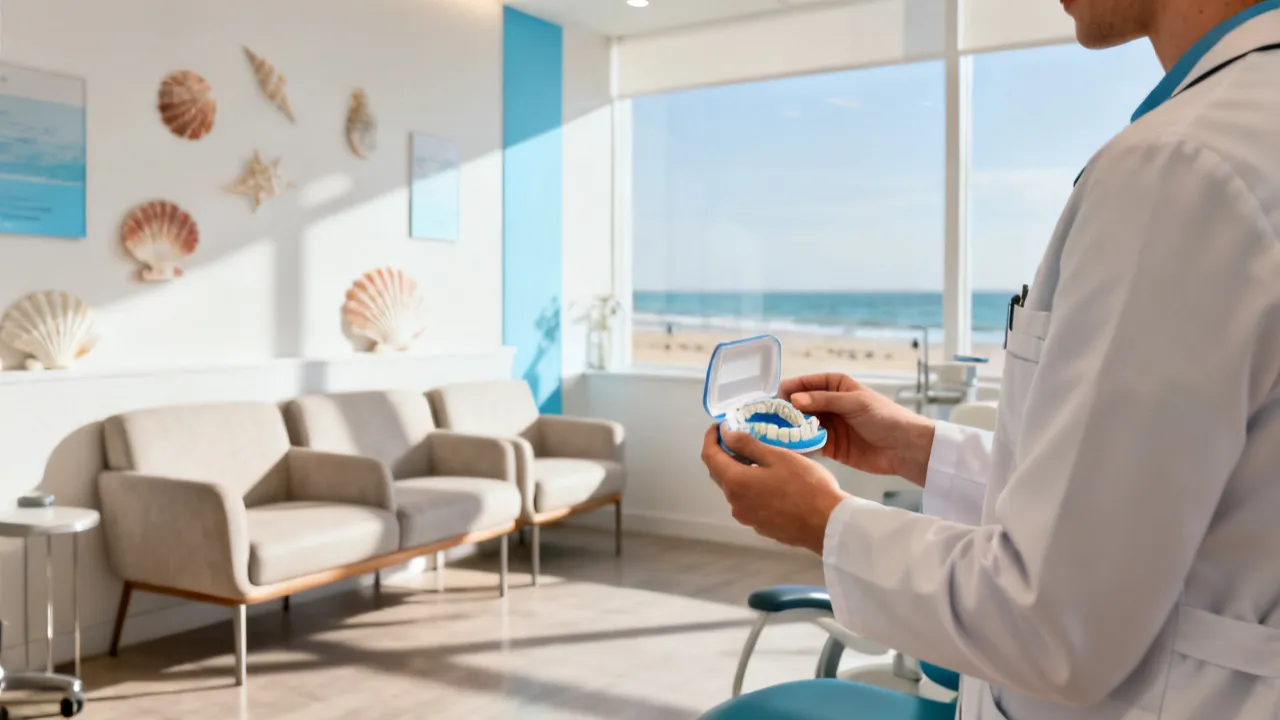
Orthoworld Blackpool: Expert Guide to Orthodontic Choices
Orthoworld Blackpool guide readers through orthodontic options by explaining how clinical decisions are made, what to expect during assessment, and how to compare treatments objectively. Background information clarifies what “Orthoworld Blackpool” represents in local care, why alignment and oral health planning matter, and how practitioners structure treatment pathways for different needs.
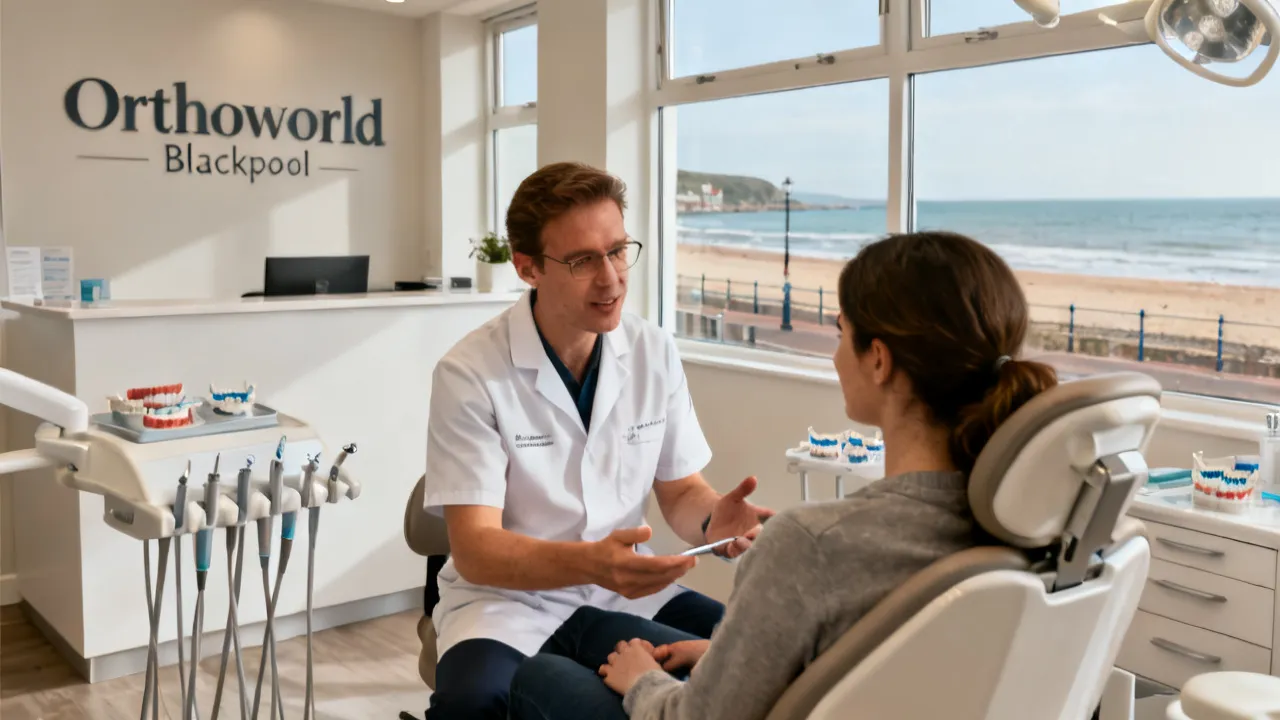
Orthoworld Blackpool: Expert Guide to Orthodontic Options
Orthoworld Blackpool offers structured orthodontic support designed around comfort, clinical assessment, and clear treatment planning. This guide explains what orthodontic services typically include, how clinics evaluate alignment concerns, and why choosing a provider like Orthoworld Blackpool matters for good outcomes—particularly for patients in and around Blackpool who want locally attentive care.
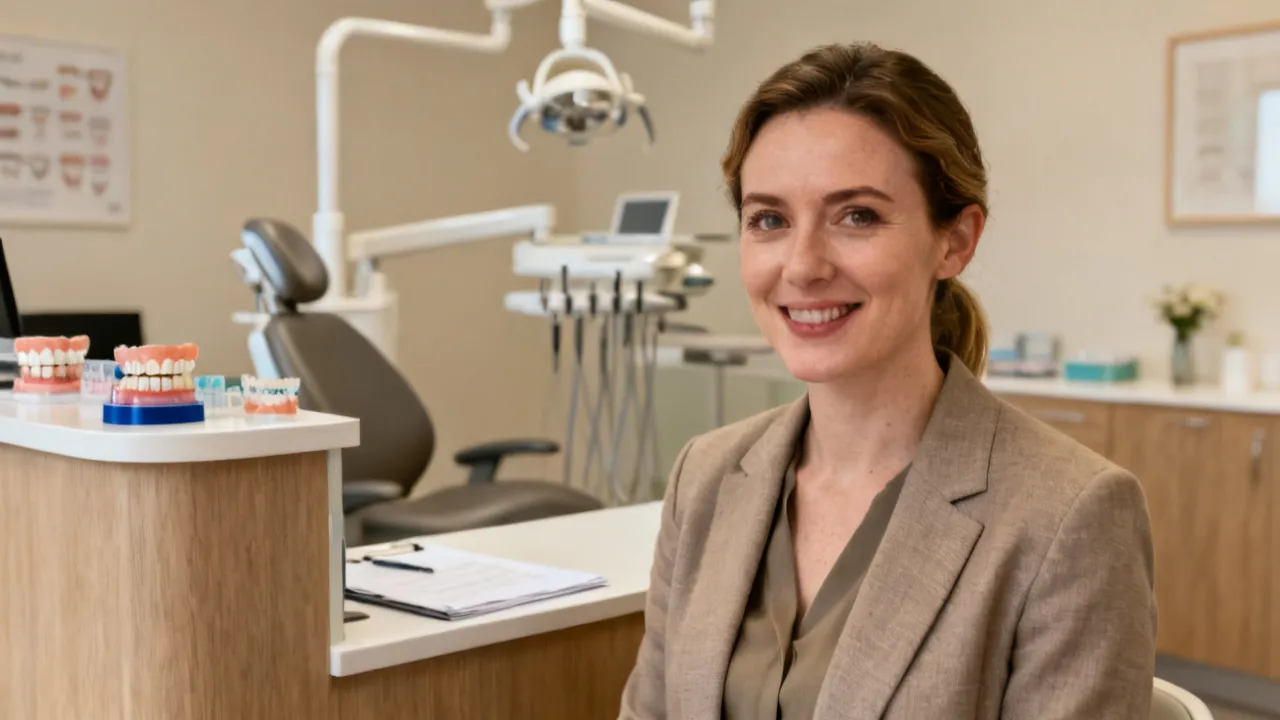
Orthoworld Blackpool: Clear Aligners Expert Guide
This guide explains what Orthoworld Blackpool offers and how to assess clear aligner and orthodontic options with a clinician-led approach. Background information is provided objectively on what “Orthoworld Blackpool” typically represents in local care, why patient fit and records matter, and how treatment planning aligns with evidence-based orthodontic standards.
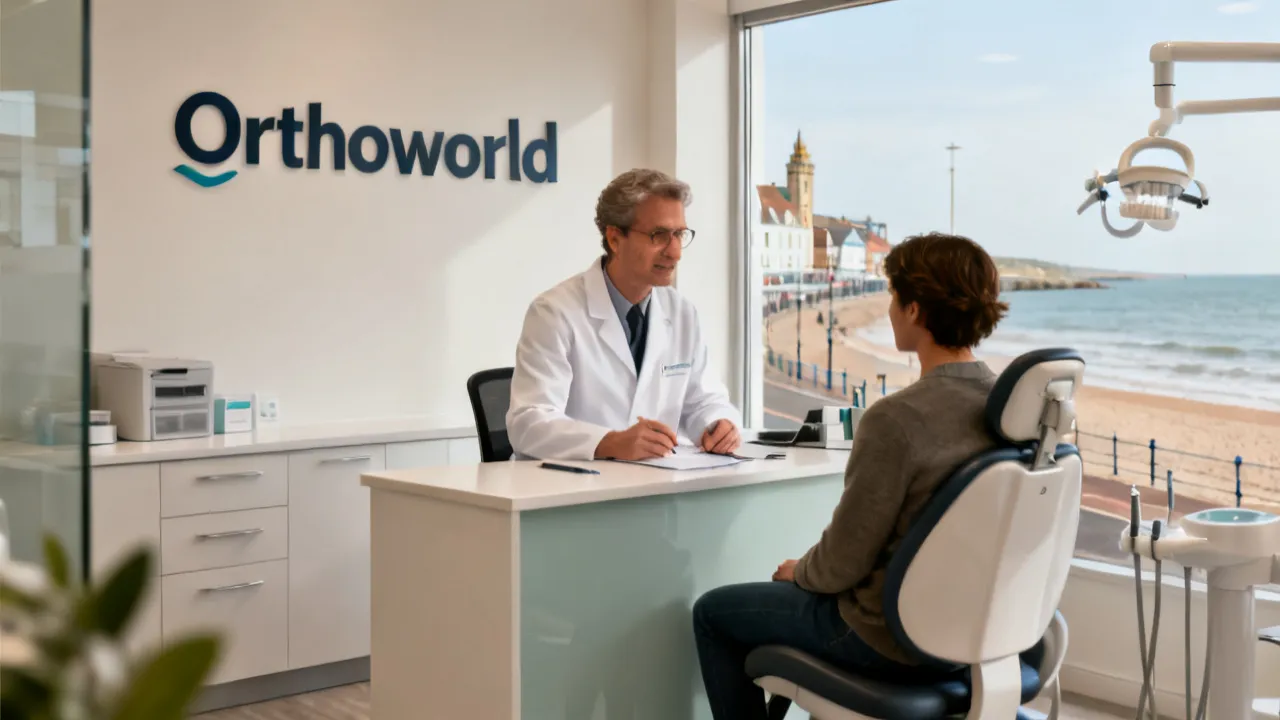
Orthoworld Blackpool: Expert Orthodontic Care Guide
This guide explains how Orthoworld Blackpool approaches orthodontic assessment, treatment planning, and case management. It provides objective background on common orthodontic pathways and how location-specific service considerations can shape scheduling and follow-up. The aim is to help patients understand what to expect, what to ask, and how to compare care quality responsibly—without relying on marketing claims.
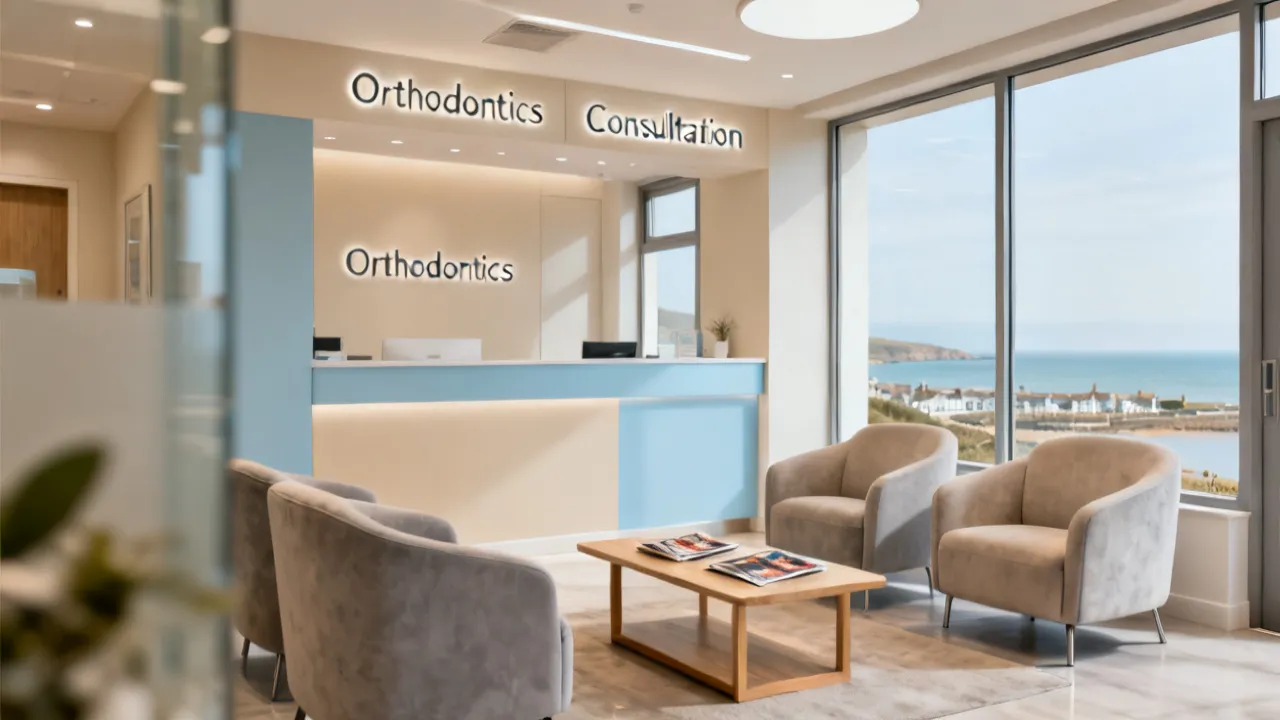
Orthoworld Blackpool: Expert Guide to Orthodontic Options
This guide explains how Orthoworld Blackpool supports orthodontic planning, from initial assessment through ongoing care. It provides objective background on orthodontic services, treatment pathways, and decision factors relevant to patients in the nearby Blackpool area, focusing on practical considerations such as assessment quality, appliance suitability, and continuity of care.