English

Digital Dentistry in Orthodontics is transforming how alignment plans are created, tracked, and adjusted using imaging and workflow software. This guide explains how digital planning affects clinical outcomes, what “low-cost” dental implant strategies look like across English-, Spanish-, and Portuguese-speaking markets, and how patients can evaluate affordability without sacrificing safety.
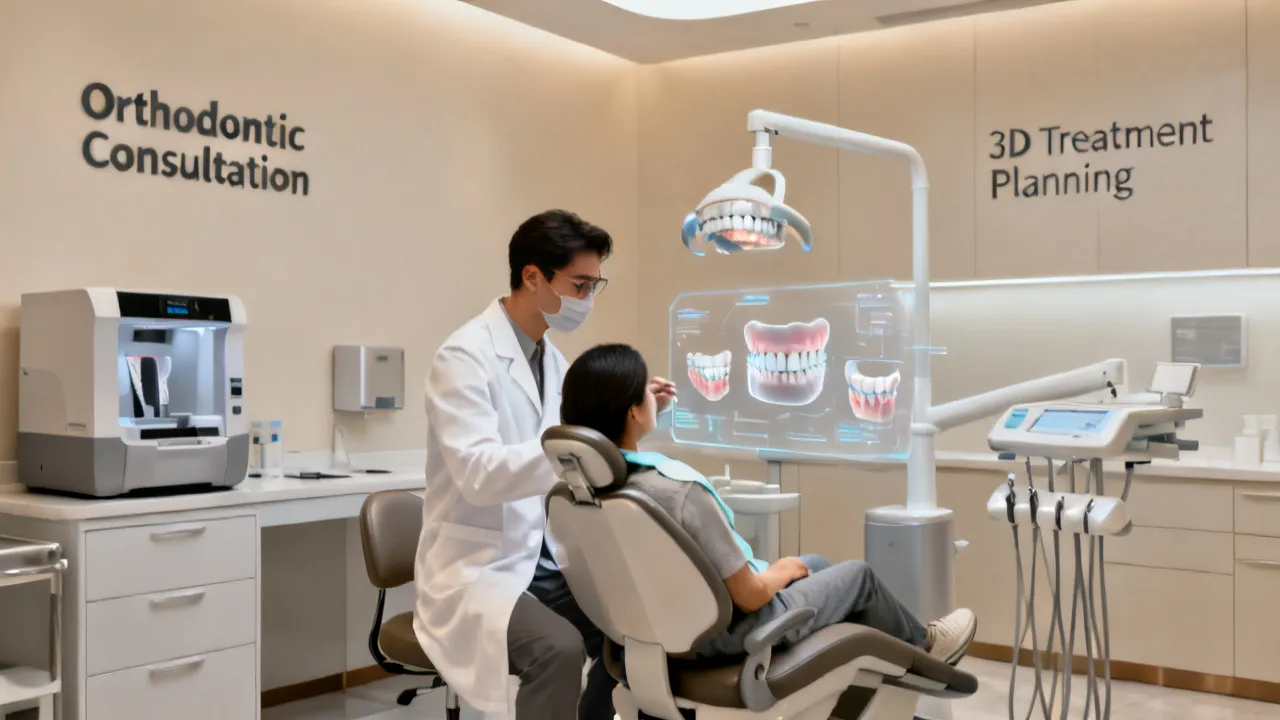
Digital Dentistry in Orthodontics is reshaping diagnosis, treatment planning, and follow-up care by turning complex orthodontic decisions into measurable, reviewable workflows. From intraoral scans and CBCT-linked models to virtual setups and staged aligner or bracket plans, digital methods can reduce guesswork and improve coordination between orthodontists, labs, and patients. At the same time, patients searching for cost-effective care often ask how affordability decisions—especially around dental implants used for orthodontic or restorative support—can be approached responsibly.
In this guide, you’ll find an objective overview of what digital orthodontic workflows do well, the practical steps used by clinics and dental tourism and insurance ecosystems in English-, Spanish-, and Portuguese-speaking countries, and a reference framework for low-cost dental implant pricing.
Orthodontics has long relied on accurate records—photos, impressions, radiographs, and measurements—to plan tooth movement and stabilization. The classic workflow often involved physical impressions made with tray materials, plaster models sent to labs, and hand-measured records that could be subject to variability. “Digital dentistry” refers to the conversion of these records into digital formats that can be manipulated, simulated, and reviewed by clinicians, technicians, and sometimes patients. In practice, this typically includes:
From an industry perspective, the value of Digital Dentistry in Orthodontics is not simply “technology for technology’s sake.” The very credible benefits typically come from:
Important nuance: digital tools do not replace clinical judgment. Appropriate case selection, imaging appropriateness, and orthodontic mechanics still determine outcomes. In other words, digital workflows improve documentation and planning clarity; they cannot guarantee results without proper diagnosis and follow-up.
To understand why digital workflows can improve outcomes, it helps to break down orthodontic planning into its components. Outcomes are affected by diagnosis accuracy (what is the problem?), treatment mechanics (how will forces move teeth?), and adherence/maintenance (will the teeth behave like the plan?). In traditional workflows, records and measurements are used to create a plan, but the plan can sometimes be harder to “audit” after changes are made—meaning it’s difficult to confirm whether the final mechanics match the original intended outcome. Digital systems make it easier to store, review, and reproduce planning decisions.
For affordability, the same idea matters. If a clinic can reduce rework—such as remaking appliances due to model errors, miscommunications between clinician and lab, or misunderstandings about bite staging—then the clinic may spend less time and resources correcting problems. While technology itself may have a cost, operational efficiency can sometimes offset it, and patients benefit from smoother treatment steps.
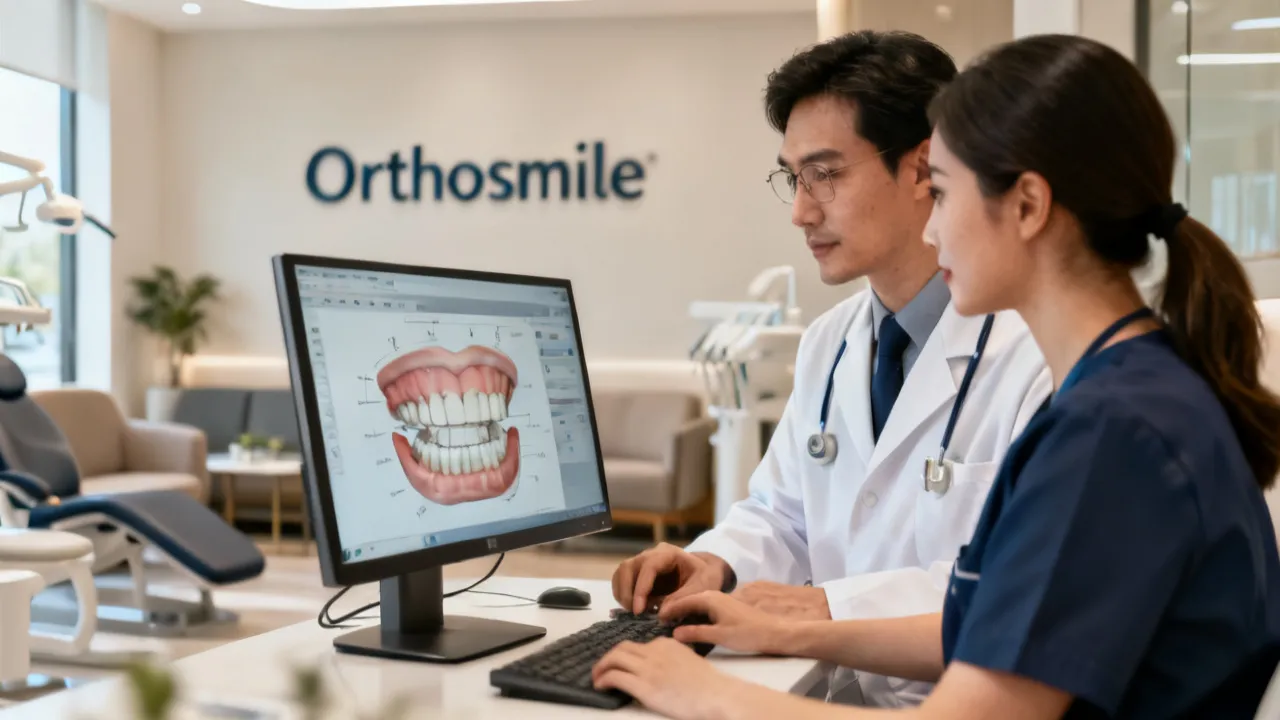
Intraoral scanning is one of the most visible digital technologies. Patients often prefer it because it replaces traditional alginate or similar impression materials. From a clinical standpoint, the scanner captures the geometry of teeth and gingival contours in a digital mesh. This mesh then feeds into measurement and fabrication processes, such as aligner design or orthodontic retainers.
However, scanning is not “automatically perfect.” Outcomes depend on scan quality, especially for margins, interproximal areas, and bite records. Common issues that can affect results include:
Because affordability matters, the key point is that clinics should treat scan quality as a clinical step, not a purely technical one. A well-trained team can rescan quickly, preventing downstream errors. In contrast, a low-cost provider that repeatedly uses suboptimal scans may create future expenses when aligners or appliances do not fit correctly.
Digital models allow orthodontists to measure tooth dimensions, arch widths, overjet/overbite measurements, and discrepancies. They also enable virtual evaluation of contact points and occlusal relationships. In many digital workflows, measurements are supported by software tools that can automatically detect landmarks and suggest analysis.
Even though software can be helpful, orthodontists must verify that landmarks are placed correctly and that measurement assumptions are clinically meaningful. For example, the software might estimate tooth boundaries differently depending on lighting or scan resolution. Clinics that establish standardized scan protocols and verification steps tend to have fewer errors.
From an outcomes perspective, repeatable accuracy can be especially important in:
From an affordability perspective, digital models can help clinics plan fewer “trial-and-error” modifications. When the original model is accurate and the plan is clear, fewer corrections might be required. That can reduce total treatment cost—though not always, depending on how pricing is structured.
Virtual setups are digital representations of how teeth are expected to look after treatment, often staged to show progression. They can include occlusal adjustments and sometimes predicted changes over time.
The strongest clinical value of virtual setups is communication. Patients can see a visual representation of the end goal and—depending on the system—how teeth will move. This matters for consent because orthodontics requires commitment: wearing aligners as prescribed, attending appointments, and following retainer instructions.
Virtual setups can also support internal team coordination. Lab technicians can use the setup for appliance fabrication. Orthodontists can review whether the mechanics match their clinical objectives, such as maintaining incisor torque, aligning functional cusps, or avoiding unwanted tooth movement.
However, affordability can be affected by how the clinic chooses to use simulations. In some clinics, a more detailed digital simulation may reduce the need for later adjustments. In others, a simpler setup might reduce upfront costs but increase the chance of refinements later. Patients should ask:
CBCT (Cone Beam Computed Tomography) can produce 3D imaging of bone and tooth roots. In orthodontics, CBCT may be used for impacted teeth, complex root proximity questions, severe skeletal discrepancies, or evaluation of roots near planned movements or in patients with prior trauma.
Because CBCT adds cost, not every patient needs it. Responsible clinics justify CBCT based on clinical necessity. Responsible affordability means paying for the right imaging—not paying for everything by default.
A helpful rule for patients is to ask for a clinical rationale: “What question does CBCT answer in my case?” For implant coordination in particular, CBCT can be valuable because implant success depends on bone quantity, root proximity, and safe implant trajectories.
Orthodontics and dental implant planning intersect frequently in modern practice, particularly when orthodontics is used to manage missing teeth, prepare sites for prosthetic replacement, or coordinate with restorative dentistry. Implant-related planning can be crucial for:
In practice, implants are often considered when orthodontic treatment alone cannot produce a stable functional and aesthetic result (e.g., a missing tooth that cannot be closed without compromising bite or facial aesthetics). For patients, this can create a “two-stage decision”: first, how will orthodontics set up the site; second, how will the implant be placed and restored.
When patients seek “low-cost” implant options, it’s essential to distinguish between (a) affordability strategies that remain clinically sound and (b) approaches that cut corners on assessment, surgical planning, or post-operative care. Reliable outcomes depend on proper imaging, infection control, implant selection, and structured maintenance.
Another important nuance is that “orthodontic-affiliated implants” can mean different things. Sometimes orthodontics is used before implant placement to ensure space and align adjacent teeth. Sometimes orthodontics and implants are coordinated concurrently (rare, but possible depending on case). Sometimes orthodontics happens after implants to refine bite and ensure occlusal harmony. The timing changes what records and imaging are required.
Even if an orthodontist is not the surgeon, orthodontists influence implant outcomes by shaping how the space and occlusion develop. Questions that often require orthodontist-surgeon-prosthodontist coordination include:
Digital dentistry can assist here. If the clinic uses digital records and shares them appropriately, the restorative plan can inform orthodontic mechanics. This reduces the risk of “moving teeth into a position that makes implant restoration harder later.”
Patients often focus on the cost of the implant surgery itself. Yet the true affordability experience includes everything around that implant:
When clinics advertise “low-cost implants,” the clinic may be quoting only part of the total. Patients seeking affordability should aim to understand the total pathway: what’s included, what’s excluded, and what the typical schedule looks like.
Digital dentistry supports implant–orthodontic coordination through better records and simulation. For example, clinics may integrate digital scans with restorative planning to guide space allocation and prosthetic-driven alignment. However, implant outcomes depend on biologic factors—bone quality, periodontal health, and systemic considerations—so digital planning must be paired with thorough clinical evaluation.
For credibility and risk management, clinics using digital workflows typically emphasize:
“Safer coordination” also means that multiple providers agree on a shared plan and share records. Digital workflows help because they can allow file transfer and standardized documentation. But the file transfer must be responsible and secure, and providers must be able to interpret each other’s plans. A digital file that is not correctly mapped or understood can lead to mistakes.
Affordability is sometimes improved when coordination reduces delays. For example, if a clinic aligns teeth in a digital workflow and then shares a restorative setup with a surgeon, the surgery can proceed based on a clear plan rather than starting over with new records. That can reduce total timeline cost and reduce the “repeat imaging” effect.
Dental implant success is strongly linked to infection control and surgical hygiene. Digital planning itself does not prevent infection, but it can contribute to surgical preparedness. For example, if a clinic uses surgical guides and standard workflows, the team can reduce unexpected intraoperative adjustments. Those adjustments can sometimes lengthen chair time and create opportunities for procedural variability.
That said, patients should not confuse “digital planning” with “safer surgery” automatically. The core determinants remain clinical: sterile technique, appropriate antibiotics when indicated, atraumatic placement, and post-surgical monitoring.
Implants can fail or develop complications over time, and the risk can increase with poor maintenance, smoking, diabetes not well controlled, and inadequate oral hygiene. Orthodontic appliances can also change hygiene patterns. Patients might brush less effectively around brackets or aligner attachments, and they may need special guidance.
Digital orthodontic workflows can support maintenance planning by tracking appliance wear schedules and providing clearer instructions. For example, aligner systems may offer wear-time reminders. Clinics can also track appointments and document hygiene education.
Patients seeking affordability should budget for maintenance. If the upfront cost is low but follow-up is expensive or not included, total cost may rise later. Ask clinics whether follow-up maintenance is included in the package or billed separately.
Coordination across specialties works best when documentation is standardized. Digital records can include measurements, arch geometry, and sometimes planned tooth movements. If an implant is expected, orthodontic planning can incorporate the anticipated crown position and occlusal scheme.
For example, if the final implant crown requires adequate space buccolingually and in vertical height, orthodontic movement may need to create that space and manage the gingival margin position. Digital models make it easier to visualize the final crown position relative to adjacent teeth.
Affordability can be protected when documentation reduces “replanning.” If a surgeon receives accurate records and understands the planned position, fewer repeat exams may be needed.
Below is a comparison of several online resources that patients often consult when evaluating lower-cost dental implant pathways. The goal is information discovery—not a recommendation for any single provider.
| Website focus | What readers typically find |
|---|---|
| DentalViews (low-cost dental implants) | General implant education, benefits/risks overview, types of implant-related treatments, and cost discussion framed around affordability |
| Atlantic Dental Group | Clinic-based service information across general and specialty dentistry, including orthodontics/implants, plus scheduling and patient access details |
| DentaVacation (dental tourism) | Comparisons of costs across countries and guidance on travel + treatment planning for patients pursuing lower overall expenses |
| American Dental Health Plans (ADHP) via partner clinic page | Insurance-oriented framing to help patients reduce out-of-pocket expense through coverage options |
source: [www.dentalviews.com](https://dentalviews.com/low-cost-dental-implants/) ; [www.atlanticdentalgrp.com](https://www.atlanticdentalgrp.com/) ; [www.dentavacation.com](https://www.dentavacation.com/) ; [rockvilledentalarts.com/es/](https://rockvilledentalarts.com/es/)
Note: This table reflects the general content themes described in the provided reference material, not the clinical quality of any individual clinic or insurance administrator.
Online resources can help patients become more informed, but there are pitfalls. Some pages emphasize cost and may not clearly state what is included in the quoted price. Other pages might list providers but not describe the quality controls, sterilization protocols, or follow-up structures.
To use these resources responsibly, patients can:
Digital literacy is increasingly part of affordability. A patient who can interpret what a quote includes may prevent costly rework.
“Low-cost” can mean different things—insurance coverage, financing, clinic-specific pricing, treatment bundling, or cross-border dental tourism. The safest way to pursue affordability is to follow a structured process that preserves clinical essentials.
Below is a practical step-by-step process. You can use it in any country or language region, but it’s written with the reality that patients often navigate different information styles and healthcare ecosystems across English-, Spanish-, and Portuguese-speaking markets.
From a cost perspective, delaying an implant can reduce complexity in some cases, but it may introduce other costs (like temporary prosthetics). The affordability question becomes: “What is the total cost and timeline if we wait vs if we do it now?” Digital planning helps here because it can clarify whether space and occlusion will be ready on schedule.
Many “low-cost” implant offers begin with surgery and minimal diagnostics. The responsible patient should insist on diagnostics that prevent avoidable complications. For example, implant placement into poor-quality bone, or near roots without proper mapping, can increase risk. While additional imaging may increase immediate costs, it may reduce the likelihood of revision surgery.
This step is the most powerful affordability lever because it forces transparency. A patient can’t compare value if one provider includes the crown and abutment while another provides only the implant fixture. The phrase “implant cost” should be clarified: does it mean the fixture only, or the full restoration package?
Patients can also request details about:
English-speaking countries: patients often explore a mix of lower-priced implant pathways, clinic service menus, and dental tourism frameworks. Some also consult insurance guidance to reduce out-of-pocket burden, for example through dental insurance plan resources.
Spanish-speaking countries: patients frequently use Spanish-language clinic pages for clarity on services like implants and orthodontics, and they may compare care across providers using Spanish content and education pages from insurers and clinics.
Portuguese-speaking countries: patients often evaluate regional clinic options that publicize orthodontics, aesthetic dentistry, and implants, as well as dental plan structures that provide network access and emergency coverage.
In practice, affordability levers vary not just by language but by financing culture, insurance rules, and national healthcare structures. A patient may have to navigate different documentation requirements for coverage or for pre-approval.
Continuity of care is a hidden cost driver. If follow-ups are delayed, complications can increase and lead to additional procedures. Patients considering low-cost options should ask who they will see at each stage and how quickly they can access care if something is not right.
Dental tourism can reduce cost for some patients. But implants are not purely “one-time procedures.” A successful outcome often depends on follow-up for healing, monitoring, and long-term maintenance. If you travel, you should have a plan for:
Affordability can be distorted by insurance misunderstanding. Some plans cover consults and imaging but not implants. Others cover parts of the restoration but require waiting periods. It’s important to ask for written confirmation or a detailed explanation of what is covered.
Dental implants are not a one-time expense. The “low-cost” goal should include realistic budgeting for professional maintenance and oral hygiene support. This is especially important when orthodontic appliances are present, as hygiene protocols may need adjustment.
Maintenance planning should include professional cleanings at appropriate intervals, monitoring of peri-implant health, and reinforcement of hygiene technique. Patients should ask whether follow-up maintenance is included, discounted, or billed separately.
Many affordability failures occur because patients ask about price but not about risk and total scope. Here are practical questions:
Answering these questions early helps patients compare value rather than just price.
Pricing varies widely based on implant type, number of implants, imaging needs, and whether the quoted figure includes the crown/prosthesis. The following ranges are provided as reference only for individual implant estimates by country in language-region groupings.
| Country | Currency | Price range (individual implant) |
|---|---|---|
| United States | USD ($) | $3,000 - $6,000 |
| United Kingdom | GBP (£) | £2,000 - £2,500 |
| Australia | AUD (AU$) | AU$3,500 - AU$6,500 |
| Canada | CAD (CA$) | CA$3,000 - CA$5,500 |
| Spain | EUR (€) | €1,500 - €2,500 |
| Chile | CLP (CLP$) | CLP$800,000 - CLP$1,500,000 |
| Mexico | MXN ($) | $15,000 - $25,000 |
| Colombia | COP (COP$) | $2,000,000 - $4,000,000 |
| Peru | PEN (S/ ) | S/ 3,000 - S/ 6,000 |
| Argentina | ARS ($) | $80,000 - $150,000 |
| Brazil | BRL (R$) | R$3,000 - R$8,000 |
| Portugal | EUR (€) | €1,000 - €2,000 |
Patients often compare a single number across providers. But implant pricing is shaped by factors that can change the total cost dramatically. The following cost drivers are common:
In other words, a lower “implant” price might be lower because it excludes the crown, requires separate visits, or assumes a simplified clinical case. That does not automatically mean it is unsafe—but patients need to confirm what the price includes.
Even though the table provides “individual implant” reference estimates, many patients will not purchase only one implant. In orthodontic contexts, missing teeth might become multiple missing sites after dental wear, periodontal disease, or extraction decisions.
Additionally, orthodontics itself can change implant outcomes. If orthodontic treatment requires longer planning or more appointments to prepare sites, that adds cost. Patients seeking low-cost implants should also ask how orthodontic staging costs interact with implant timing.
Affordability and patient experience often depend on local clinic structures, language accessibility, and whether patients can coordinate restorative and orthodontic goals. The following rephrased examples highlight the kinds of services and information portals referenced for English-, Spanish-, and Portuguese-speaking contexts.
In English-speaking systems, patients may encounter more direct billing itemization and insurance pre-authorization structures. That can be an advantage if patients use it effectively. It can be a disadvantage if patients assume that “insurance-friendly” implies “complete coverage for implants and restorations.”
In Spanish-speaking environments, clinic pages and educational material can strongly shape patient expectations. Patients should still verify details with the clinic. Even when information is accurate, clinic pricing may vary based on clinical findings, additional imaging, and restorative component selection.
In Portuguese-speaking systems, plan networks and coverage rules can be central to affordability. A patient who chooses an out-of-network provider might face higher out-of-pocket costs even if the advertised clinic price looks lower. Patients should ask about network status and whether implants and restorations are covered under the chosen plan.
These examples show how digital access to services and information can influence perceived affordability. Still, patients should validate pricing and clinical details directly with the chosen provider.
Mini dental implants are sometimes promoted as a lower-cost alternative for selected cases. Patients may encounter mini implant concepts particularly when looking for affordability online.
However, mini implants are not automatically suitable for everyone. Factors like occlusal forces, bone dimensions, stability requirements, and the intended restorative design influence whether mini implants are appropriate. In orthodontic contexts, mini implants might be considered when planning space for certain prosthetic outcomes or when traditional implant placement is more complex. But the key is selection and stability.
Affordability should be aligned with clinical appropriateness. If mini implants are suggested, patients should ask:
No. Digital tools improve planning, records, and communication, but clinical outcomes depend on diagnosis, biomechanics, appliance fit, patient compliance, and clinician expertise.
Intraoral scanning (for accurate records), measurement-capable digital models, and virtual treatment setups can be especially useful. The very appropriate use depends on case complexity and clinical judgment.
Not necessarily. The safest comparison is itemized: check what imaging, components (implant, abutment, crown), surgical technique, and follow-up visits are included.
Follow-up logistics can be challenging. Before traveling, confirm who manages post-operative care, how complications are handled, and whether records (implant specifications and restorative plans) will be shared with your home clinician.
Mini implants may reduce cost in selected cases, but they are not automatically appropriate for every patient. Clinicians must evaluate bone quality, occlusal forces, and good stability needs.
Insurance can reduce out-of-pocket costs depending on coverage rules and limits. Patients should ask for details on eligibility, waiting periods (if any), and whether implants and restorative components are covered.
Ask about treatment sequencing (implant-first vs orthodontic-first), how space will be managed, how occlusion will be designed, and whether implant timing will affect orthodontic mechanics or retention planning.
Not directly. Digital orthodontics can improve alignment and space management, which may make restorative options—including implants—more predictable when needed. But it cannot guarantee that implants will never be required, especially if the issue is missing teeth, severe periodontal compromise, or structural limitations.
It depends on the completeness of care and the quality of execution. Digital tools may reduce certain types of rework, but affordability should be assessed by outcomes-supporting factors: scan quality, appropriate imaging decisions, appliance fit checks, clinician supervision, and a clear retainer strategy. A low upfront price without follow-up support may cost more later.
Ask for your diagnostic images and digital records, such as radiographs and any relevant CBCT reports, plus digital models or treatment plans if available. Also ask for any implant specifications and restoration plan documentation so that your future providers have continuity of care.
To make the concepts concrete, consider a few scenarios that patients frequently face when orthodontics overlaps with restorative needs and possible implant planning.
Patient has a missing lateral incisor. Orthodontics is used to align canines and create a space with correct width. Once space is prepared, an implant is placed. In a digital workflow, the orthodontist can:
Affordability impact: if the implant crown position is planned from the start, there may be fewer post-implant adjustments or remakes of restorative components. That can reduce total “hidden costs.”
Outcome impact: correct spacing and occlusion positioning reduce the risk of complications related to crown emergence profile, bite issues, and uneven loading.
Patient has an impacted tooth that might require surgical exposure and orthodontic traction. In some cases, clinicians may consider whether extraction is more appropriate and whether an implant replacement will be needed later. Digital workflows can help by:
Affordability impact: the ability to decide more confidently between pathways may reduce the risk of “do one thing, then reverse course” planning.
Outcome impact: root proximity evaluation can reduce the risk of damaging adjacent teeth or creating unstable outcomes.
A patient finds an offer advertised as a “low-cost implant.” Later they learn the price covers only the implant fixture and not the abutment, crown, or follow-up visits. They also discover that the provider requires additional imaging or that grafting will add cost.
Digital dentistry lessons: a digital workflow can support transparency (itemized steps and planned outcomes), but affordability still depends on scope clarity. Patients should treat “cheap” as a starting point for questions, not a final decision.
Digital dentistry is not only a set of tools; it’s also a set of operational behaviors. Two clinics can both use the same categories of technology (scanners, software, aligner fabrication) but get different results due to process quality. Patients seeking affordability can evaluate process quality by listening for consistency and documentation practices.
Clinics that tend to get better outcomes often have:
In affordability terms, a clinic that has consistent processes may require fewer emergency adjustments and fewer remakes, which often improves total cost-effectiveness for the patient.
Orthodontic treatment is only one chapter in a possible implant pathway. Retention is often where affordability problems emerge. Patients may think orthodontics is “done” when braces or aligners are removed, but long-term stability requires retainers and maintenance. If retainers are not provided, if follow-ups are inconsistent, or if compliance is not supported, tooth relapse can occur.
Relapse can create additional costs later. For example, if an implant is planned after orthodontic space management, relapse might affect the space, occlusion, and restorative design. Digital orthodontic systems can support retention planning through digital tracking, scheduled follow-ups, and clear retainer fabrication. But those supports cost time and planning—clinics may bundle retention into packages or bill separately.
When comparing costs, patients should ask:
This is part of a cost-aware system design. Patients who choose a low orthodontic price but pay heavily for retention and adjustments may end up spending more overall.
To keep affordability decisions responsible, patients can apply a simple framework. Each treatment decision can be evaluated in terms of three domains: diagnosis completeness, execution quality, and follow-up safety.
If a “low-cost” offer weakens any one domain—especially follow-up safety—then the patient’s risk increases. Digital tools can strengthen the diagnosis and execution domains, but follow-up still depends on clinic protocols and system design.
1) The above information comes from online resources, and the data is as of October 2023. 2) Dental implant prices are for reference only and may vary by region, clinic and doctor.
[www.dentalviews.com](https://dentalviews.com/low-cost-dental-implants/)
[www.atlanticdentalgrp.com](https://www.atlanticdentalgrp.com/)
[www.dentavacation.com](https://www.dentavacation.com/)
[rockvilledentalarts.com/es/](https://rockvilledentalarts.com/es/)
Orthosmile Hounslow: Dental Implant and Orthodontic Guide
Orthosmile Hounslow: Dental Implant Cost & Options
Orthosmile Hounslow: Low-Cost Dental Implants Explained
Orthosmile Hounslow Guide to Implants and Orthodontics
Orthosmile Hounslow Guide to Affordable Implant Options
Orthosmile Hounslow: Dental Implants and Care Guide
Orthosmile Hounslow: Dental Implant Cost Guide Nearby
Orthosmile Hounslow: Dental Implants and Care Guide
Orthosmile Hounslow Guide to Dental Implants

Orthosmile Hounslow: Dental Implant and Orthodontic Guide
This expert guide explains what to consider when choosing Orthosmile Hounslow for orthodontic care and dental implant treatment. It reviews how low-cost implant decisions work across English-, Spanish-, and Portuguese-speaking patient pathways, outlines typical cost ranges, and provides a practical step-by-step checklist plus FAQs—so you can plan consultations with clearer expectations.
Orthosmile Hounslow: Dental Implant Cost & Options
This guide explains how Orthosmile Hounslow supports patients comparing dental implant pathways, clinical steps, and realistic cost expectations. It also reviews how English-, Spanish-, and Portuguese-speaking countries approach affordability, including low-cost implant information sources, insurance considerations, and typical pricing bands from October 2023-era online references, with clear requirements and FAQs.
Orthosmile Hounslow: Low-Cost Dental Implants Explained
This guide explains how Orthosmile Hounslow approaches dental implants, especially when budgets are a key constraint. It provides objective context on implant types, assessment steps, and what drives pricing across English-speaking, Spanish-speaking, and Portuguese-speaking regions. You’ll also find practical ways to pursue lower-cost options, cost reference ranges, and FAQs for informed decision-making.
Orthosmile Hounslow Guide to Implants and Orthodontics
This guide explains how Orthosmile Hounslow supports patients considering dental implants and orthodontic care. It also compares how low-cost implant information is presented across English-, Spanish-, and Portuguese-speaking markets, outlines practical steps to pursue affordable options, and offers reference price ranges by country. The focus is objective decision-making, not marketing claims.
Orthosmile Hounslow Guide to Affordable Implant Options
This guide explains how patients evaluate Orthosmile Hounslow for implant-related dental care, with an evidence-led view of affordability, clinical planning, and what to ask during consultations. It also compares online references on low-cost dental implants, details step-by-step routes used across English-, Spanish-, and Portuguese-speaking markets, and provides region-based cost ranges as reference only.
Orthosmile Hounslow: Dental Implants and Care Guide
This guide explains how to evaluate dental implant options with a focus on Orthosmile Hounslow and the practical decision points behind low-cost implant pathways. It reviews clinic services, planning requirements, and cost ranges across English-, Spanish-, and Portuguese-speaking countries, then compares trusted information sources and outlines a step-by-step approach—ending with key FAQs and a clear disclaimer.