English

Digital Dentistry in Orthodontics is reshaping planning and outcomes through 3D imaging, guided workflows, and precise appliance design. This guide explains how orthodontic care can integrate with implant planning, and how patients in English-, Spanish-, and Portuguese-speaking countries may manage low-cost dental implants through insurance, dental tourism options, and clinic comparisons.
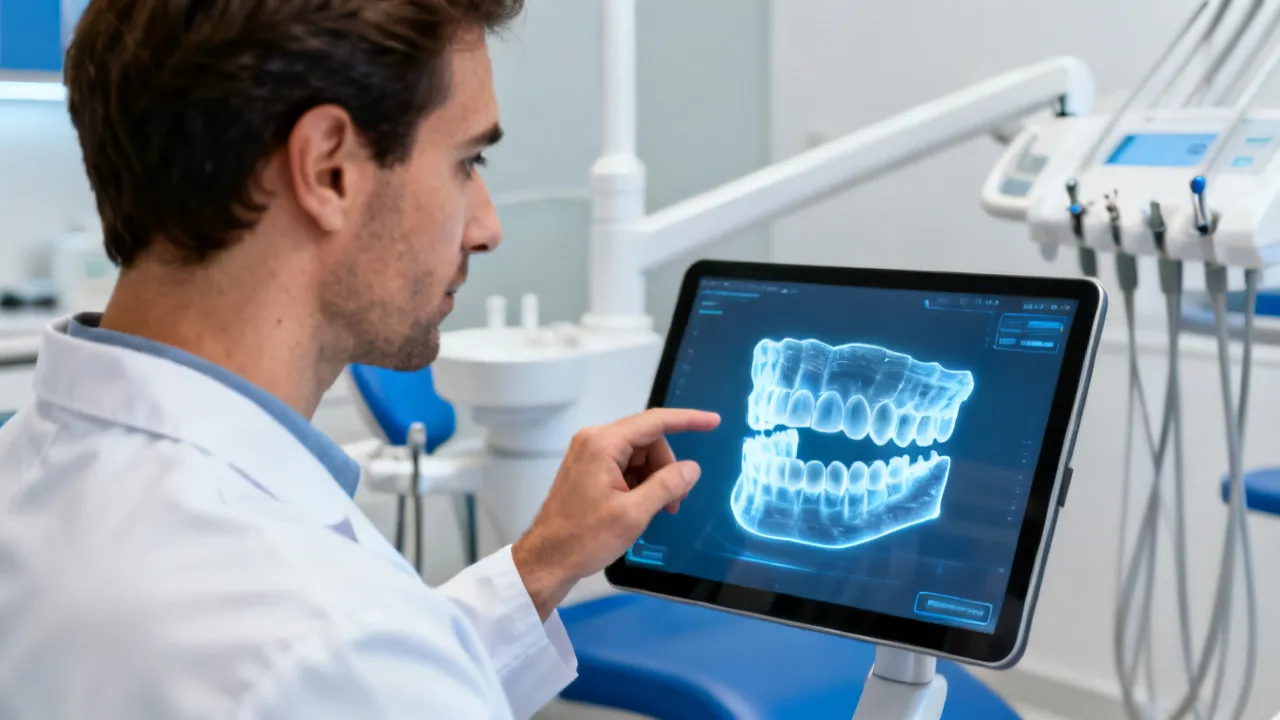
Digital Dentistry in Orthodontics is increasingly central to how clinicians diagnose, plan, and coordinate good treatment. In many real-world cases, orthodontics and dental implants are not separate journeys: patients often begin with alignment goals (bite correction, space creation, and periodontal support) and later move into implant-supported restoration when teeth are missing. When digital tools are used properly, the pathway becomes more predictable—reducing remakes, improving communication among orthodontists and implant clinicians, and supporting case documentation that helps manage both clinical and budget considerations.
For patients, this shift can feel subtle at first. You may notice it in the “paperwork” being replaced by digital records, in the fact that your dentist can show you the scan of your teeth instead of repeating measurements with a ruler, or in the way a treatment sequence is explained with a timeline rather than a series of disconnected steps. But clinically, the benefit is much larger than convenience. Digital records—when they are standardized and shared—can help unify the goals of orthodontic movement with the realities of implant positioning, prosthetic design, and long-term occlusal stability.
It also matters because orthodontics and implants have different time horizons and different success metrics. Orthodontics focuses on alignment, functional occlusion, and space management over months or years. Implant dentistry focuses on stable osseointegration, risk reduction for biological complications, and a prosthetic outcome that supports biting forces without causing overload. When these disciplines coordinate poorly, the patient may experience avoidable complications: an implant placed without sufficient prosthetic space, a crown that does not harmonize with the bite, gingival esthetic problems, or orthodontic movement that later changes the position of adjacent roots and bone. Digital dentistry helps reduce these “disconnects” by turning clinical decisions into measurable, shareable planning data.
Finally, many patients who look for low-cost dental implants are not simply chasing a bargain—they are trying to solve a functional and aesthetic problem with limited financial flexibility. In that context, predictable planning can be a form of cost control. Remakes and re-treatments are expensive in both time and money. By improving documentation and sequencing, digital orthodontic-to-implant integration can help prevent the kind of expensive downstream changes that happen when the initial plan doesn’t consider the prosthetic end result.
Modern digital dentistry typically includes intraoral scanning, 3D imaging (such as CBCT where clinically indicated), digital model analysis, treatment simulation, and CAD/CAM fabrication for appliances or guides. For orthodontics, these workflows can improve measurement accuracy and allow customized aligner or bracket setups. For implants, digital planning can support implant positioning relative to adjacent roots, bone volume, and prosthetic requirements.
From an industry-expert standpoint, the very important shift is not merely “technology adoption,” but workflow standardization: the clinician can move from diagnosis to plan to execution with clearer records—facilitating multi-disciplinary collaboration (orthodontics, periodontics, oral surgery, prosthodontics). This is especially relevant when patients seek low-cost dental implants, because transparency and correct sequencing often matter as much as the final price.
To appreciate what changes, it helps to break the digital workflow into its main components:
Each step is meaningful only if the information is correct and the clinical intent is shared across teams. A high-tech scan that isn’t used in planning—or planning that isn’t translated into surgical and prosthetic execution—still fails to provide the benefits patients assume they are purchasing. That is why “digital” is best understood as an integrated pathway rather than a single tool.
In orthodontics, digital models can reveal tooth size discrepancies, arch-length issues, and the relationship between missing teeth and the spaces required for optimal implant positioning later. In implant dentistry, digital planning can ensure that the implant is positioned with respect to the prosthetic crown’s center of rotation and the emergence profile needed for periodontal and esthetic success. When these insights are combined, the resulting treatment plan becomes more coherent: orthodontics prepares the site not just for “implant feasibility,” but for the long-term prosthetic outcome.
Another practical shift is the ability to create case documentation that can be transferred between clinics. A patient who moves cities—or who seeks affordable care in another region—often benefits from a digital record package that includes scans, imaging reports, and the planned sequence. Even when clinicians disagree on details, having complete baseline records reduces duplication and helps avoid restarting from scratch.
In many patients, implant placement requires orthodontic timing. Common scenarios include:
These scenarios are not “special cases”—they are frequent. Many people seeking implants have had orthodontic issues in the past, or they developed tooth loss due to trauma, periodontal disease, congenital absence, or late complications of extractions. When a missing tooth is involved, orthodontics can serve an essential planning purpose: shaping the site so that implant placement can be prosthetically driven rather than purely surgical.
Digital dentistry helps by enabling precise measurements and visualization of treatment sequences. But it also introduces an additional layer of responsibility: clinicians must ensure that the digital plan matches the biological reality. For example, tooth movement patterns during orthodontic treatment can alter the orientation of roots. If an implant plan does not account for how teeth will move, the final implant position may risk proximity to adjacent roots or fail to align with the prosthetic requirements.
That is why the “connection” between orthodontics and implants often shows up in seemingly small decisions during orthodontic therapy:
However, cost-conscious patients should understand that “low-cost” usually applies to the overall package (planning steps, lab work, surgical approach, and prosthetic component choices), not to skipping medically necessary diagnostics. If digital planning is skipped, the clinician might choose a simpler workflow but that can create downstream costs: more chair time, more revisions, or additional procedures needed to correct prosthetic mismatch or biological complications.
Low-cost dental implants may be achieved via one or more of the following:
Even when patients pursue affordability, the core clinical principles remain: proper case selection, adequate bone/soft-tissue evaluation, and prosthetically driven implant planning. These are also the pillars that digital workflows aim to support.
In practice, “low-cost” is often not one thing. It is frequently a combination of:
But there is a risk: a clinic might lower costs by omitting steps that matter. A “cheap” implant can become expensive if the patient later needs a new crown, additional bone work, or a revision surgery because the original plan wasn’t prosthetically or biologically appropriate. Therefore, from a consumer standpoint, the best “low-cost” strategy is rarely “lowest headline number.” Instead it is “best transparency for the scope of treatment.”
When digital dentistry is integrated well, it can support that transparency. Scans and planned guides can help the patient understand exactly what is being done and why. Even if the patient cannot interpret the CAD model themselves, the clinician can explain how the implant position relates to planned tooth movement and final crown shape.
The table below compares the types of information and service models offered by several online resources that discuss low-cost implant approaches. (This is a feature comparison—not a clinical endorsement.)
| Website focus (low-cost implant information model) | What you can typically expect |
|---|---|
| DentalViews (low-cost dental implant information) | General guidance on implant benefits, treatment types, implant process overview, FAQs, and cost-related discussion aimed at affordability-seeking patients. |
| Atlantic Dental Group (clinic service directory style) | Clinic-oriented overview of multiple services (cleaning, orthodontics, implants, emergency care), scheduling/locations, and team information—useful for first-contact comparison. |
| DentaVacation (dental tourism cost-saving model) | Travel-supported planning concept: cost comparisons across countries and procedural options, along with arrangement support for patients seeking cheaper care abroad. |
| ADHP / dental insurance planning (plan-navigation model) | Insurance-focused guidance intended to help consumers understand coverage options, how to apply, and how to use plans to reduce out-of-pocket expense. |
source: https://dentalviews.com/low-cost-dental-implants/
source: https://www.atlanticdentalgrp.com/
source: https://www.dentavacation.com/
source: https://rockvilledentalarts.com/es/
When using resources like these, it helps to translate what you read into a set of questions for your own provider. For example, an article about low-cost implants may discuss cost levers, but your personal case requires answers about imaging type, orthodontic coordination, prosthetic materials, follow-up schedule, and contingency plans if something needs correction.
This section focuses on practical steps rather than slogans. The goal is to help patients move from orthodontic planning to implant execution while actively managing cost risk.
Because the language environment differs across regions, the details of insurance, clinic structures, and dental tourism services vary. Yet the clinical logic remains similar worldwide: align teeth (when needed), plan the implant based on prosthetic requirements, execute surgery with appropriate verification, then finalize with a restoration that maintains function and health.
Ask whether your missing tooth situation requires orthodontic preparation (space creation, bite adjustment, alignment coordination). If orthodontics is relevant, ensure the treatment plan is documented digitally (scan records, measurements, and—where indicated—3D imaging).
Patients often assume implants are either “needed now” or “not needed at all.” In reality, orthodontics can be essential to create implant feasibility and to improve long-term esthetic outcomes. For example:
From a cost-management standpoint, the “hidden” cost driver is often a mismatched timeline. If an implant is placed before orthodontics creates the correct space, it can require either orthodontic re-work or prosthetic redesign. Coordinating digitally can reduce this kind of mismatch.
A common affordability pitfall is choosing a low price for the surgical phase while underestimating the prosthetic phase. In a digital workflow, the team should clarify how the final crown/bridge design connects to implant position.
In prosthetically driven planning, the clinician starts with where the final tooth should appear in the dental arch—its size, shape, angulation, contact points, and emergence profile—then positions the implant to support that design. This approach is crucial for implants because the implant’s location dictates the restoration geometry, and the restoration geometry dictates esthetic and functional outcomes.
When communicating with your clinic, ask for clarity on:
A prosthetic-driven digital approach can also reduce cost surprises. If a clinic plans surgery without committing to a restoration plan, patients may later be offered “extras” such as different materials, additional steps for esthetic correction, or rework for fit and bite.
When you compare quotes, ask what is included:
Many patients focus on the implant fixture price. But the “implant journey” often includes other substantial costs: diagnostic imaging, surgical supplies, bone grafting if needed, orthodontic coordination visits, provisional crowns, and definitive prosthetic fabrication. In digital workflows, cost can also include scan time and planning software usage. The key is not to avoid these costs, but to ensure they are included appropriately and transparently.
Practical tip: request the quote in writing as a “scope document” rather than an informal summary. A well-documented scope makes comparisons fair. Two clinics may both quote an implant within the same price range but with different amounts of prosthetic work, warranties, or follow-up.
If possible, ask whether the quote assumes:
This helps you estimate the risk of scope creep. A “low-cost” quote with many assumptions might later shift dramatically if your case requires added procedures.
In English-speaking contexts, insurance navigation can be a major cost lever. One example of an insurance-education approach is ADHP (American Dental Health Plans), which is designed to help consumers understand dental insurance planning and coverage options. Spanish-speaking and Portuguese-speaking markets also commonly involve plan eligibility checks, though plan names and rules vary.
Because insurance rules are complex, “eligibility checks” can be as important as the implant treatment itself. Patients can reduce cost uncertainty by:
Digital dentistry can indirectly support insurance planning. If imaging and scans are used efficiently and documents are properly coded or summarized, the administrative process may be smoother. While coding is not a clinical issue, it often affects patient out-of-pocket expense.
Dental tourism may reduce costs, but it increases coordination complexity (travel timing, follow-ups, and complication pathways). Use a structured checklist: estimated treatment length, scheduled post-op visits, who handles emergencies abroad, and how records are transferred to your local dentist/orthodontist.
In practice, dental tourism requires careful planning because implant success depends on more than the surgical event. Healing, monitoring, prosthetic fit, occlusal checks, and potential complications must be managed. If you travel and then return for follow-up later, you need a continuity-of-care plan.
Digital records become even more valuable here. A structured record package can include:
Also ask: if complications occur after you leave, can the foreign clinic provide documented guidance for your local provider? Even if they cannot treat you directly, they can sometimes help manage the decision-making pathway.
Finally, weigh the travel cost against the actual scope difference. A travel-based discount may be outweighed if you must pay for additional procedures later at home due to mismatch or missing follow-ups.
For Digital Dentistry in Orthodontics integration, request details about:
Quality control is not optional in digital workflows. The process is only as accurate as its steps and verification. For example, if a surgical guide is used, ask:
Similarly, for orthodontic-to-implant integration, ask how orthodontic movements are monitored. Digital aligner or bracket systems may provide predicted movement, but clinical variability occurs. The clinic should explain how they confirm that the space and bite position match the planned implant requirements before surgery.
Low-cost dental implants should never be pursued by excluding medically necessary evaluation. Instead, aim for value: a complete plan, transparent scope, and proper sequencing with orthodontic treatment if needed.
Clinical guardrails commonly include:
A patient who prioritizes only the lowest cost might accept inadequate evaluation or a too-rapid timeline. That can lead to avoidable failures. Instead, look for clinics that treat “low-cost” as an optimization of process, materials, and scheduling—not as a reduction in necessary diagnostics.
Below is a rephrased, non-exhaustive summary of how several example resources and clinics position services in their respective language markets. These are presented as “information/clinic models,” not as performance rankings.
Localization can influence patient experience in important ways. In some regions, the clinical pathway may be delivered by a multi-disciplinary group under one roof, while in others it may require referrals between separate specialists. Digital dentistry can help bridge these organizational differences by ensuring that records move clearly between teams.
For patients, the practical takeaway is to ask for a “handoff protocol.” Who provides what documents? In what format? When? And who is responsible for updating the orthodontic-to-implant sequence? Regardless of language, a clear handoff reduces duplication and prevents misunderstandings.
The ranges below are intended as rough planning references for individual dental implants only in the specified language contexts. Actual pricing depends on clinical complexity, imaging needs, prosthetic design, and clinic-specific protocols.
| Country | Currency | Price range (individual implant) |
|---|---|---|
| United States (US) | USD | $3,000 - $6,000 |
| United Kingdom (GB) | GBP | £2,000 - £2,500 |
| Australia (AU) | AUD | AU$3,500 - AU$6,500 |
| Canada (CA) | CAD | CA$3,000 - CA$5,500 |
| Spain (ES) | EUR | €1,500 - €2,500 |
| Chile (CL) | CLP | CLP$800,000 - CLP$1,500,000 |
| Mexico (MX) | MXN | $15,000 - $25,000 |
| Colombia (CO) | COP | $2,000,000 - $4,000,000 |
| Peru (PE) | PEN | S/ 3,000 - S/ 6,000 |
| Argentina (AR) | ARS | $80,000 - $150,000 |
| Brazil (BR) | BRL | R$3,000 - R$8,000 |
| Portugal (PT) | EUR | €1,000 - €2,000 |
These ranges refer to implants only; the total cost for many patients includes restoration, potential bone augmentation, orthodontics (if required), and maintenance-related components. When comparing quotes, it is helpful to estimate your total “implant journey cost,” not just the fixture price.
Patients who seek low-cost implants should consider budgeting for:
This is where digital dentistry may offer value: standardized digital workflows can reduce uncertainty, and reduced uncertainty can translate to fewer unexpected fees.
From an expert perspective, affordability improves when digital orthodontic workflows and implant planning are treated as one coordinated process:
That said, “digital” does not automatically equal “cheaper.” The value lies in how technology reduces error and repetition. Therefore, “low-cost dental implants” should be evaluated alongside the digital planning infrastructure.
To make the integration concrete, consider a typical multidisciplinary scenario:
In a “low-cost” model, some elements might be optimized, such as the use of standardized prosthetic packages or shorter appointment chains. But the integration logic remains: orthodontics must align with implant planning, and the final prosthetic outcome must match the clinical and digital plan.
Digital tools can also improve patient communication. For example, if an orthodontic stage is taking longer than expected, the clinic can show how the tooth movement will influence implant positioning. That reduces patient anxiety and can reduce “stop-and-start” decisions that are often motivated by cost stress.
In addition, digital documentation can support improved long-term maintenance. Patients with implant restorations benefit from regular reviews of occlusion and tissue health. If digital records are retained, future clinicians can more easily track changes over time.
Use these questions during your appointments—this is often the very practical way to reduce surprises.
Additional consultation questions that often matter—especially for affordability-sensitive patients—include:
Patients who request these details are not being difficult. They are trying to protect themselves from uncertainty. A clinic that uses digital workflows well should be able to explain its planning and quality controls clearly, because those processes depend on documented protocols.
Not always. Digital tools can improve measurement accuracy and coordination, but the clinical necessity depends on your case. In many multidisciplinary pathways—especially when orthodontic space creation is needed—digital workflows can be particularly helpful for planning sequencing and documentation.
In some cases, a clinician might still proceed with implants without a full digital orthodontic workflow, but there should be a clear rationale. Ideally, any plan that involves tooth movement and implant placement should address how space, bite, and root relationships will be evaluated. Digital tools can help, but clinical judgment and appropriate diagnostic methods remain central.
Variations often reflect differences in planning scope, imaging methods, prosthetic materials, surgical approach, clinician experience, lab processes, and the inclusion of follow-up and warranty terms. Comparing “package scope” is more reliable than comparing the headline implant price alone.
It can also reflect differences in how complications are handled. A clinic might appear “expensive” because it includes more follow-up imaging or it includes more prosthetic adjustments as part of the warranty. When patients compare only the fixture price, they may unknowingly compare incomplete packages.
Mini dental implants may be appropriate for specific clinical scenarios, depending on bone conditions, prosthetic requirements, and bite forces. A thorough assessment is necessary—affordability should never override suitability.
Mini implants are not a universal replacement for standard implants. The prosthetic design and occlusal loads still matter. Patients should ask whether mini implants are clinically appropriate for their missing tooth location and whether the long-term restoration plan remains compatible with their bite.
It can reduce treatment costs, but the total expense depends on travel, timing, follow-ups, and how complications are managed. A well-structured plan and complete records can improve continuity of care.
Also consider that implants often require multiple stages (sometimes including healing periods). If you travel for the initial surgery but cannot return for prosthetic stages or follow-up, the “cheap trip” might become an expensive series of interruptions. If you pursue travel-supported care, ensure that the clinic’s timeline aligns with your ability to return.
Insurance coverage varies widely by country and plan. Some plans contribute toward certain procedures, while others limit eligibility or exclude specific implant components. The very practical approach is to request a coverage pre-check and confirm what portion applies to the implant and restoration.
For orthodontic-implant pathways, insurance can also affect timing. Some plans may treat orthodontic therapy differently than implant restoration, and some might require documentation before approving coverage. This is where early administrative planning can reduce cost uncertainty.
Common drivers include additional surgical procedures (such as bone grafting), extra appointments for provisionalization, prosthetic material upgrades, and management of complications. Clarify what is included in your quote and what triggers additional fees.
“Hidden” costs can also arise when appointments are more frequent than planned. For example, if your clinic needs multiple impression steps because the scan or model does not fit the digital design pipeline, the cost might increase. Clinics with standardized digital workflows may reduce those scenarios.
Digital planning can help clinicians visualize and standardize procedures, potentially reducing errors in implant positioning and prosthetic alignment. However, clinical success also depends on patient factors (bone quality, health conditions, hygiene) and correct surgical execution.
Digital planning is not a guarantee. It is a tool to improve accuracy and communication. Success still depends on biological factors such as periodontal health, adequate bone volume, and adherence to post-operative hygiene and maintenance.
Ask each provider to describe the full treatment scope in writing: imaging/scan process, implant components included, prosthetic design, expected visits, follow-up requirements, and any warranty terms. Consistency in scope makes comparisons more meaningful.
If one clinic provides a “limited scope” quote and another provides a “full scope” quote, the cheaper one may not be a better deal. Ask for the translation of materials and components too. For example, “standard crown material” might mean different options in different countries, and that can influence cost.
Cost-effective care also requires realistic patient involvement. For implants and orthodontic therapy, patient behaviors—home hygiene, attendance, and follow-up compliance—can strongly influence outcomes and whether additional expenses occur later. A clinic can provide a digital plan, but the patient still must maintain health and attend key appointments.
From a digital workflow perspective, continuity of records becomes a patient advantage. If you have scans and a documented sequence, your local clinician can interpret your case more quickly. This can reduce time and reduce duplicate diagnostic costs.
Digital Dentistry in Orthodontics offers a structured, record-rich pathway for coordinating complex treatment involving tooth alignment and implant-supported restoration. For patients pursuing low-cost dental implants in English-, Spanish-, and Portuguese-speaking environments, the very reliable strategy is to combine digital workflow transparency with careful quote comparison, insurance or insurance-like planning checks, and—when relevant—documented dental tourism coordination. When clinical guardrails are respected, cost-focused planning becomes more realistic and less risky.
The key message is that “value” is not simply the lowest price; it is the right sequence, the right scope, and the right translation of planning into execution. Digital tools can support this value by improving accuracy, standardization, communication, and documentation. When orthodontics and implants are treated as one coordinated process, patients are more likely to achieve functional stability and esthetic outcomes without unexpected rework.
1) The above information comes from online resources, and the data is as of October 2023. 2) Dental implant prices are for reference only and may vary by region, clinic and doctor.
Orthosmile Hounslow: Dental Implant and Orthodontic Guide
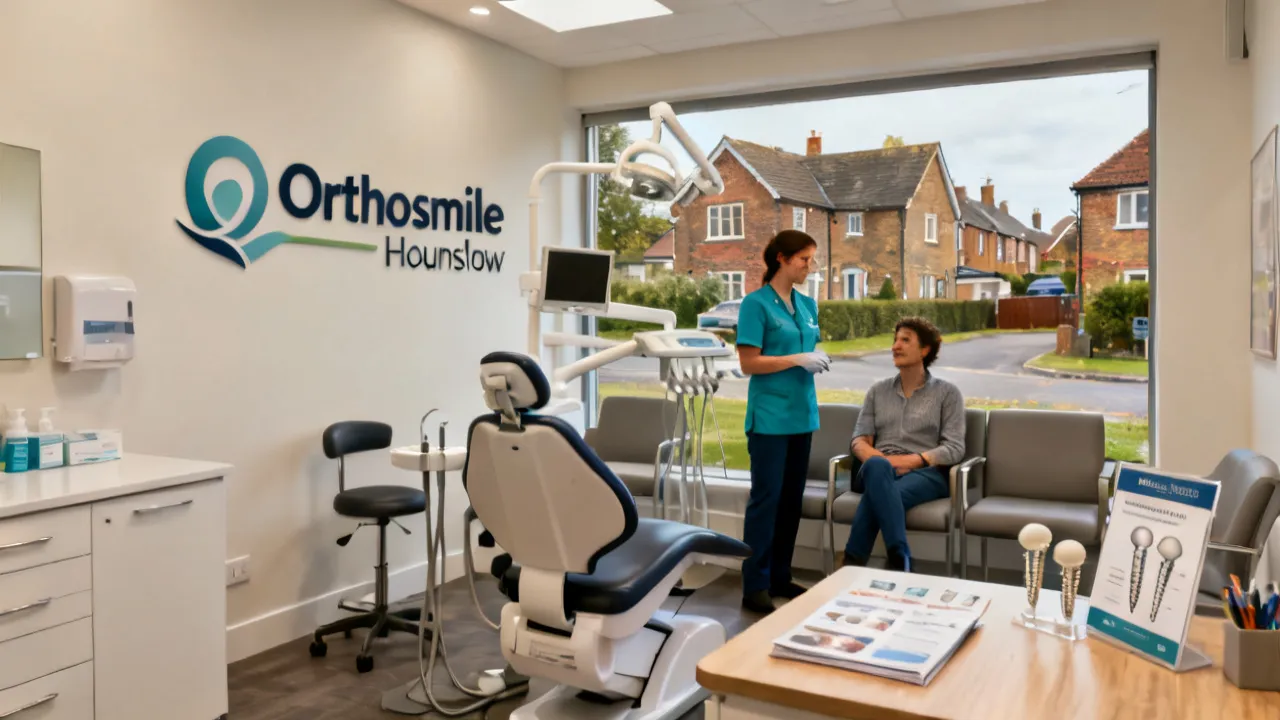
Orthosmile Hounslow: Dental Implant Cost & Options
Orthosmile Hounslow: Low-Cost Dental Implants Explained
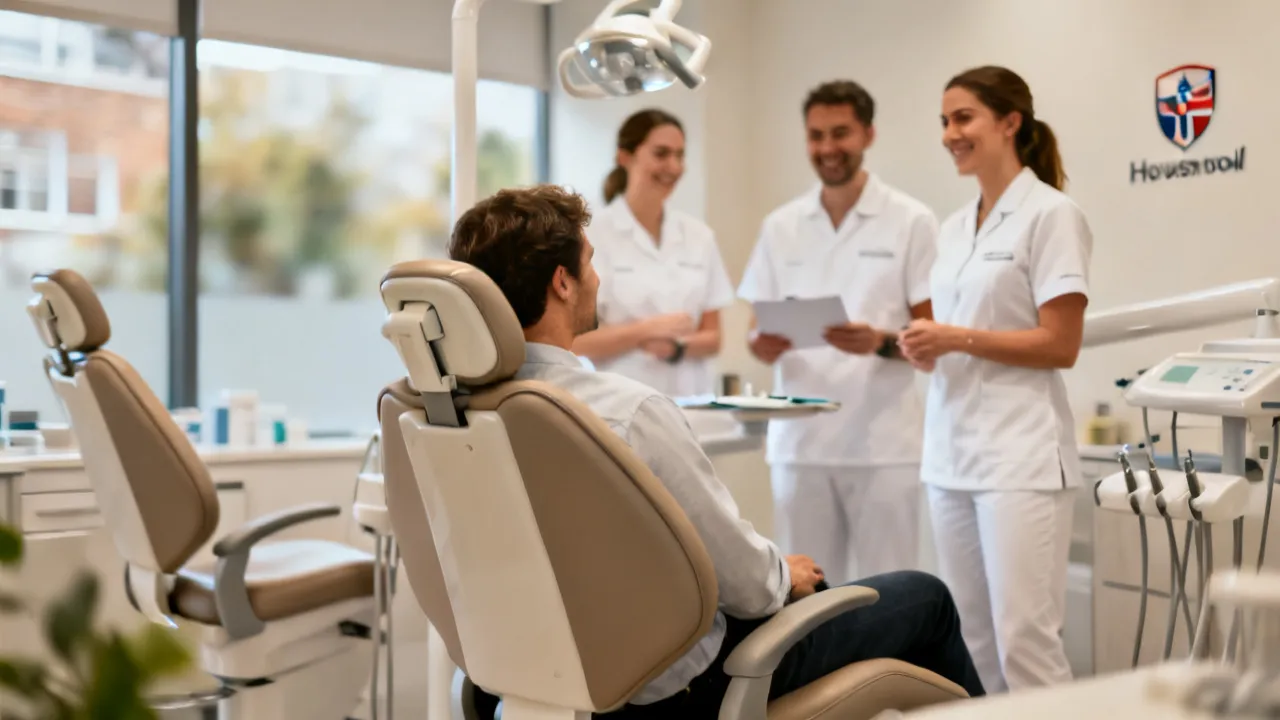
Orthosmile Hounslow Guide to Implants and Orthodontics
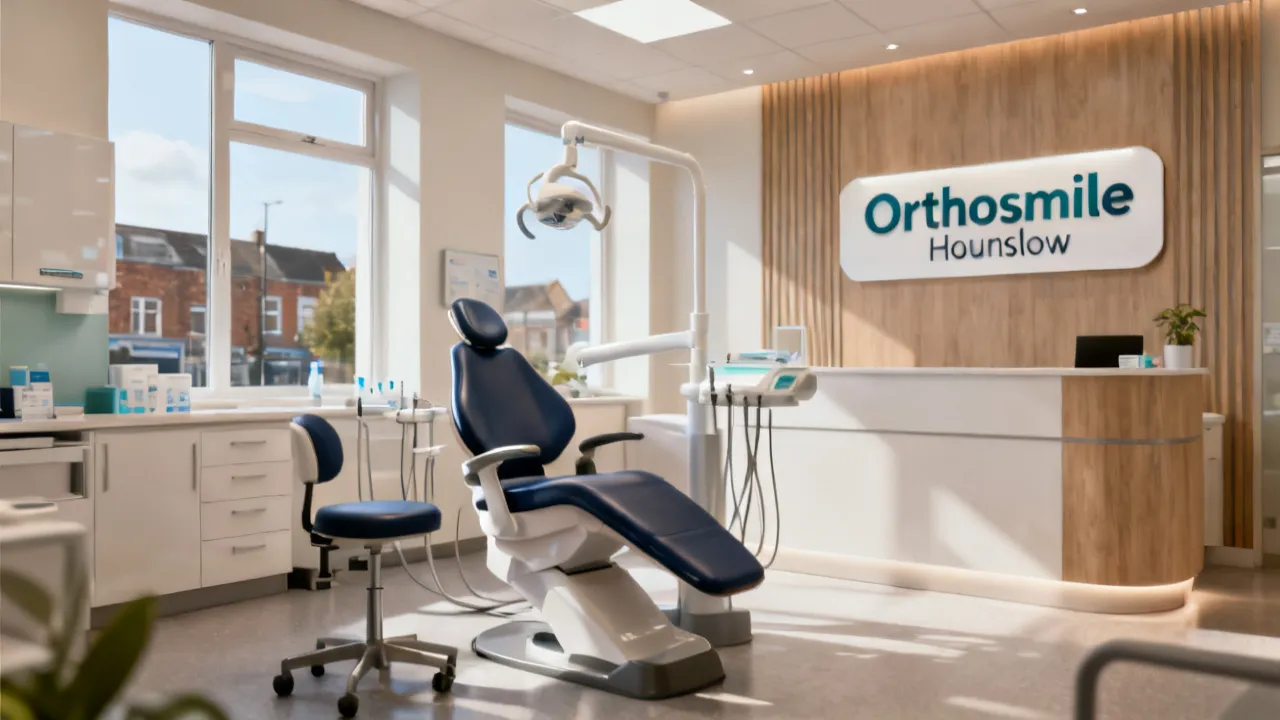
Orthosmile Hounslow Guide to Affordable Implant Options
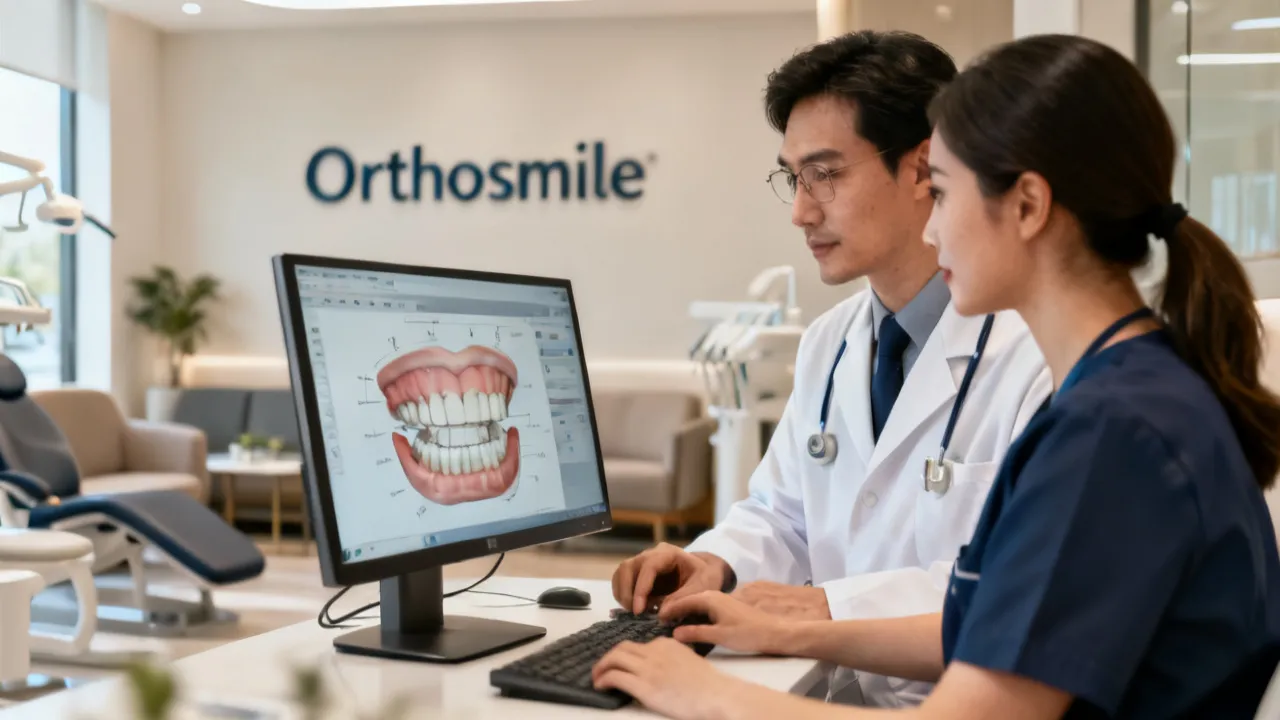
Orthosmile Hounslow: Dental Implants and Care Guide
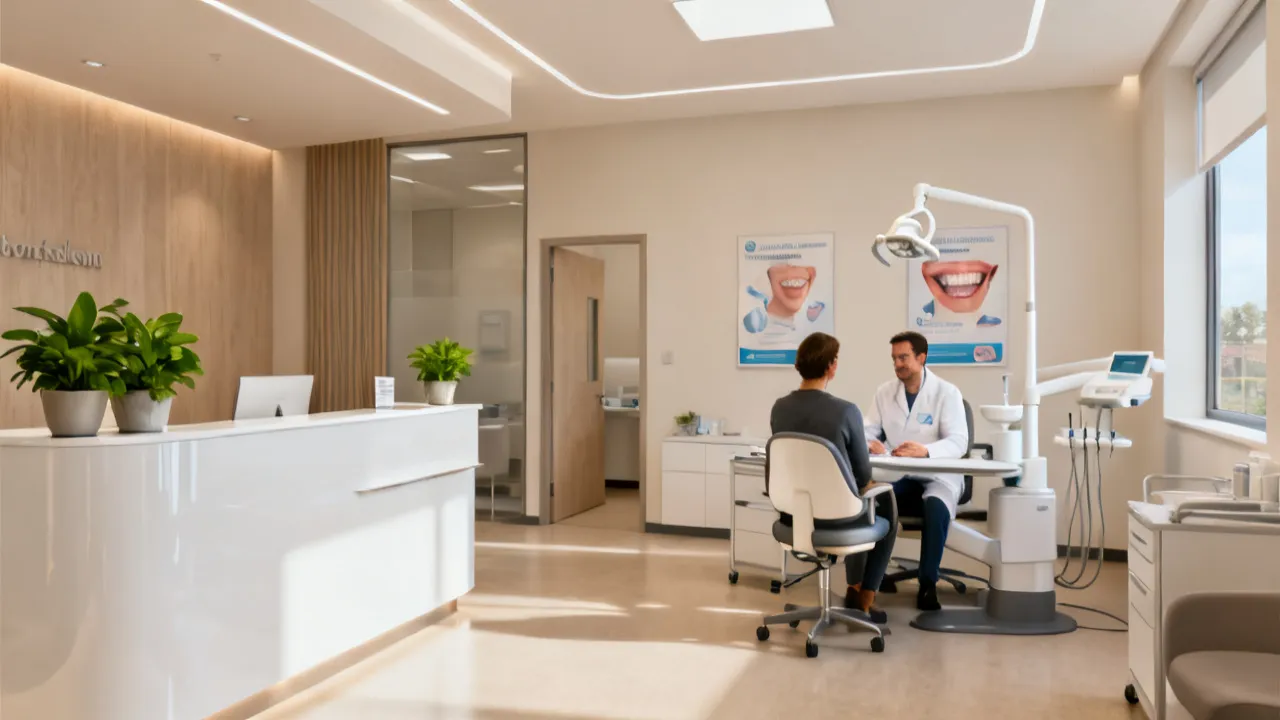
Orthosmile Hounslow: Dental Implant Cost Guide Nearby
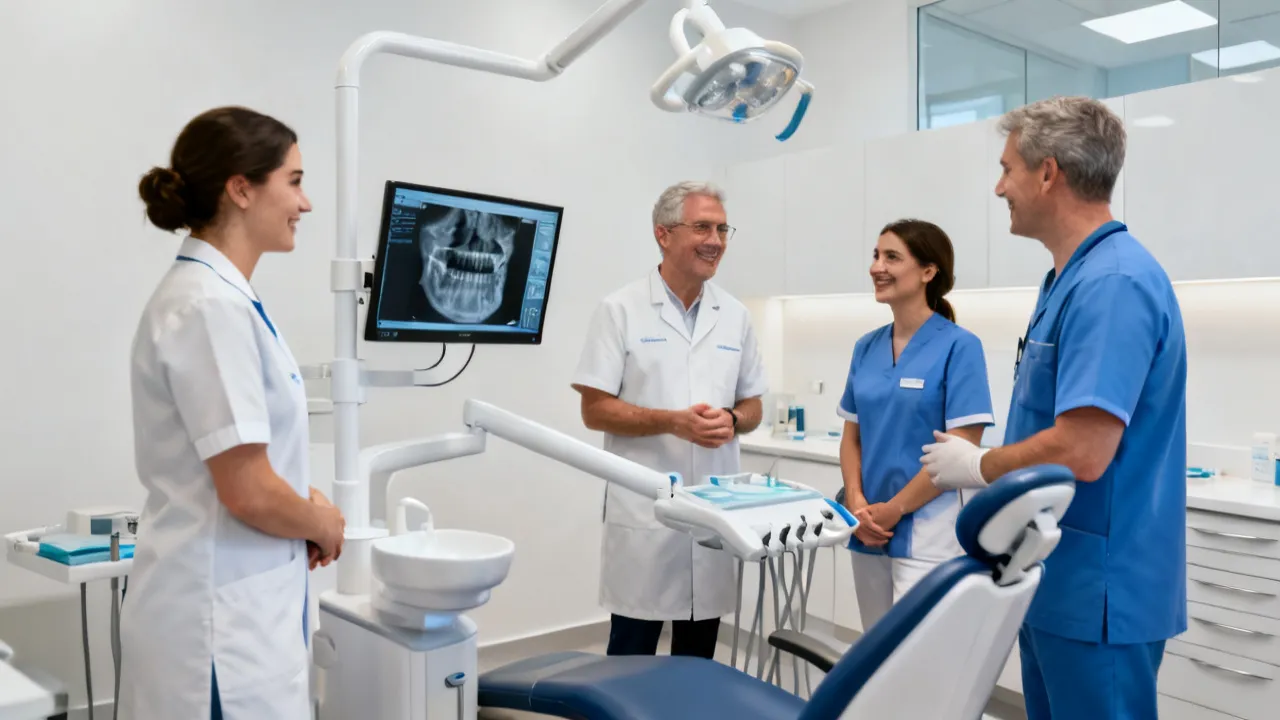
Orthosmile Hounslow: Dental Implants and Care Guide
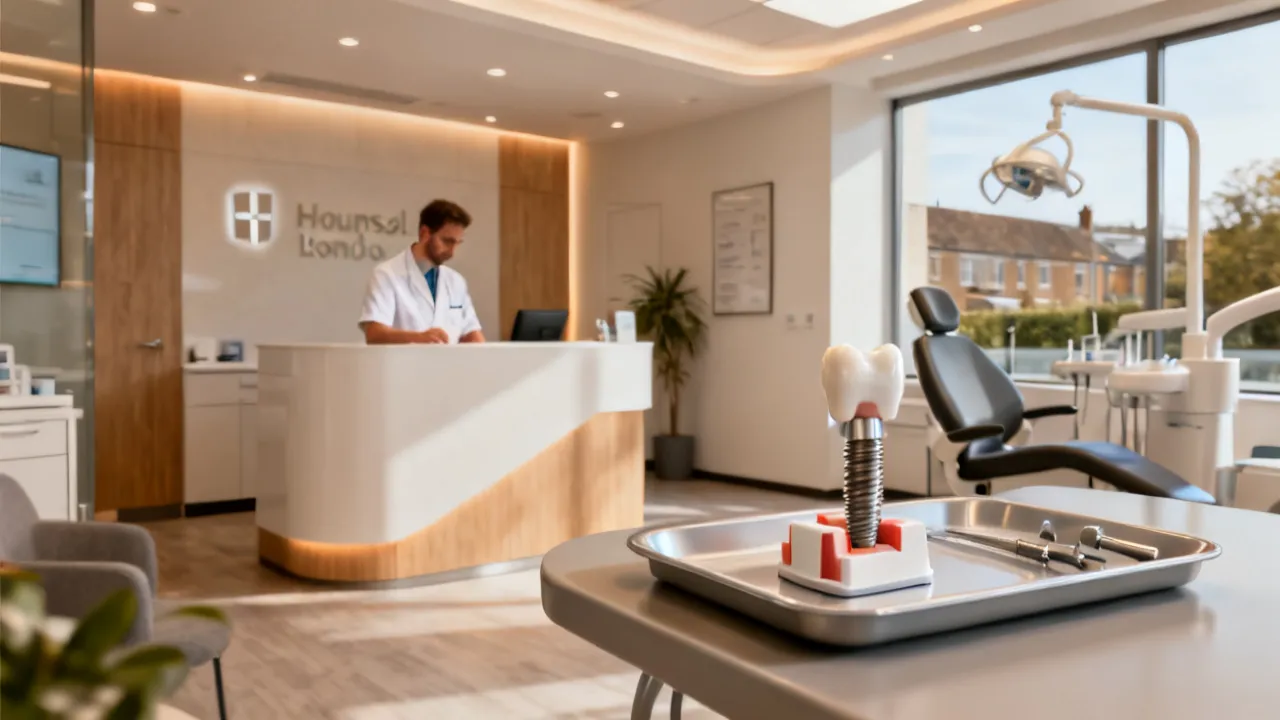
Orthosmile Hounslow Guide to Dental Implants

Orthosmile Hounslow: Dental Implant and Orthodontic Guide
This expert guide explains what to consider when choosing Orthosmile Hounslow for orthodontic care and dental implant treatment. It reviews how low-cost implant decisions work across English-, Spanish-, and Portuguese-speaking patient pathways, outlines typical cost ranges, and provides a practical step-by-step checklist plus FAQs—so you can plan consultations with clearer expectations.
Orthosmile Hounslow: Dental Implant Cost & Options
This guide explains how Orthosmile Hounslow supports patients comparing dental implant pathways, clinical steps, and realistic cost expectations. It also reviews how English-, Spanish-, and Portuguese-speaking countries approach affordability, including low-cost implant information sources, insurance considerations, and typical pricing bands from October 2023-era online references, with clear requirements and FAQs.
Orthosmile Hounslow: Low-Cost Dental Implants Explained
This guide explains how Orthosmile Hounslow approaches dental implants, especially when budgets are a key constraint. It provides objective context on implant types, assessment steps, and what drives pricing across English-speaking, Spanish-speaking, and Portuguese-speaking regions. You’ll also find practical ways to pursue lower-cost options, cost reference ranges, and FAQs for informed decision-making.
Orthosmile Hounslow Guide to Implants and Orthodontics
This guide explains how Orthosmile Hounslow supports patients considering dental implants and orthodontic care. It also compares how low-cost implant information is presented across English-, Spanish-, and Portuguese-speaking markets, outlines practical steps to pursue affordable options, and offers reference price ranges by country. The focus is objective decision-making, not marketing claims.
Orthosmile Hounslow Guide to Affordable Implant Options
This guide explains how patients evaluate Orthosmile Hounslow for implant-related dental care, with an evidence-led view of affordability, clinical planning, and what to ask during consultations. It also compares online references on low-cost dental implants, details step-by-step routes used across English-, Spanish-, and Portuguese-speaking markets, and provides region-based cost ranges as reference only.
Orthosmile Hounslow: Dental Implants and Care Guide
This guide explains how to evaluate dental implant options with a focus on Orthosmile Hounslow and the practical decision points behind low-cost implant pathways. It reviews clinic services, planning requirements, and cost ranges across English-, Spanish-, and Portuguese-speaking countries, then compares trusted information sources and outlines a step-by-step approach—ending with key FAQs and a clear disclaimer.