English

This guide explains how to choose an orthodontist for adults nearby, what to expect from adult orthodontic care, and how dental implant planning fits into a wider treatment strategy. It also compares reputable online resources on low-cost implant information, outlines step-by-step pathways in English-, Spanish-, and Portuguese-speaking markets, and provides reference price ranges by country.
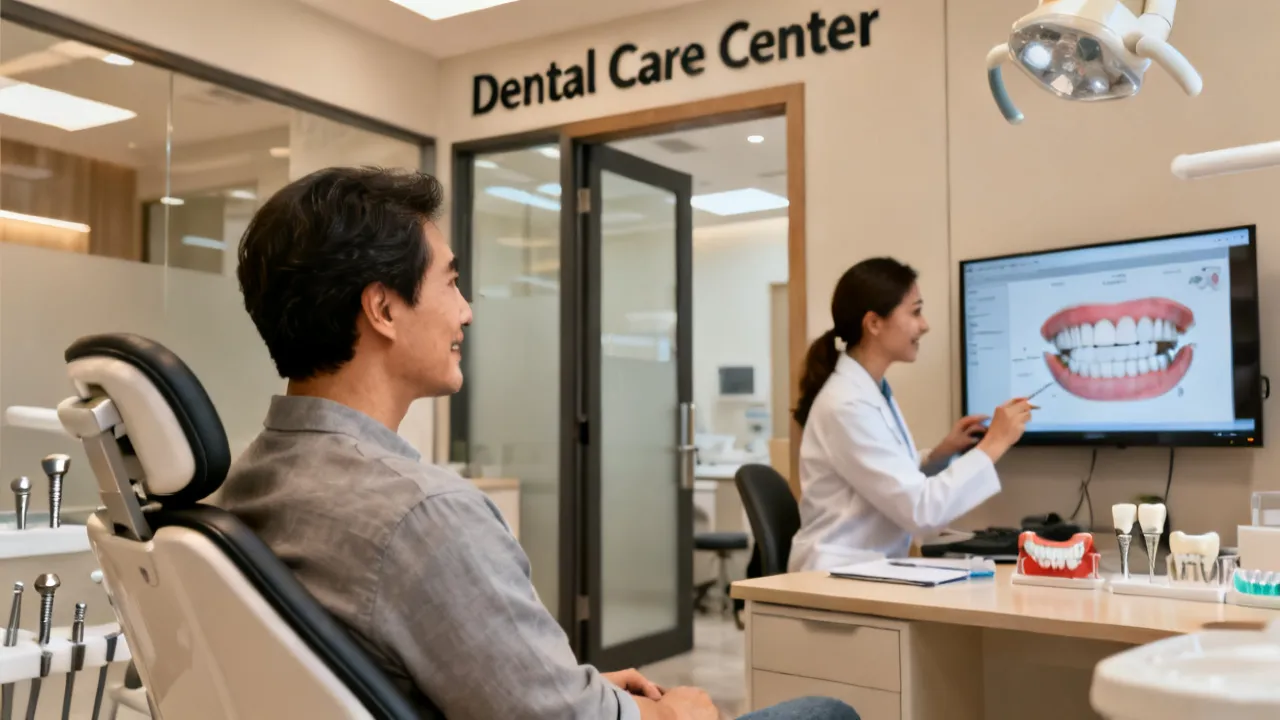
If you’re searching for an Orthodontist for Adults Near Me, you’re typically looking for more than straight teeth—you’re looking for a clinically sound plan that accounts for aging oral tissues, bite mechanics, existing restorations, and good stability. Adult orthodontics is often integrated with other disciplines such as restorative dentistry, periodontics, and oral surgery. That integration becomes even more important if tooth replacement is part of your future—especially when dental implants are considered.
From an expert perspective, the very reliable adult outcomes tend to come from a structured workflow: accurate diagnosis (including imaging and occlusion analysis), realistic treatment sequencing, careful risk management (gum health, bone availability, and temporomandibular joint considerations), and a retention strategy designed for adult physiology. Location (“nearby”) helps with continuity, follow-up visits, and comfort—yet quality should remain your primary filter.
Adults have something that adolescent orthodontic patients often don’t: a history. Many adults bring to the dental chair a combination of factors that can influence results—gum recession that has already changed the soft-tissue envelope, restorations that can mask bite problems, tooth wear that affects contacts, dental trauma, root angulation variations, and even habits such as clenching or nighttime grinding. That history matters because adult orthodontic tooth movement changes how forces distribute across teeth and gums. If a practitioner doesn’t account for those forces and tissue realities, the result can be compromised comfort, slower progress, or stability issues later on.
Choosing the right orthodontist also affects your ability to coordinate treatment. Adult patients often want a “complete mouth” outcome: a better smile, a more comfortable bite, and a plan that supports future options like bridges, crowns, or implants. A good orthodontist understands that alignment is not the final goal by itself; it’s a tool for creating the correct environment for periodontal support, restorative design, and (if relevant) implant prosthetics.
When you look for an orthodontist near you, it’s worth considering not only credentials but also how the clinic communicates and documents. Adult patients commonly need clear timelines, realistic expectations, and itemized cost components. Transparent communication matters because adult orthodontic treatment often runs longer than people assume, and it typically intersects with other dental work. A clinic that can coordinate with other providers, document the plan clearly, and adjust it as your mouth changes will generally deliver more predictable outcomes.
Finally, adult orthodontics is as much about long-term maintenance as it is about the active phase. Teeth move in response to forces, but they also respond to changes in muscle activity, occlusion dynamics, and gum/ligament health over time. Adults must commit to retention and maintenance. Selecting an orthodontist who takes retention seriously—explaining it early, scheduling it thoughtfully, and offering a plan you can realistically maintain—is one of the strongest predictors of lasting success.
Adult orthodontic treatment is not simply “orthodontics for grown-ups.” The biology and mechanics differ. Adults generally face:
For patients who are considering tooth replacement, orthodontic planning often happens before or alongside restorative decisions. Aligning bite forces can reduce complications later, such as uneven implant loading or problematic occlusal contacts.
To understand how adult orthodontics differs, it helps to consider what changes inside the mouth as we age. In teens, many orthodontic problems are addressed during growth spurts, when the jaw bones can still respond. In adults, skeletal structures are generally mature; therefore, correction of alignment problems often relies on repositioning teeth within the existing bone. This has practical implications: the space available for tooth movement is limited by bone anatomy, root shape and length, and existing periodontal support. Adult orthodontic plans are therefore usually more individualized and sometimes more conservative than plans for younger patients.
Another difference is that adults may have already adapted to a certain bite pattern. If you’ve lived with crowding, an overbite, or a crossbite for years (sometimes decades), your neuromuscular system and dental contacts have adapted. Changing the bite can feel different—sometimes better, sometimes uncomfortable during the transition. A clinician who understands adult neuromuscular adaptation can better predict comfort issues and guide you through the process with realistic expectations.
Periodontal health is another major variable. Orthodontic forces move teeth, but they also stimulate the periodontal ligament. If a patient has inflammation or untreated periodontal disease, moving teeth may worsen symptoms or make it harder to maintain bone levels. Many adult orthodontic practices now treat gum health as a baseline requirement. That means periodontal evaluation, sometimes periodontal therapy before braces or aligners, and careful monitoring during active treatment.
Adults also have more complex restorative considerations. A tooth can be mispositioned relative to a crown margin, a filling edge, or an implant screw access path. If a patient has a crown on a tooth that needs to shift, the crown may end up in the wrong position, or it may create occlusal interference. In some cases, braces or aligners are used before restorative work; in other cases, the restorative work must be planned during orthodontics with temporary restorations to protect comfort and function. This sequencing is where a “near me” clinic must show interdisciplinary competence.
Stability and relapse are often emphasized for adults because relapse patterns in adults can be different. Habits like clenching, tongue posture patterns, and occlusal wear can contribute to changes after active treatment ends. Additionally, adults may not have the same natural correction capacity as younger patients, so their retention must be tailored carefully. A good adult orthodontist discusses retention from the very beginning, not only after the braces come off.
Lastly, adults often need practical flexibility. Work schedules, time constraints, travel, and adult responsibilities affect appointment frequency and treatment comfort. Adult orthodontics can still be highly successful, but it requires a plan that fits into your life. The “right orthodontist” is the one who offers options—clear aligners, braces, hybrid approaches—and explains the trade-offs in comfort, visibility, and predicted movement precision for your specific case.
When evaluating an Orthodontist for Adults Near Me, you want a practice that can explain not only “what braces/aligners will do,” but also how the plan coordinates with the rest of your mouth. A strong adult workflow commonly includes:
When implants enter the plan, that workflow expands into a multi-disciplinary sequence: orthodontics may create space and angulation; the implant team uses those tooth positions to plan the ideal implant placement; restorative design then completes the final bite harmony.
A key point adults sometimes overlook is that an orthodontic plan isn’t only about the tooth movements. It’s also about managing the risks of those movements. For example, adult roots may be close to adjacent teeth or to the sinus floor in upper back regions. If a clinician isn’t careful, tooth movement could be restricted, become slower, or lead to root resorption concerns. The plan must incorporate root position goals, not only crown position goals.
Another important aspect is the clinician’s clarity in explaining the treatment “why.” Many successful adults leave consultations understanding not just what will happen, but why it must happen in that order. That usually means they can describe:
There are several questions you can ask to evaluate whether a provider is building adult-appropriate plans:
Also, ask how the clinic handles adjustments to the plan. Adult mouths change over time: teeth may shift slightly differently than predicted, gum tissue may respond to force, or restorative surfaces may change due to wear. A mature orthodontic office will have protocols for reassessing and updating treatment rather than rigidly following an initial script.
It’s common for adults to request orthodontics because they want improved aesthetics, bite function, or both. Yet tooth loss and spacing can complicate alignment. Dental implants may be part of the good solution when teeth are missing or when restorative options are limited. In well-coordinated care, orthodontics can:
Importantly, not every adult patient needs implants. Sometimes orthodontics and restorative dentistry are enough. The correct approach depends on tooth prognosis, bone quality, occlusal scheme, and patient priorities.
In many adult cases, the overlap between orthodontics and implants is one of the most misunderstood areas. People often assume that orthodontics is separate from implant planning, but the reality is that implant success involves both biology and prosthetic design. The implant’s position determines crown shape, contact points, and how the forces are distributed. If orthodontics changes tooth spacing and contact relationships without considering implant placement, the implant restoration can end up with unfavorable angles or off-axis contacts.
Consider a common scenario: a patient has missing posterior teeth due to extraction or previous failure. Adjacent teeth drift into the space over time, narrowing it and changing their angulation. When the patient later wants replacement, the implant team may find that the space is too narrow or that the adjacent teeth are blocking ideal implant positioning. Orthodontics can reverse or correct that drifting, creating a proper environment for implant placement. When done correctly, it can improve implant placement accuracy and help ensure the final crown fits harmoniously.
Another scenario involves existing restorations. If a patient has a crown that is in the wrong position relative to the bite, orthodontics may shift the tooth. However, shifting a tooth that has a crown may require crown modification or replacement if margins or occlusal surfaces end up misaligned. Alternatively, the orthodontist may coordinate with a restorative dentist to place temporary crowns during treatment and schedule final crown fabrication after alignment stabilizes. This coordination is often what separates “good results” from “great results.”
Orthodontics can also influence the choice between implants and alternative solutions. For instance, if a dental gap is surrounded by teeth that can be orthodontically re-positioned, a clinician may decide that implant placement is not necessary—or that implant placement should be delayed until after orthodontics creates the right space. In contrast, if bone volume is limited or if the patient’s periodontal prognosis is poor, implant planning may be prioritized earlier. Again, it’s sequencing and individualized risk assessment that matter.
Bone and soft tissue are especially relevant when implants are considered. Tooth movement in orthodontics can affect the bone contours and thickness of the supporting tissues. While orthodontic tooth movement is not always intended to “create bone” for implants, it can change the tissue environment around roots and alveolar bone. The implant team will need that information for accurate planning. That’s why adult orthodontists who understand implants and communicate effectively with implant surgeons often provide better patient experiences.
Finally, implants bring new questions about occlusion. An implant-supported tooth behaves differently from a natural tooth. Natural teeth have a periodontal ligament that provides a slight degree of mobility and shock absorption. Implant-supported restorations do not have the same ligament system. Therefore, bite contacts must be designed carefully to avoid excessive forces on the implant crown. Orthodontics can help by establishing a functional occlusion scheme, reducing interferences, and ensuring contacts are in the correct positions and angles for long-term durability.
Many people searching for affordable solutions will encounter a wide range of information online. However, “low cost” is not a treatment category—it’s usually a consequence of pricing structure, supply chain, surgical approach, insurance coverage, practice overhead, or location. The safest way to use online sources is to treat them as information tools, then confirm details with an in-person evaluation.
It’s also important to recognize that dental “cost” is often framed differently. Some pages focus on the implant itself; others focus on the full package including abutment and crown; others discuss surgical visits and restorative visits separately. Two providers may quote similar numbers, but if one includes imaging, bone grafting, abutments, temporaries, and follow-up visits while another excludes core items, the comparison becomes misleading. A patient can feel that one option is “cheaper” while actually paying more later through add-on procedures.
When evaluating low-cost implant information, look for evidence of clinical rigor such as:
Below is a set of examples (as informational references) that reflect different ways the web may frame implant topics. These examples are not endorsements of any particular clinical outcome. They mainly illustrate how online content can vary in focus and what it may be useful for.
| Website | Information Focus (for Low-Cost Implant Planning) |
|---|---|
| DentalViews | Practical explanations of low-cost dental implant options, general implant benefits, treatment types, and cost-related FAQs |
| Atlantic Dental Group | Clinic-oriented overview of implant-related services and patient scheduling access (useful for understanding care pathways) |
| DentaVacation | Dental tourism framing: cost comparisons by destination and considerations for traveling for procedures |
| Rockville Dental Arts (Spanish) | Spanish-language overview of dental services (including implant-related offerings) with a patient-friendly presentation |
| Union City Mini Dental Implants (Spanish) | Focus on mini dental implants—often discussed in context of limited areas and specific clinical scenarios |
| Cigna: Guide to Dental Implants (Spanish) | Insurance-provider educational content that helps users understand implant basics and typical treatment considerations |
Links (sources of the table content):
source: [www.dentalviews.com](https://dentalviews.com/low-cost-dental-implants/)
source: [www.atlanticdentalgrp.com](https://www.atlanticdentalgrp.com/)
source: [www.dentavacation.com](https://www.dentavacation.com/)
source: [rockvilledentalarts.com/es](https://rockvilledentalarts.com/es/)
source: [unioncityminidentalimplants.com/es](https://unioncityminidentalimplants.com/es/)
source: [www.cigna.com/es-us/knowledge-center/guide-to-dental-implants](https://www.cigna.com/es-us/knowledge-center/guide-to-dental-implants)
When you use such sources, try not to “self-select” based solely on a price mention. Instead, use the content as a prompt for questions. For example, if a page mentions “mini implants,” ask an implant team whether mini implants are clinically appropriate for your anatomy and intended restoration. If a page emphasizes dental tourism, ask how the clinic coordinates documentation, credential verification, and postoperative follow-up. If a page describes “packages,” ask for an itemized breakdown so you can understand how the package is built.
Finally, remember that clinical success isn’t only about the cost of materials. It’s about the overall system: planning, sterile protocols, implant design selection, surgical technique, bone management strategy, prosthetic design, and long-term maintenance. A low-cost approach can be legitimate, but it should still include the essentials. If a clinic reduces costs by reducing diagnostics or skipping key steps, “cheap now” can become expensive later.
Below is a structured, practical pathway that aligns with how patients typically reduce cost while keeping clinical safety in mind. Although the concept is similar across regions, the relevant health system structure, insurance norms, and language accessibility vary—so the examples reference English-speaking, Spanish-speaking, and Portuguese-speaking information resources.
This section focuses on decision-making steps rather than promises. In real life, cost reduction often comes from better planning, appropriate timing, bundled care, and matching case selection to the correct treatment type. It can also come from insurance navigation, financing options, and occasionally from traveling—but traveling should be treated as a logistics and continuity-of-care decision, not as a substitute for clinical evaluation.
It can be tempting to ask for a price before you have a diagnosis, especially if you are searching online. But implant pricing is heavily dependent on diagnosis. A patient with adequate bone volume and good periodontal health may need a straightforward placement, while another patient may require grafting, sinus evaluation, or extraction of a failing tooth followed by healing. The cost difference can be substantial. Therefore, the first step is to secure clarity on what procedure pathway is actually required.
In addition to standard radiographs, ask about how the clinic evaluates soft tissues. Bone volume is not the only factor—gum thickness and keratinized tissue availability can influence implant maintenance comfort and long-term crown aesthetics. A good diagnostic process therefore includes both hard-tissue and soft-tissue considerations. If a clinic doesn’t mention soft tissue assessment, it may not be addressing all relevant variables.
If your case includes orthodontics, diagnostic clarity means understanding timing. If you want an improved bite and you also need an implant, the orthodontist and implant team should coordinate. That coordination can affect whether you need temporary tooth replacement while orthodontics is underway, or whether you can place an implant after space is created. Coordinated sequencing can prevent unnecessary costs like replacing restorations multiple times.
Candidacy is more than “do I qualify medically?” It’s also “do I qualify in this mouth right now?” Many implant failures are preventable through candidacy screening and periodontal stability. For adults, a critical candidacy step is to ensure gums are healthy and inflammation is controlled before implant placement. If gum disease is untreated, implants can be at higher risk of complications.
Sequencing is where orthodontics and implants overlap most. When orthodontics is needed to create space or align tooth roots, it often makes sense to treat the malocclusion first or to treat it partially before final implant placement. However, not every case follows a simple rule. Some cases may be able to place an implant first and then adjust bite after, especially if the implant placement doesn’t require orthodontic changes. The appropriate sequencing depends on occlusion strategy, implant position goals, and restorative design plans.
Bone availability is another factor. Some patients have enough bone for standard implants; others require grafting or alternative strategies. The cost implications are significant because grafting involves additional surgical stages and healing time. Ask whether your proposed treatment includes potential grafting or whether grafting is only required “if needed later.” If a quote is given without discussing this possibility, you may face surprise costs.
Also consider systemic factors. Some medications and conditions can affect bone healing, infection risk, or implant integration. Even without going into detailed medical advice, a clinic should screen for relevant medical history and discuss how it influences risk. That risk discussion is part of cost control—because preventing complications avoids additional procedures.
Cost comparisons should always be based on complete treatment scope, not just the implant component. A typical “complete” pathway might include:
If a quote omits parts of this list, ask why and request a revised itemized estimate. Many patients reduce costs by selecting the right package that includes the necessary items for their case. The goal isn’t to always choose the lowest number; it’s to choose the package that delivers the required clinical steps efficiently, with predictable outcomes.
In orthodontic-implant combinations, also ask how the package is structured across disciplines. For example, the implant may be priced as surgery plus crown, but orthodontic work may be billed separately. You want to know whether orthodontics is included or not, and whether the orthodontic timeline aligns with the implant timeline. Misalignment can create additional appointments, additional temporary restorations, or rework of crown design.
Finally, don’t ignore warranty and follow-up policies. Some clinics provide guarantees on implants or restorations for a defined period. Others may not. A “cheap” plan without any follow-up support can cost more if complications occur. Ask about what happens in the event of complications and how revisions are handled.
Insurance navigation can be a significant cost-reduction route. However, insurance rarely covers everything. It may cover diagnostics and certain procedures but exclude implants or cover them partially depending on medical necessity criteria. For orthodontics, insurance coverage can be limited and often requires documentation. Therefore, cost planning should include both insurance estimates and realistic out-of-pocket projections.
In some markets, dental tourism is framed as a straightforward “go somewhere cheaper.” In practice, the decision requires careful planning. If you travel for implant placement, you need a clear plan for follow-up after you return home. What is the postoperative schedule? Who manages complications if they arise? Are you able to obtain your records—CBCT files, operative notes, implant serial numbers, and restoration documentation? Continuity of care is crucial because implant care is not a single appointment event; it’s a timeline of stages and maintenance.
Another cost reduction route is financing. Some clinics offer payment plans that reduce short-term strain without sacrificing diagnostics. Others may offer “discount packages” that depend on specific implant types or limited restorative options. Financing can be beneficial if it comes with clear treatment scope. The risk is when cost reduction is achieved by limiting diagnostic detail. Therefore, financing should not replace itemized clarity.
Language accessibility also matters in cost reduction. Patients who can understand their options make better decisions and avoid expensive misunderstandings. In Spanish-speaking and Portuguese-speaking markets, patient-friendly materials in the local language can help people interpret what is being proposed, which questions to ask, and what to expect during healing. When language barriers exist, “hidden complexity” increases costs because patients may return with unresolved concerns or missed instructions.
Credential confirmation goes beyond asking “are you licensed?” It’s about understanding how experienced the team is with cases like yours. For implants, experience can include:
If orthodontics is involved, ask how the clinic ensures orthodontic mechanics don’t compromise implant planning. A high-quality orthodontist will communicate with the implant team and track tooth positions and bite changes in a way that supports eventual prosthetic design.
Protocol quality also includes patient safety details: sterile processing standards, infection control, postoperative instructions, and clear guidance on what to do if swelling, pain, or bleeding occurs. A clinic that can’t articulate postoperative protocols may be difficult to rely on if something unexpected happens.
Written plans matter. If you’re told an implant will be placed “sometime,” ask for a timeline and staged plan. A written plan reduces uncertainty and helps you plan time off work, financing, and follow-up travel arrangements. Uncertainty itself can create hidden costs.
Maintenance is where long-term costs are controlled. Implant success is not only determined at surgery; it is influenced by plaque control, gum health, and maintenance intervals. Your maintenance schedule should be clear. Ask about professional cleanings frequency, how implant cleaning differs from natural teeth, and what warning signs require earlier visits.
Orthodontic retention is another maintenance layer. Adults need retention devices and a recall plan to monitor stability. If you neglect retention, teeth can drift, which can compromise both the bite and any future restorative work. Even if you successfully complete active orthodontic treatment, you might lose the benefit without an adequate retention strategy.
If you travel for implants, maintenance becomes even more complex. Ask your local dentist how they can integrate implant follow-up. Ensure you have records needed for maintenance. Also clarify whether there is an on-island or local provider who can manage follow-ups without delay. Continuity is a core part of “lower cost,” because delays in treatment can increase complexity and costs later.
The following ranges are intended for budgeting and planning only. Actual quotes depend on diagnosis, bone conditions, implant system selection, whether grafting is required, and the type of final restoration. Clinically, the “total implant” cost often includes surgery plus the prosthetic component(s).
Even if your search is focused on price, it’s important to treat these ranges as context rather than a target. Two patients with the same missing tooth might have very different needs. For example, one patient may need an implant with a standard procedure and no grafting. Another patient might need extraction, bone augmentation, a sinus lift, or a modified prosthetic design. The cost differences reflect these clinical realities, not only the cost of the implant component.
| Country | Currency | Price range (individual implant) |
|---|---|---|
| United States | USD | $3,000 - $6,000 |
| United Kingdom | GBP | £2,000 - £2,500 |
| Australia | AUD | AU$3,500 - AU$6,500 |
| Canada | CAD | CA$3,000 - CA$5,500 |
| Spain | EUR | €1,500 - €2,500 |
| Chile | CLP | CLP$800,000 - CLP$1,500,000 |
| Mexico | MXN | $15,000 - $25,000 |
| Colombia | COP | $2,000,000 - $4,000,000 |
| Peru | PEN | S/ 3,000 - S/ 6,000 |
| Argentina | ARS | $80,000 - $150,000 |
| Brazil | BRL | R$3,000 - R$8,000 |
| Portugal | EUR | €1,000 - €2,000 |
When planning your budget, it can be helpful to ask the clinic how the quote changes with common variables:
This kind of questioning helps you understand not only the “price,” but the structure behind it. Lower-cost clinics sometimes offer cost advantages through efficiency and bundled care, while higher-cost clinics may include more diagnostics, more frequent follow-ups, or additional quality checks. Your decision should aim for value and predictability, not just the lowest initial number.
When searching for care, language access can meaningfully affect comprehension, consent quality, and adherence. In Spanish-speaking contexts, for example, patient-friendly clinic websites can help explain orthodontic and implant options clearly to families. Spanish-language resources such as those from dental practices and educational guides can also reduce confusion when comparing implant basics.
In Portuguese-speaking markets, patients may find broader dental service coverage through local clinics offering orthodontics, whitening, and implant-related procedures. What matters clinically is that each step—assessment, surgical planning, prosthetic design, and follow-up—still follows evidence-based standards, regardless of language or marketing style.
For English-speaking patients, reputable educational resources and insurer-supported guides often help people understand what implants involve and what questions to bring to a consultation. For many adults, the goal is the same: achieve a healthier bite and a confident smile without surprises.
Language accessibility is more than comfort—it impacts outcomes. Adults must understand instructions for oral hygiene, postoperative care, and retention device handling. If you don’t fully understand instructions, adherence drops, inflammation may persist, and healing can be less predictable. Therefore, a clinic that offers resources in your preferred language, uses interpreters when needed, and provides written post-procedure instructions typically supports better adherence and fewer complications.
Cultural expectations can also influence decision-making. Some patients prefer family involvement in consultations and may want clear explanations that can be shared. Others want faster timelines and minimal disruption. In those cases, clinics that offer clear scheduling and transparent time commitments—especially for adults balancing work and family responsibilities—often perform better in patient satisfaction.
Another practical factor is familiarity with payment systems. Different countries handle dental insurance differently, and patients might rely more on out-of-pocket payment or on installment plans. Understanding how payments are structured helps patients commit to the full treatment timeline rather than stopping early due to financial stress. Early stopping can affect orthodontic stability and implant outcomes.
For patients who consider traveling for dental care, cultural and logistical planning becomes even more important. Scheduling the right number of visits before travel, planning return dates for follow-up, and ensuring you have documentation for local follow-up can prevent delays. Clear communication with local providers—before and after travel—helps avoid care gaps.
In short, across language markets, the clinical essentials should remain the same: correct diagnosis, evidence-based planning, appropriate sequencing, and maintenance. What changes is how information is delivered and how easily patients can understand and follow instructions.
While online information should not replace professional evaluation, it can indicate how clinics approach patient communication and service scope.
These examples illustrate how patient experience can differ depending on how a clinic positions itself. A general practice might be convenient for day-to-day dentistry and may offer integrated services. A Spanish-language focused clinic might reduce communication friction. A clinic specializing in mini implants might offer a focused approach but also requires careful evaluation of candidacy. A tourism-focused resource might help with logistics but still requires robust clinical documentation and follow-up planning.
When you evaluate a clinic from online content, it can be useful to look for indicators of adult-friendliness. For example, adult patients often value:
Also look for how the clinic explains risk. A clinic that openly discusses potential issues—like gum considerations, bone quality, or the need for future adjustments—tends to provide more realistic expectations. Realistic expectations reduce disappointment and help patients adhere to recommendations.
If you’re searching for an orthodontist for adults near you and an implant may be part of the future, consider whether the clinic demonstrates a mindset of interdisciplinary coordination. Even if the orthodontist doesn’t perform implant surgery themselves, they should be able to explain how they coordinate with implant providers and restorations specialists.
An adult consultation typically includes an oral exam, periodontal assessment, imaging (often including panoramic radiographs and sometimes cephalometric analysis), and a discussion of goals (aesthetics, bite function, comfort). If implants or major restorative work are being considered, the clinician may also recommend additional imaging such as CBCT.
In many cases, implant timing can be coordinated with orthodontic movement. The key is sequencing: orthodontics may create ideal spacing and tooth angulation so that the implant—followed by the final restoration—works with your occlusion. In other cases, clinicians may treat implants first and then adjust alignment to harmonize the bite. Your treatment plan should be individualized.
Low cost can be legitimate when it results from transparent packages, efficient processes, or appropriate case selection. The safer approach is to compare what’s included and confirm clinical suitability: bone quality, infection control, prosthetic design, and aftercare protocols. Ask for a written treatment plan and a breakdown of included components.
Mini implants may be less costly in some settings, but they are not universally indicated. Suitability depends on bone anatomy, prosthetic needs, and good functional requirements. A clinician should explain why mini implants are selected for your case versus standard implants.
Some practices coordinate within the same clinic, while others work through referrals with oral surgeons or prosthodontists. When searching for an Orthodontist for Adults Near Me, ask directly about interdisciplinary coordination—particularly if you have missing teeth, crowns, or a history of gum recession.
Retention commonly includes removable retainers and/or fixed retention strategies depending on the case. Because adults don’t benefit from adolescent growth, retention adherence is essential for stability. Your provider should explain retention duration and maintenance expectations.
Implant-related costs can vary due to diagnostic imaging requirements, need for bone grafting or sinus-related considerations, implant system selection, number of implants, and the type of final crown/restoration. Always request a complete quote and confirm what is included.
Dental tourism can be a consideration for some patients, especially when travel is planned and continuity of care is clear. Clinically, the deciding factors should include documentation, credential verification, postoperative follow-up arrangements, and the ability to manage complications if they occur. Avoid selecting based purely on price.
Insurance rules vary widely by country and plan. In some markets, insurers provide educational resources that explain implant concepts and coverage considerations. For orthodontics, coverage may depend on medical necessity versus cosmetic indications. Ask your insurer and your dental provider for written estimates and coding details where relevant.
Look for experience with adult cases, a clear diagnostic process, realistic timelines, and documented retention planning. If implants are in the discussion, confirm the provider’s approach to interdisciplinary sequencing and imaging requirements. A good provider will welcome your questions and offer transparent explanations.
In addition to these core FAQs, adult patients often benefit from asking a few “planning and stability” questions that aren’t always included in standard FAQs:
When you search for an Orthodontist for Adults Near Me, use a structured screening process:
To make this checklist even more practical, consider preparing a short “case snapshot” before your appointment. This can reduce miscommunication and help the clinician move quickly into the correct diagnostic pathway. Your case snapshot might include:
During the consultation, pay attention to how the orthodontist responds when you ask questions. A good adult orthodontist doesn’t treat questions as interruptions. They incorporate them into the plan. They might ask additional questions to refine your risk profile and then explain the decision logic.
After the consultation, if you receive a written plan, review it for completeness. Does it include imaging? Does it specify treatment phases? Does it state the retention strategy and follow-up schedule? Does it mention how your existing dental work is handled? If answers are vague, ask follow-up questions or consider a second consult.
If you’re planning for implants, ask for a coordinated plan rather than separate plans. “Coordination” means:
Lastly, adult patients should evaluate not just the plan but the environment. Orthodontics requires repeated visits. Choose a clinic where scheduling is feasible, communication is easy, and you feel comfortable asking questions. Adult care is a long-term relationship, and your ability to stay engaged directly influences the outcome.
Adult orthodontics can meaningfully improve function and appearance, but the top results require coordination. The search term “Orthodontist for Adults Near Me” highlights convenience and follow-up access, yet it should not replace clinical evaluation. When implants enter the plan, adult orthodontists and implant teams should align on sequencing, occlusion, and restorative design to protect both treatment time and good stability.
For cost-focused patients, online resources can help you understand pricing factors and typical processes. However, final decisions should be grounded in diagnostic findings and evidence-based protocols. If you treat affordability as a structured planning objective—not a substitute for professional care—you’re more likely to achieve outcomes that last.
The core theme across adult orthodontics and implants is predictability. Predictability comes from diagnostic clarity, sequencing logic, careful risk evaluation, and retention/maintenance planning. When you choose a nearby orthodontist with a mature adult workflow, you reduce the chance that treatment steps conflict with each other. When you compare “low cost” implant options using apples-to-apples package evaluation, you reduce the chance of unexpected add-ons and care gaps.
In the end, the best plan is not the one that sounds cheapest at first glance. The best plan is the one that is medically appropriate, well-sequenced, properly supervised, and realistic for your lifestyle—so that the final bite, comfort level, and smile aesthetics remain stable over the long term.
1) The above information comes from online resources, and the data is as of October 2023.
2) Dental implant prices are for reference only and may vary by region, clinic and doctor.
Finding an Adult Orthodontist Nearby for Better Smiles
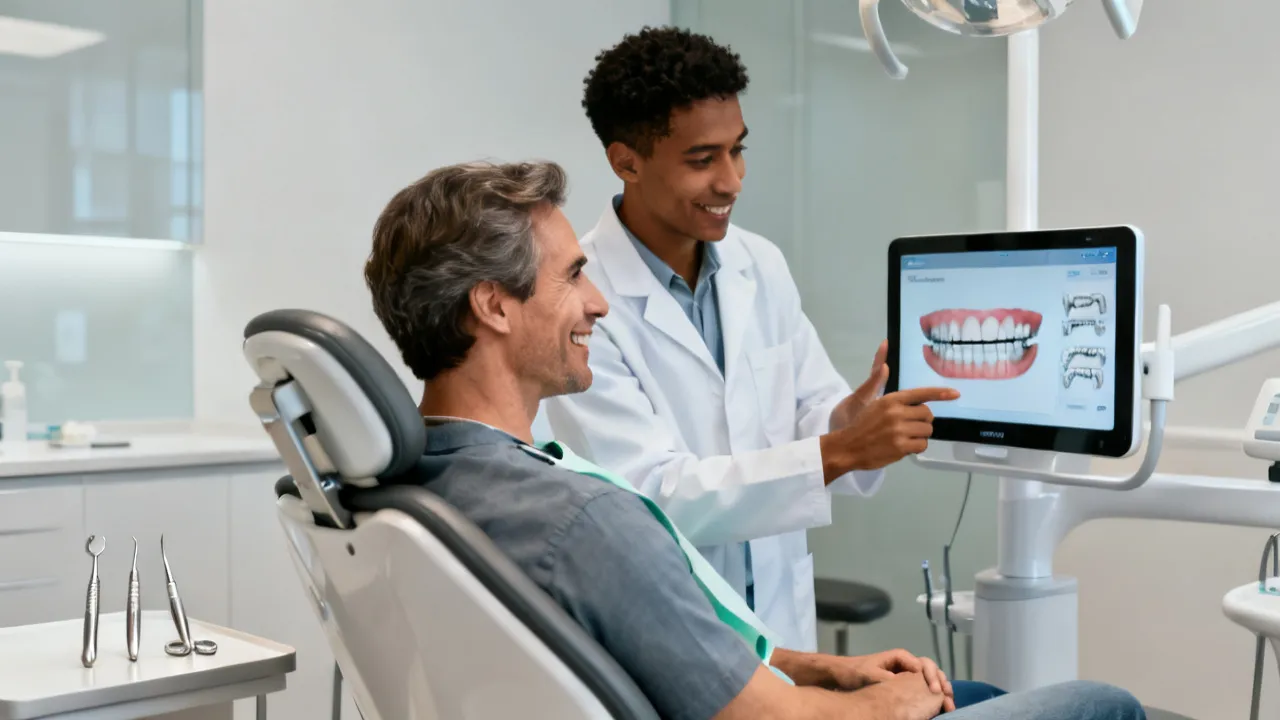
Finding an Adult Orthodontist Nearby with Implant-Aware Care
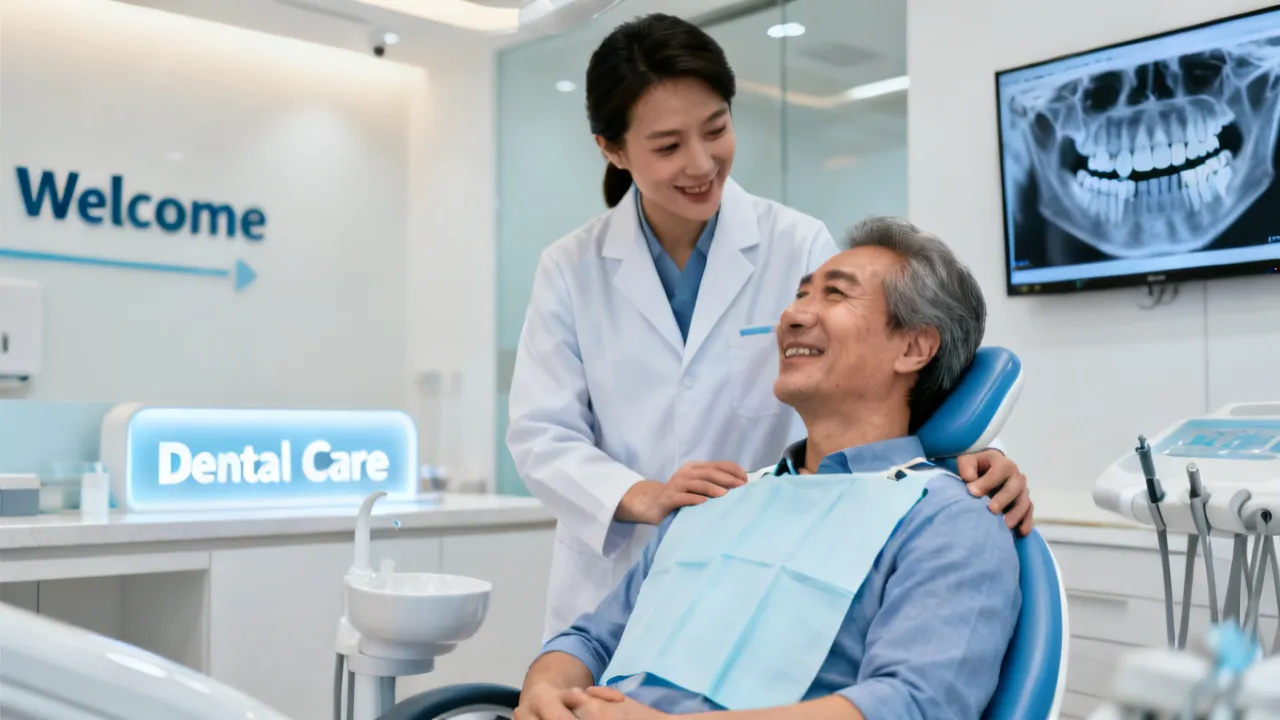
Orthodontist for Adults Near Me: Options and Implant Costs
Orthodontist for Adults Near Me: Trusted Treatment Options
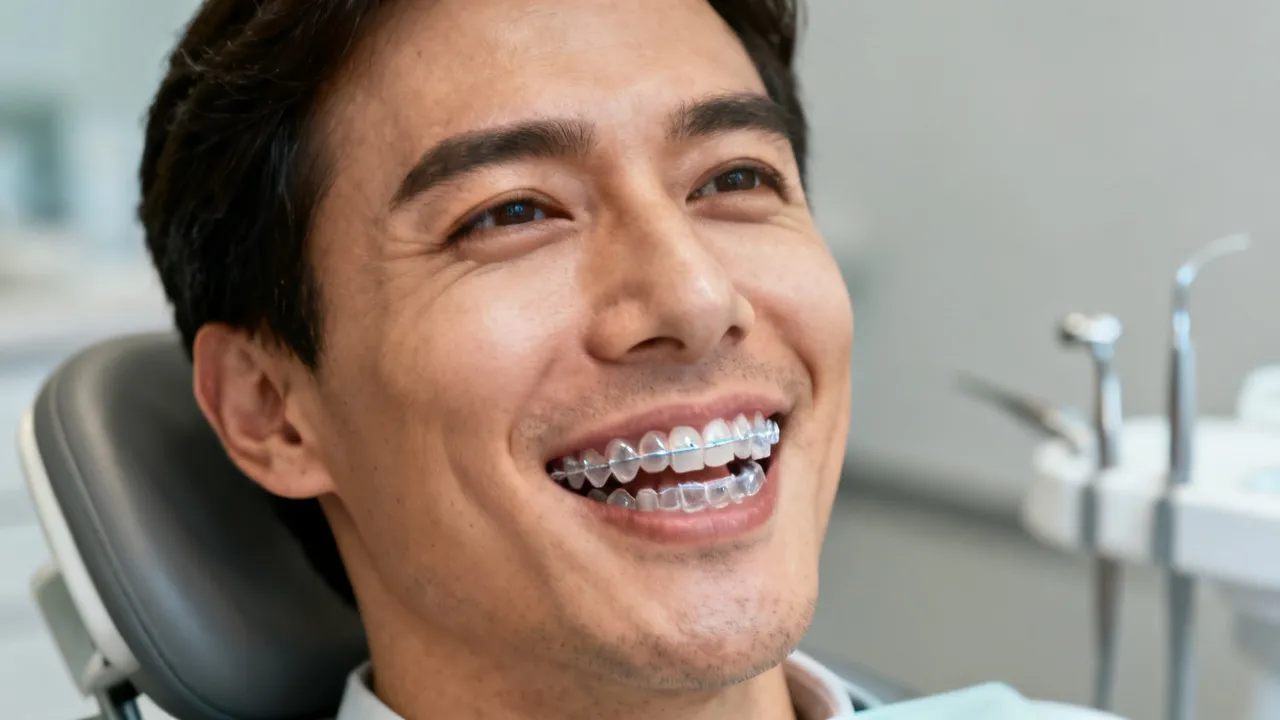
How to Choose an Orthodontist for Adults Nearby
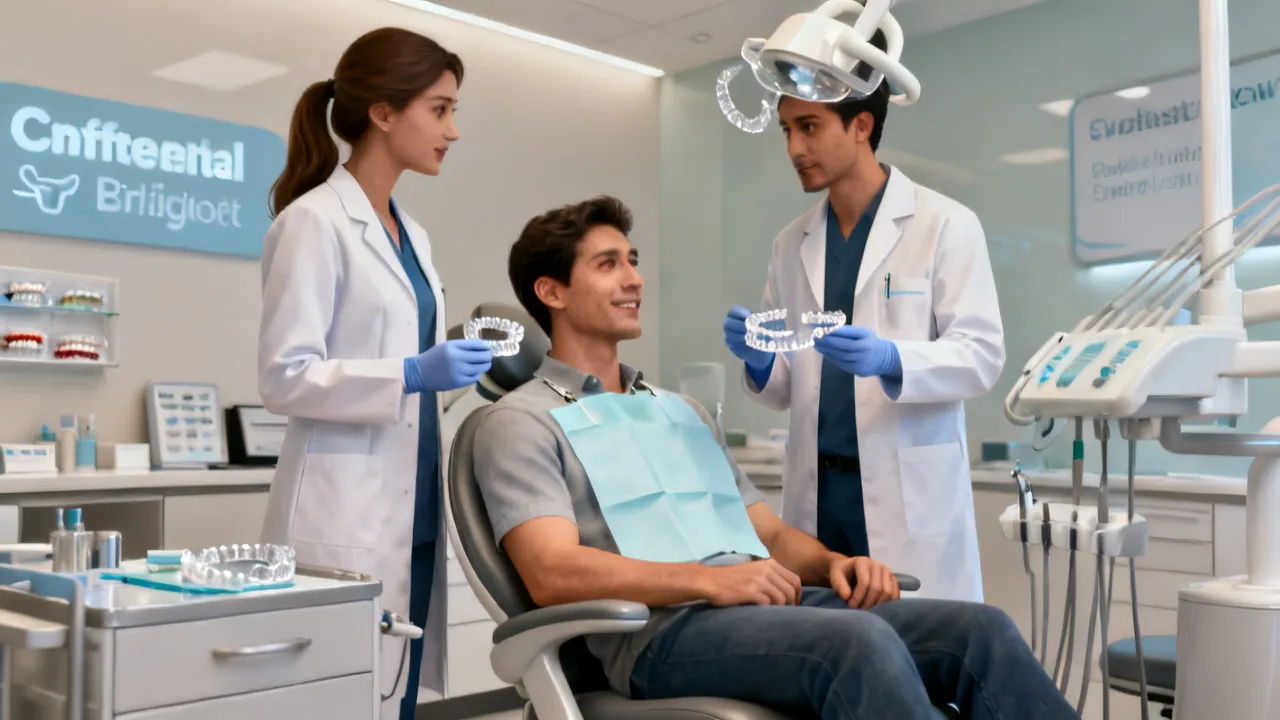
Adult Orthodontic Care: Finding a Nearby Orthodontist
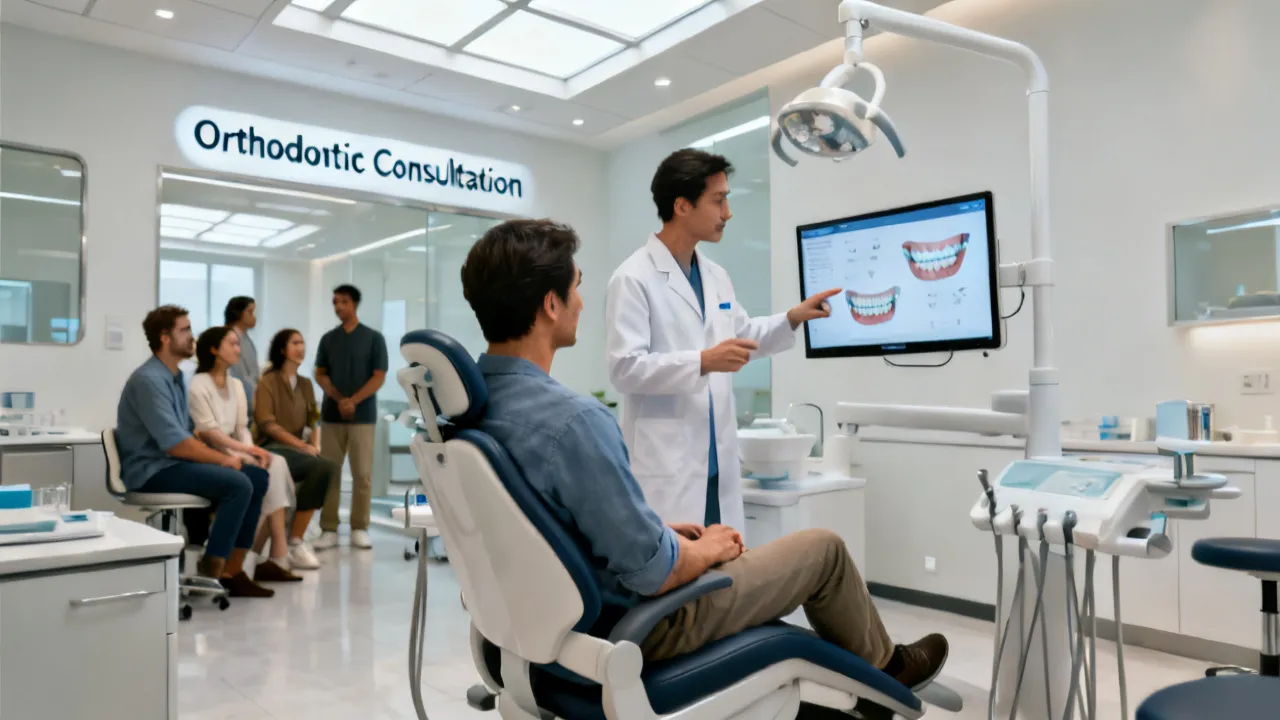
Orthodontist for Adults Near Me: Smart Options Explained
Orthodontist for Adults Near Me: Modern Options & Costs
How to Choose an Adult Orthodontist Nearby

Finding an Adult Orthodontist Nearby for Better Smiles
This guide helps you choose an Orthodontist for Adults Near Me by explaining adult orthodontic needs, evaluation steps, and how to plan for affordability. It also reviews low-cost dental implant information sources, typical implant costs across multiple English-, Spanish-, and Portuguese-speaking countries, and practical next steps based on clinical top practices.
Finding an Adult Orthodontist Nearby with Implant-Aware Care
This guide explains how to choose an Orthodontist for Adults Near Me with implant-aware planning, what “low-cost” dental implants usually means, and how costs commonly vary across countries. It provides objective decision criteria, a practical checklist, and FAQs so you can evaluate treatment options, insurance considerations, and realistic next steps before scheduling.
Orthodontist for Adults Near Me: Options and Implant Costs
This guide explains how to choose an orthodontist for adults nearby, what to expect from adult orthodontic care, and how dental implant planning fits into a wider treatment strategy. It also compares reputable online resources on low-cost implant information, outlines step-by-step pathways in English-, Spanish-, and Portuguese-speaking markets, and provides reference price ranges by country.
Orthodontist for Adults Near Me: Trusted Treatment Options
This guide explains how to find an orthodontist for adults nearby, what adult orthodontic care typically involves, and how to plan for costs—especially when dental implants and related procedures are part of the overall treatment. It also reviews how low-cost implant information sources compare clinic approaches and insurance options, with practical steps for evaluating treatment plans objectively.
How to Choose an Orthodontist for Adults Nearby
This guide explains how to find an experienced Orthodontist for Adults Near Me and what to expect from adult orthodontic care. It provides an objective overview of treatment planning, modern options like clear aligners and braces, and practical steps to manage costs. It also includes low-cost dental implant resources, country price ranges, and FAQs.
Adult Orthodontic Care: Finding a Nearby Orthodontist
This guide helps you choose an orthodontist for adults nearby, explaining how adult braces and aligners are planned, what to expect at consultations, and how dental implant affordability can be assessed alongside orthodontics. It also reviews low-cost implant information sources, typical implant pricing ranges across countries, and practical steps to reduce costs while maintaining quality and safety.