English

This guide helps you choose an Orthodontist for Adults Near Me by explaining adult orthodontic needs, evaluation steps, and how to plan for affordability. It also reviews low-cost dental implant information sources, typical implant costs across multiple English-, Spanish-, and Portuguese-speaking countries, and practical next steps based on clinical top practices.
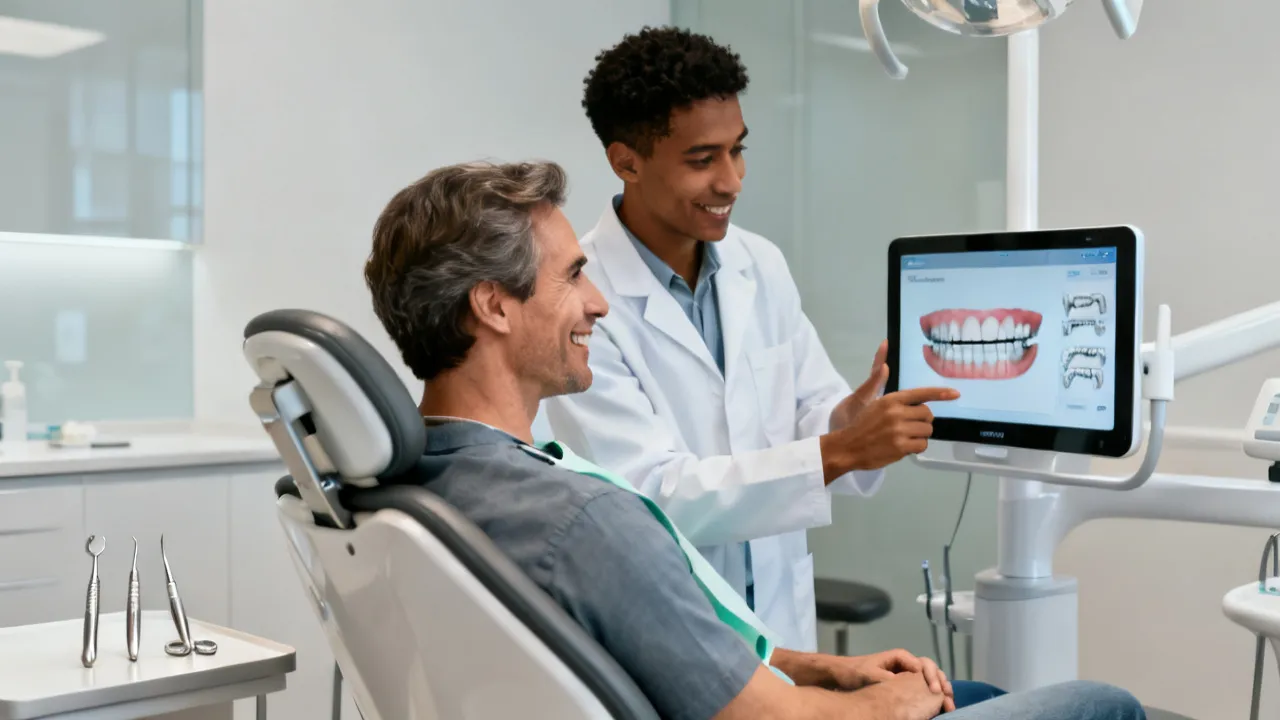
Choosing an Orthodontist for Adults Near Me is not just about location—it’s about aligning your goals (function, comfort, aesthetics, and good stability) with an evidence-based treatment plan. Adult orthodontic care differs from adolescent treatment because adult mouths often include restorative work, periodontal concerns, existing dental wear, and tooth loss. The right specialist evaluates these factors early, explains trade-offs, and coordinates with the broader dental team when implants or restorative dentistry are needed.
For many adults, the orthodontic journey also includes planning for time, finances, and the realities of day-to-day life—work schedules, family commitments, allergies or sensitivities, and the way you prefer to maintain oral hygiene. A strong adult orthodontic practice will not only provide an appliance; it will provide a process that respects your biology and your schedule.
In this guide, “choosing confidently” means understanding what adult orthodontics is actually trying to do, how treatment decisions are made, what can make outcomes more predictable, and how to evaluate “low-cost” implant conversations without letting cost push clinical quality out of the driver’s seat.
Adults commonly pursue orthodontics for reasons that are both cosmetic and functional: correcting bite alignment, improving uneven spacing, addressing crowding, closing gaps after missing teeth, refining smile symmetry, and supporting restorative outcomes. If you are searching for an Orthodontist for Adults Near Me, you are implicitly looking for timely communication, accessible follow-ups, and practical scheduling—especially when treatment includes periodic adjustments, aligner checks, or interdisciplinary care (such as periodontics, oral surgery, prosthodontics, and sometimes implant planning).
From an expert standpoint, “nearby” should also indicate that the clinic can support continuity of care: a stable treatment plan, clear documentation, and predictable monitoring. Adult orthodontics requires more than appliance placement; it requires careful risk management and good retention planning.
It can also mean something more subtle: adult orthodontics is often more “decision-heavy.” You may need to choose between options like aligners vs. braces, prioritize certain movements over others, or decide how much change is realistic given gum health and the condition of existing restorations. Having the clinic close by can make it easier to attend diagnostic appointments, manage refinement stages, and address unexpected issues (like temporary discomfort, tooth sensitivity during transitions, or the need for additional attachment/retainer adjustments).
Finally, “nearby” should ideally come with multilingual or culturally familiar communication if that matters for you. Adults often feel more comfortable when the orthodontic team can explain trade-offs clearly and administrative steps are straightforward—especially when treatment intersects with insurance, implants, or dental tourism considerations.
Adults are more likely to have variables that influence treatment complexity. A high-quality adult orthodontic evaluation typically focuses on:
In adult orthodontics, diagnosis isn’t just about straightening teeth. It’s about understanding the “system”: teeth, gums, bite forces, jaw muscles, restorations, and how everything will change during active movement and after retention.
A key adult orthodontic principle is that moving a tooth is not the only goal—moving a tooth within safe biological limits is the goal. The ability to predict stability is heavily influenced by periodontal health, root positioning, and the way teeth are maintained after treatment ends.
An expert orthodontist typically builds the plan from diagnostic records and a risk-informed approach. Common components include:
Then, the orthodontist defines what success means for you: stable bite function, controlled movement that respects periodontal support, predictable esthetics, and a retention protocol designed to reduce relapse.
In adult planning, there is also often a sequencing component—what comes first and what comes later. Many adult patients have restorations that may need reworking, or they may have missing teeth that should be addressed either before orthodontics (to create space and guide alignment) or after orthodontics (to ensure the tooth position is correct for prosthetics/implants).
For example, sometimes the orthodontist positions teeth first so that a future crown or implant crown will look natural and function properly. In other cases, periodontal stabilization or restorative adjustments might be needed before orthodontic movement can proceed safely.
To make the plan understandable, the right clinic will typically present you with:
Adults choose between braces and aligners based on tooth movement requirements, periodontal considerations, esthetic priorities, and lifestyle. Both can be appropriate—selection should be driven by clinical need, not marketing.
A specialist will explain whether your desired movements are “predictable with aligners” or whether braces offer better control. If implants or restorative dentistry are part of your plan, the sequencing matters—orthodontics may need to align tooth position before restorative steps.
For adults, the decision also depends on comfort and maintenance preferences:
Another adult-specific point: if you have restorations like crowns or bridges, aligner planning may require custom strategies to avoid damaging edges or altering the way contacts work. Braces can sometimes provide a different force distribution, but both approaches must be designed around your existing dental work.
Many adults asking for an Orthodontist for Adults Near Me also ask about replacing missing teeth—because missing teeth can worsen spacing, bite imbalance, and difficulty achieving stable orthodontic results. Dental implants can be part of a broader treatment plan. However, implant affordability is often confusing, and patient decisions can be influenced by incomplete information.
To make the process more transparent, the sections below summarize reputable information sources on low-cost implant concepts, outline step-by-step ways patients commonly reduce implant costs in {lang}-speaking contexts, and provide reference implant cost ranges by country.
It’s important to note that in many adult cases, “orthodontics” and “implant planning” are not separate topics. If you have a missing tooth, orthodontics may need to manage the space, and implants may need properly positioned adjacent teeth and correct bite relationships. This is why the best adult orthodontic providers often coordinate or refer within an established interdisciplinary network.
The following table compares major websites that provide guidance about affordability, planning, and implant-related decision-making. It is designed to help you understand what kind of information each source emphasizes.
| Website | Focus on affordability topics |
|---|---|
| dentalviews.com | Explains dental implant benefits, treatment types, process overview, and typical pricing considerations aimed at budgeting. |
| atlanticdentalgrp.com | Provides clinic service information (including implants and orthodontics) and emphasizes appointment access and service availability. |
| dentavacation.com | Describes dental tourism approaches, cost comparisons, and travel-related considerations to reduce overall expenses. |
| rockvilledentalarts.com (ES) | Highlights insurance-related understanding for Spanish-speaking users through an informational approach to dental coverage. |
source: dentalviews.com (information source)
atlanticdentalgrp.com (information source)
dentavacation.com (information source)
rockvilledentalarts.com (ES) (information source)
Lowering implant costs usually requires a combination of clinical planning and smart sourcing. While exact prices vary by case complexity and region, the typical cost-management workflow follows common principles:
In many adult affordability decisions, the “hidden cost” is not the implant itself but the downstream issues caused by poor planning—such as unfavorable crown angles, incorrect bite contacts, or inadequate bone support. A reputable clinic will address prerequisites clearly rather than pushing forward quickly.
When orthodontics and implants overlap, another hidden cost can be reworking tooth positions. If orthodontics is rushed or retention is underplanned, teeth may drift, forcing a redo of prosthetics or re-aligning before a final implant crown can be fabricated.
Below are reference ranges for one implant across selected countries. These figures are intended for planning and comparison; the final cost depends on clinical findings, required procedures, and the final prosthetic solution.
| Country | Currency | Price range (individual implant) |
|---|---|---|
| United States (US) | USD | $3,000 - $6,000 |
| United Kingdom (GB) | GBP | £2,000 - £2,500 |
| Australia (AU) | AUD | AU$3,500 - AU$6,500 |
| Canada (CA) | CAD | CA$3,000 - CA$5,500 |
| Spain (ES) | EUR | €1,500 - €2,500 |
| Chile (CL) | CLP | CLP$800,000 - CLP$1,500,000 |
| Mexico (MX) | MXN | $15,000 - $25,000 |
| Colombia (CO) | COP | $2,000,000 - $4,000,000 |
| Peru (PE) | PEN | S/ 3,000 - S/ 6,000 |
| Argentina (AR) | ARS | $80,000 - $150,000 |
| Brazil (BR) | BRL | R$3,000 - R$8,000 |
| Portugal (PT) | EUR | €1,000 - €2,000 |
| Germany (DE) | EUR | €2,000 - €3,500 |
| France (FR) | EUR | €1,500 - €2,500 |
| Italy (IT) | EUR | €1,500 - €3,000 |
| Japan (JP) | JPY | ¥300,000 - ¥700,000 |
Remember: “one implant” does not automatically mean one total fixed cost. Many patients need additional procedures such as bone grafting, sinus considerations for upper back teeth, or soft tissue management. Prosthetic fees (the crown and related components) can be a major portion of the total cost even when the implant fixture price seems affordable.
If your orthodontic plan requires changing tooth position to create appropriate spacing for an implant crown, you may also need additional orthodontic stages or retention strategies. Those orthodontic costs should be included in your overall budgeting conversation.
Cost reduction should never bypass clinical requirements. Adult orthodontic movement and implants both depend on stable biological conditions. When clinics present “low-cost” options, the top practice is to ask about prerequisites:
In practice, the orthodontist and implant team should coordinate. In many cases, that means shared records, aligned treatment timelines, and clear responsibility for each phase.
Consider what “coordination” should look like:
Without coordination, the risk is that one phase ends up dictating changes to the other, causing delays and potentially raising costs.
Adults often need more than alignment. When a missing tooth creates a space issue—or when existing restorations limit movement—your orthodontist should work with the appropriate team:
From an expert perspective, this coordination reduces “handoff errors,” which are a common hidden cost driver when adults transition between providers.
To evaluate whether coordination is happening properly, ask practical questions:
If you’re comparing clinics, use objective questions rather than relying solely on promotions. Consider asking:
Beyond questions, the clinic environment can provide clues. Adults often appreciate practices that are organized and responsive, because orthodontic care involves frequent check-ins. Clear communication, respectful scheduling, and well-explained consent processes are all signals of quality.
Another practical factor: ask how the clinic handles emergencies or urgent discomfort. Adult orthodontic issues—like a bracket coming loose, a wire poking, or aligner discomfort—are often minor, but you want confidence that you’ll be supported promptly.
Adults can benefit significantly from orthodontics for bite correction, functional improvement, and esthetic alignment. The evaluation differs because adults often have periodontal considerations, restorations, wear, and sometimes missing teeth. Many adults also want treatment that fits real schedules and includes clear retention planning to protect long-term results.
You should expect a full oral evaluation, diagnostic records (often digital scans and imaging), and a discussion of goals and constraints. A reputable clinic will also explain retention expectations and how they monitor periodontal health. In many practices, you’ll also receive a clear plan for next steps, including timelines for records processing and follow-up consultation.
Not necessarily. Total cost depends on case complexity, refinements, attachments, and retention. Some cases require additional stages. Your orthodontist should compare the full plan—not just the initial appliance type. It’s also wise to ask about the cost of replacement aligners if you lose trays or if a tray doesn’t fit due to tracking issues.
Often, yes. When tooth position must change to support implant placement or final prosthetics, orthodontics may come first. However, this depends on your anatomy and treatment goals—your specialist should propose a sequencing plan. A common goal is to ensure the implant crown will be positioned correctly relative to adjacent teeth and the planned bite.
Approaches include confirming what’s included in the estimate, using appropriate insurance/financing, obtaining second opinions when needed, and choosing providers with transparent protocols and good follow-up. Cost should be balanced against clinical appropriateness. Also consider asking about surgeon or team experience, maintenance schedules, and warranty/retreatment policies.
Be cautious if a quote does not clearly specify component coverage (implant, abutment, crown/prosthesis), if diagnostic imaging requirements are minimized without justification, or if good follow-up and maintenance guidance are unclear. Another red flag is when the plan is presented with limited discussion of prerequisites like bone health, peri-implant tissue management, and long-term maintenance.
Some patients find lower overall costs through travel for treatment, but it introduces logistical and follow-up complexity. If considered, verify clinical credentials, document scope of work, and ensure there is a plan for postoperative care and emergencies. Also ask whether there is a system for long-distance follow-up visits and how complications would be handled.
Coverage varies widely. In many contexts, insurance can reduce out-of-pocket expenses for specific services, while orthodontic coverage may depend on age, policy terms, and medical necessity criteria. Always confirm eligibility and required documentation. Ask for details about pre-authorization steps if required.
Outcome quality is primarily driven by diagnosis accuracy, appropriate movement mechanics, patient compliance with appliance wear or hygiene measures, periodontal management, and an evidence-based retention strategy. Adults also benefit from clear communication and realistic expectations, especially if they have restorations, TMJ symptoms, or gum issues that influence biomechanics.
It depends on your starting alignment, bite complexity, and whether restorative/implant steps are integrated. Your orthodontist should provide a realistic range and explain factors that can extend or shorten timelines, such as refinements. Adults should also expect that retention setup may require additional appointments and possibly retainer adjustments.
Adults searching for an Orthodontist for Adults Near Me may also want multilingual communication and familiar administrative steps—especially if they consider dental tourism or cross-clinic coordination. In Spanish-speaking communities, clinics may provide Spanish-language service pages and clearer explanations of insurance-related decisions. In Portuguese-speaking regions, many patients benefit from consolidated clinic services (orthodontics, esthetics, and implants) under one practice structure, which can simplify scheduling and documentation.
For instance, Rockville Dental Arts maintains a Spanish-language presence and communicates a broad range of dental services, while dental tourism sites such as DentaVacation emphasize cost comparisons and travel coordination for patients looking to manage budgets. Clinics like Atlantic Dental Group highlight service breadth and appointment access, which can be relevant when adult care requires regular visits. These patterns reflect a broader patient trend: affordability is more usable when it is paired with operational clarity—clear scheduling, documentation, and follow-up.
If you’re in any of these language communities, also consider the “invisible” part of successful treatment: consent forms, financial agreements, and aftercare instructions. Even when the clinician is excellent, misunderstandings can occur if forms are not available in your preferred language or if aftercare steps aren’t clearly explained.
Ask the clinic whether they can provide translations or interpreters. If you plan to involve an implant provider outside the orthodontic clinic, request that reports and imaging can be shared efficiently, and confirm whether the other clinic needs specific formats.
When you compare an Orthodontist for Adults Near Me, focus on value rather than price alone. Value includes diagnostic quality, realistic outcomes, coordination with other dental services (including implant planning), and retention protocols that protect your results. For dental implants, “low cost” should be evaluated through transparency: exactly what is included, what prerequisites are required, and what follow-up care is available.
Adults often face a unique trade-off: you might be tempted to shorten treatment or reduce follow-ups to save money. However, in adult orthodontics, the cost of skipping proper retention and maintenance can be significant. Teeth can drift; restorations may need remaking; and bite issues can resurface.
Similarly, in implant planning, choosing the cheapest option without understanding what’s included can lead to additional expense—such as grafting that wasn’t accounted for, prosthetic remakes, or management of peri-implant tissue problems that could have been prevented through better planning and maintenance.
If your reason for orthodontics includes spacing after tooth loss or you’re considering implants, the conversation becomes more detailed. You may want to ask:
Because adult orthodontics involves moving teeth near existing bone and gum margins, periodontal risk is central. Consider asking:
Retention is where adult orthodontics protects value. Because relapse tendencies can persist, adult retention planning must be evidence-based and personalized. “Good retention” usually includes a combination of:
If your orthodontist is minimizing retention to reduce cost or time, that may compromise long-term outcome. Ask for the retention plan in writing and clarify what happens if your retainer is lost, broken, or no longer fits.
Adults deserve transparent affordability discussions. A clinic that truly values quality will talk about cost as part of treatment value rather than as the only deciding factor. In practice, that often means:
In contrast, a clinic that focuses mainly on the lowest headline price may omit details that later become additional fees. Adult patients are often more vulnerable to these hidden costs because they already have complex dental histories. That’s why a good adult orthodontic provider helps you compare “like for like.”
To make decision-making easier, it helps to understand how typical adult scenarios shape appliance selection, sequencing, and retention:
Scenario A: Crowding with healthy gums and minimal restorations
If you have mild-to-moderate crowding and stable gum health, both braces and aligners may be suitable. Value comes from choosing a system that can control torque and maintain hygiene. Retention planning remains crucial.
Scenario B: Crowding plus gum recession risk
If you have thin gums, prior periodontal concerns, or existing recession, the orthodontist may reduce how far certain teeth are moved or choose mechanics that distribute forces more safely. A periodontist may be involved. Invisalign-like aligners can be considered, but the key is biological control—not just aesthetics.
Scenario C: Bite issues and possible TMJ symptoms
Adults with clenching history or TMJ symptoms may need careful evaluation. Sometimes orthodontics can improve alignment but may not “cure” joint issues. The orthodontist should discuss how they plan to monitor symptoms and avoid worsening bite imbalance.
Scenario D: Missing teeth and drifting neighbors
If a tooth is missing and adjacent teeth have drifted, orthodontics may aim to preserve or create space. Implant positioning may be planned based on the final tooth positions. This scenario strongly favors interdisciplinary coordination.
Scenario E: Existing crowns/bridges in the esthetic zone
Restorations can affect tooth movement planning and esthetic outcomes. Sometimes orthodontic movement can change how crowns contact the opposing teeth or how they appear when the bite is adjusted. Your orthodontist should coordinate with a restorative dentist for final outcome planning.
Budgeting is easier when you treat orthodontics and implants as a combined pathway rather than separate purchases. Consider building your budget in layers:
Many patients discover that the “low-cost implant quote” is missing Layer 4 prosthetic details or Layer 3 stabilization. Or they discover that orthodontics must do additional refinements because initial planning did not account for the final prosthetic goals. When you budget with layers, you reduce surprise costs.
1) The above information comes from online resources, and the data is as of October 2023. 2) Dental implant prices are for reference only and may vary by region, clinic and doctor.
Finding an Adult Orthodontist Nearby for Better Smiles
Finding an Adult Orthodontist Nearby with Implant-Aware Care
Orthodontist for Adults Near Me: Options and Implant Costs
Orthodontist for Adults Near Me: Trusted Treatment Options
How to Choose an Orthodontist for Adults Nearby
Adult Orthodontic Care: Finding a Nearby Orthodontist
Orthodontist for Adults Near Me: Smart Options Explained
Orthodontist for Adults Near Me: Modern Options & Costs
How to Choose an Adult Orthodontist Nearby

Finding an Adult Orthodontist Nearby for Better Smiles
This guide helps you choose an Orthodontist for Adults Near Me by explaining adult orthodontic needs, evaluation steps, and how to plan for affordability. It also reviews low-cost dental implant information sources, typical implant costs across multiple English-, Spanish-, and Portuguese-speaking countries, and practical next steps based on clinical top practices.
Finding an Adult Orthodontist Nearby with Implant-Aware Care
This guide explains how to choose an Orthodontist for Adults Near Me with implant-aware planning, what “low-cost” dental implants usually means, and how costs commonly vary across countries. It provides objective decision criteria, a practical checklist, and FAQs so you can evaluate treatment options, insurance considerations, and realistic next steps before scheduling.
Orthodontist for Adults Near Me: Options and Implant Costs
This guide explains how to choose an orthodontist for adults nearby, what to expect from adult orthodontic care, and how dental implant planning fits into a wider treatment strategy. It also compares reputable online resources on low-cost implant information, outlines step-by-step pathways in English-, Spanish-, and Portuguese-speaking markets, and provides reference price ranges by country.
Orthodontist for Adults Near Me: Trusted Treatment Options
This guide explains how to find an orthodontist for adults nearby, what adult orthodontic care typically involves, and how to plan for costs—especially when dental implants and related procedures are part of the overall treatment. It also reviews how low-cost implant information sources compare clinic approaches and insurance options, with practical steps for evaluating treatment plans objectively.
How to Choose an Orthodontist for Adults Nearby
This guide explains how to find an experienced Orthodontist for Adults Near Me and what to expect from adult orthodontic care. It provides an objective overview of treatment planning, modern options like clear aligners and braces, and practical steps to manage costs. It also includes low-cost dental implant resources, country price ranges, and FAQs.
Adult Orthodontic Care: Finding a Nearby Orthodontist
This guide helps you choose an orthodontist for adults nearby, explaining how adult braces and aligners are planned, what to expect at consultations, and how dental implant affordability can be assessed alongside orthodontics. It also reviews low-cost implant information sources, typical implant pricing ranges across countries, and practical steps to reduce costs while maintaining quality and safety.