English

This guide explains how to find an Orthodontist for Adults Near Me, what adult orthodontic treatment typically involves, and how implant planning intersects with orthodontics for stable bite and alignment. It also reviews low-cost dental implant options across English-, Spanish-, and Portuguese-speaking regions, includes cost ranges and step-by-step guidance, and ends with a clear disclaimer.

If you’re searching for an Orthodontist for Adults Near Me, your top outcomes usually come from a clinic that (1) evaluates your bite and overall oral health comprehensively, (2) designs a plan aligned with your age-related needs (periodontal health, bone levels, existing restorations), and (3) coordinates care when other treatments—especially dental implants—are part of the good strategy. Adult orthodontics is not simply “straightening teeth”; it’s often about improving function, comfort, chewing efficiency, bite balance, and long-term stability.
In practical terms, an experienced orthodontic team should review your dental history, evaluate gum and bone support, assess jaw relationships, and explain realistic timelines. If you also need dental implants or restorations, the plan should address how tooth movement, space creation, and implant placement can work together. The best clinics think in terms of sequences and biomechanics—not just alignment—and they communicate clearly about why certain steps must happen first.
Finally, adult orthodontics typically has an “ongoing care” component. Retention (and periodontal monitoring if gums are a concern) is not an afterthought. When you choose a provider that treats retention as part of the treatment—not a vague promise—you’re more likely to maintain results for years rather than months.
When patients look for an Orthodontist for Adults Near Me, “nearby” usually signals convenience for frequent adjustments, scans, progress checks, and follow-up visits. But clinically, proximity also matters because adult orthodontic care often requires coordinated appointments across disciplines (orthodontics, restorative dentistry, periodontics, and sometimes oral surgery). If your plan includes aligners or braces, you may need additional visits for bite checks, appliance modifications, and retention setup. If your plan includes implants, you may need specialized appointments for CBCT imaging, implant consults, surgical planning, and restorative scheduling.
Adults commonly present different starting points than adolescents: prior dental work, existing crowns, varying gum health, wear patterns, and concerns about how treatment affects chewing, speech, and appearance at work. A strong local option will communicate clearly, offer modern treatment tools (e.g., clear aligners or low-profile braces when appropriate), and set expectations for follow-up and retention.
“Nearby” should also mean reliable access to the right specialists. Sometimes it’s not a single office performing every step; it’s a local team that can coordinate with trusted partners. The question you want answered is: if something changes—your gums worsen, a crown needs adjustment, or your implant timing must shift—how quickly can the team adapt and communicate?
An expert orthodontist’s job is to diagnose more than tooth position. Adults may have:
Therefore, a high-quality “near me” orthodontic provider should offer structured diagnostic steps: clinical exam, digital imaging (often including intraoral scans), bite analysis, and a transparent discussion of risks and retention strategy.
In adult cases, the evaluation is also about understanding your priorities and constraints. For example: Do you need your front teeth to look better quickly for a work event? Are you sensitive to appliance visibility? Are you comfortable with multiple phases (alignment first, then restorations, then retention), or do you prefer a more streamlined approach? A good provider doesn’t ignore these considerations—rather, they build them into the plan while maintaining safe, evidence-based treatment sequencing.
Another adult-specific evaluation factor is tooth movement in the presence of existing bone levels. Your orthodontist might assess periodontal probing depths, analyze bone support with imaging, and evaluate whether certain tooth movements are contraindicated or require more careful forces. If you’ve had gum recession in the past, the orthodontist may discuss ways to reduce risk, including slower movement, periodontal stabilization, and a stricter retention plan.
Not every adult orthodontic patient needs implants; however, implants often appear in adult treatment pathways when teeth are missing, failing, or planned for replacement. Importantly, orthodontics may be used to:
For patients exploring both orthodontics and implants, a coordinated treatment plan can reduce the risk of misalignment, bite issues, delayed restorations, or compromised implant placement due to tooth drift.
In many cases, implant timing is determined by how much orthodontic movement is needed before surgery. For example, if a neighboring tooth has tipped into the gap where an implant will be placed, orthodontics can upright and align the adjacent teeth to preserve proper implant spacing and angulation. Conversely, sometimes the implant must be placed first to establish stable structure for orthodontic goals (especially when the missing tooth affects occlusion or when restorative plans require immediate anchoring). There’s no universal rule; the correct sequence depends on your bite, jaw relationships, and periodontal condition.
The “top nearby clinic” is often one that can either provide multi-disciplinary services or coordinate effectively with trusted specialists. That coordination should be documented: the orthodontist and implant/restorative team should share imaging, planned tooth movement goals, and bite considerations.
Many adults ask about “low-cost dental implants.” In the industry, “low cost” can arise from several legitimate factors: streamlined procedures, targeted case selection, optimized scheduling, and transparent pricing models. But the very important clinical truth remains: implant outcomes depend on patient selection, surgical technique, implant system quality, bone conditions, and restorative planning—not just the sticker price.
To make comparisons responsibly, it helps to review information sources that explain the implant process, treatment options, and cost components. A responsible clinic should be able to describe why its approach is safe and appropriate for your specific condition.
When someone says “low-cost,” it’s worth asking what that means in practice. Does it include pre-op imaging like CBCT? Does it include any required bone graft or sinus lift if needed? Does it include the temporary restoration phase? Are the abutments and the final crown included, and if so, what materials are used? Does the clinic provide long-term maintenance guidance and warranty coverage?
Also consider how “low cost” may affect the number of visits or the timing of restorations. Some approaches may shorten certain stages but still require the same overall healing. Others may reduce costs by limiting optional add-ons. The goal isn’t to avoid lower prices—it’s to ensure the lower price doesn’t eliminate essential steps.
| Website focus | What it helps you compare |
|---|---|
| DentalViews (Low Cost Dental Implants) | Implant benefits, treatment types, and pricing considerations |
| Atlantic Dental Group (Service overview) | How clinics structure implant-related care alongside other services |
| DentaVacation (Dental tourism perspective) | International cost comparisons and travel-planning considerations |
| Rockville Dental Arts (Insurance guidance via ADHP reference) | How dental coverage can affect total implant affordability |
source: www.dentalviews.com
source: www.atlanticdentalgrp.com
source: www.dentavacation.com
source: www.rockvilledentalarts.com
Note: The table above is intended to support research into cost drivers and clinical workflow; it does not guarantee outcomes.
Because your prompt indicates “{lang}-speaking countries,” the very responsible approach is to present a universally applicable, language-friendly pathway. Patients can adapt the steps for clinics in English-speaking, Spanish-speaking, or Portuguese-speaking regions—while still verifying that each step meets clinical standards.
If you want to lower cost, the most effective strategy is often to lower unnecessary expenses by avoiding guesswork: get correct imaging and a correct diagnosis first, then choose the most appropriate treatment plan. In other words, “low cost” should come from right-fit care, not from skipping essentials.
In addition, language matters for consent and understanding. If you do not fully understand bone graft options, healing timelines, or aftercare instructions, you can unintentionally increase costs through delays, missed follow-ups, or complications. So while searching for cost savings, prioritize clinics that can explain treatment in a way you can clearly understand and document.
Ask for a full assessment: clinical exam, imaging (typically panoramic radiographs and/or CBCT when indicated), gum evaluation, and an implant restorative plan. “Low cost” should be grounded in the correct diagnosis, not guesswork. If a clinic provides a price without imaging or a diagnosis, treat it as a red flag or at least as an incomplete estimate.
Low-cost offers may differ in coverage for imaging, extractions, bone grafting, temporary teeth, abutments, and the final crown. Request a line-item estimate so you can compare like-for-like. Make sure the quote clarifies whether the crown is included and what material is planned (e.g., zirconia, porcelain-fused-to-metal, etc.). Also confirm whether any laboratory fees are included.
In many cases, the cost difference arises from whether grafting or specialized preparation is required. A clear plan for bone augmentation—if needed—prevents surprise expenses later. Ask how the team evaluates bone quantity and quality and whether they recommend standard grafting, guided bone regeneration, or other methods. If sinus considerations apply (for upper molars), confirm whether a sinus lift or alternative approach is needed.
Implants often involve multiple stages. Confirm how postoperative care, sutures if applicable, restoration scheduling, and retuning of bite will be handled. Ask how often follow-up visits occur and what symptoms should prompt urgent contact. Also confirm whether the clinic provides emergency guidance for pain, swelling, or concerns about implant stability.
If available, dental insurance and payment plans can reduce out-of-pocket costs. Use reputable insurance guidance sources to understand what coverage typically applies and what documentation is required. Ask whether insurance covers imaging, extractions, or prosthetic components separately. If financing is offered, confirm the terms: APR (if any), duration, and whether missed payments affect treatment continuity.
Ask the clinic which implant system is used, how success is monitored, and how complications are managed. A serious practice will explain the “why,” not just the “price.” Look for transparency about surgeon training, restorative partnership, and how they handle cases with poor primary stability or delayed integration.
Dental tourism can reduce costs in some cases, but the real question is continuity: how you’ll manage pre-op evaluation, surgery, recovery, and good maintenance and warranty. Choose providers that clearly outline responsibilities, provide written instructions, and offer an organized follow-up plan after you return home. Consider how you will access care if you experience complications or if the restoration phase requires remakes or adjustments.
For adult patients with ongoing or planned orthodontic treatment, implant timing can be critical. Confirm whether orthodontic space creation or bite adjustments are needed before implant placement. For example, if teeth drifted into a missing tooth gap, placing an implant without orthodontic correction may lead to awkward crown alignment and bite issues.
Implant success also depends on hygiene, periodontal monitoring, and restorative care. Ask about maintenance intervals and what follow-up visits include. Confirm whether they monitor peri-implant tissues with probing or imaging. Ask about professional cleaning protocols and whether they provide guidance on home care tools like interdental brushes and floss type.
The following ranges are reference-level estimates for one implant in each country listed. Real quotes depend on bone conditions, need for grafting, complexity, temporary solutions, and the final crown or restoration plan. Think of these ranges as a starting point for questions, not as a guarantee of what you will pay.
It’s also important to remember that implants sometimes come with additional costs that aren’t always obvious in initial marketing. For example, if you need a tooth extraction, bone graft, a temporary tooth, additional imaging, or a staged restoration plan, your final cost can increase. Conversely, some clinics may offer lower implant costs but price the final crown separately. Always request an itemized breakdown to ensure you’re comparing apples to apples.
| Country | Currency | Price range |
|---|---|---|
| United States | USD | $3,000 - $6,000 |
| United Kingdom | GBP | £2,000 - £2,500 |
| Australia | AUD | AU$3,500 - AU$6,500 |
| Canada | CAD | CA$3,000 - CA$5,500 |
| Spain | EUR | €1,500 - €2,500 |
| Chile | CLP | CLP$800,000 - CLP$1,500,000 |
| Mexico | MXN | $15,000 - $25,000 |
| Colombia | COP | $2,000,000 - $4,000,000 |
| Peru | PEN | S/ 3,000 - S/ 6,000 |
| Argentina | ARS | $80,000 - $150,000 |
| Brazil | BRL | R$3,000 - R$8,000 |
| Portugal | EUR | €1,000 - €2,000 |
| Germany | EUR | €2,000 - €3,500 |
| France | EUR | €1,500 - €2,500 |
| Italy | EUR | €1,500 - €3,000 |
| Japan | JPY | ¥300,000 - ¥700,000 |
Adult orthodontic and implant affordability can be influenced by how clinics structure appointments, provide multilingual support, and coordinate specialty referrals. Some clinics offer a single “treatment coordinator” who helps you understand the workflow and paperwork. Others require patients to manage multiple specialist offices on their own. For adults—especially busy professionals—having a coordinated local plan can reduce indirect costs such as time off work, repeated imaging, and missed appointments.
Communication style matters, too. Clear instructions for orthodontic appointments (e.g., aligner wear time, care for brackets, what to do if a bracket breaks) reduce treatment interruptions. Clear instructions for implant aftercare (e.g., swelling expectations, hygiene protocols, what foods to avoid) reduce the likelihood of complications that can raise costs.
Finally, in regions where there are many clinics, differentiating “low cost” from “low value” is crucial. Clinics that invest in imaging technology, digital workflows, and structured retention protocols may charge differently. If those costs feel high, ask what’s included. Sometimes a more “expensive” quote actually costs less overall because it avoids rework and delays.
In English-speaking settings, patients often expect transparent consult processes, digital documentation, and standardized treatment pathways. Clinics may also emphasize insurance literacy and financing options. Example information resources include:
Patients searching for an Orthodontist for Adults Near Me in these contexts may benefit from requesting a printout or digital summary of the orthodontic plan, including appliance type, projected stages, and retention expectations. It can also help to ask for a written list of what you can expect during each stage (e.g., initial leveling and alignment, space management, bite correction, finishing and detailing, retention delivery).
In many English-speaking regions, patients also use patient portals and digital checklists. If available, request access to those tools. They can reduce confusion about appointment schedules and help ensure that follow-ups for retention are not missed after the active orthodontic phase ends.
For Spanish-speaking communities, patient experience often depends on communication clarity and culturally accessible explanations of treatment. Spanish-language clinic resources can improve understanding of stages, consent, and follow-up responsibilities. Relevant references include:
If you’re looking for an Orthodontist for Adults Near Me in Spanish-speaking regions, consider choosing practices that can explain treatment options in Spanish and offer organized paperwork for consent and follow-up.
It’s also helpful to ask whether a clinic provides bilingual staff for chairside interpretation, especially during consent and treatment planning. Misunderstanding surgical steps, medication instructions, or orthodontic wear protocols can lead to delays and extra visits. If language barriers are a concern, ask the clinic directly how they handle communication for complex cases involving implants or multi-disciplinary planning.
In Portuguese-speaking countries, patients may value clinics that explain aesthetic and functional outcomes with practical scheduling. Examples of referenced local providers and services include:
When you seek an Orthodontist for Adults Near Me in Portuguese-speaking areas, ask whether the clinic can coordinate with prosthodontic and restorative services if your bite needs good corrections.
For adult patients, scheduling flexibility and the ability to manage multiple phases can influence total cost. If restorations are needed, it may matter how quickly your restorative dentist can evaluate and finalize crowns after orthodontic finishing. Sometimes the “hidden” cost is time: delaying crown placement can prolong discomfort and increase the risk of changes in bite or tooth position.
From an industry expert perspective, the “right” adult orthodontist is the one whose diagnostic process and planning logic match your clinical needs. Consider these selection questions:
Cost transparency is especially important for adult orthodontics because treatment plans may change when clinicians discover additional issues during imaging or exams. If a clinic clearly explains the “what if” scenarios, you’re less likely to face surprises mid-treatment.
Adult orthodontics typically requires more attention to gum health, existing restorations, tooth wear, and stability planning. While the biomechanical fundamentals of tooth movement remain, adults often need deeper coordination with restorative or periodontal care to protect good function.
Adults may also have different expectations. For example, an adult may require minimal time off work, may be more concerned about appearance, and may need a faster pathway to improved bite comfort. Teen orthodontics often focuses on growth-related changes; adult orthodontics focuses on careful force application, bone support evaluation, and risk management.
Use location as convenience, but choose based on diagnostic thoroughness and plan clarity. Ask how they evaluate your bite and gum support, what retention strategy they recommend, and whether they coordinate when you have missing teeth or consider implants.
You can also ask for examples of similar adult cases they’ve treated—especially cases involving restorations, periodontal considerations, or implant planning. A good clinic will be comfortable explaining how they handle these complex scenarios.
Often, yes—but timing matters. In many cases, orthodontics can create appropriate space and align teeth so the implant crown fits the bite and aesthetic goals. Your team should decide whether orthodontics comes before, after, or alongside implant planning.
In some cases, orthodontics may also help improve the bite so that implant crown loading is distributed more favorably. This can be part of long-term implant success. However, the orthodontist must coordinate with the surgeon/restorative dentist to ensure that movement doesn’t compromise healing windows.
Affordability can be achieved through efficiency and transparent case selection, but “low cost” should never mean hidden compromises. Ask what is included, which implant system is used, how bone conditions are addressed, and what follow-up and warranty processes apply.
If the clinic cannot explain the diagnosis, the treatment staging, or the maintenance plan, you should be cautious. Safety is not just about the implant itself; it also includes pre-op planning, post-op care, restorative design, and monitoring.
Common components include diagnostic imaging, surgical placement (including any extractions), implant components (implant and abutment), and the final restoration (crown) in a staged process. However, “included” varies by clinic—request itemization.
Sometimes pricing varies depending on whether you need bone grafting. Sometimes it varies depending on whether the clinic provides a temporary tooth during healing. If you compare two quotes, make sure you’re comparing the same type of crown material and the same staging plan.
No. Country ranges are reference points only. Your personal quote depends on bone density and volume, need for grafting or sinus considerations, number of implants, and restorative design requirements.
Also, local market competition, clinic overhead, and differences in included services can affect the final price. Always request an itemized quote, and don’t rely solely on broad ranges.
Key risks include limited continuity of care after travel, differing clinical protocols, and potential language barriers. To reduce risk, choose providers that provide clear pre-op evaluation, transparent warranties, and an organized follow-up plan after you return home.
Additional risks include recovery complications while far from your surgical team, and delays in restoration fitting if the timeline doesn’t match your return schedule. If you travel, ask the clinic how they handle post-travel concerns. Also confirm who will manage complications if they occur after your warranty period.
Duration varies based on complexity—jaw alignment, bite correction, spacing, and the need for restorations or implant coordination. A credible clinic will provide a staged timeline and explain what could change it.
Adults sometimes experience changes in timeline if aligner tracking is affected by tooth surfaces (e.g., crowns that don’t bond well with attachments) or if periodontal health needs stabilization before certain movements. A clinic that discusses these variables upfront can help you plan realistically.
It often requires regular appointments for adjustments, scans, and bite checks. Many clinics offer flexible scheduling and modern digital monitoring. Ask how appointment frequency compares for your chosen appliance type.
Clear aligner plans may reduce some in-office adjustment visits, but they still require periodic checkups and retention planning. Braces may require more frequent adjustments early on. Your orthodontist should share the expected visit schedule so you can coordinate time off work.
Adult orthodontics offers options that can be less visible than traditional braces, such as clear aligners or low-profile appliances when clinically appropriate. Your orthodontist should confirm feasibility based on your bite complexity, tooth movement needs, and retention requirements.
It’s also worth discussing “appearance over time.” For example, aligners might be less visible at the beginning, but you might still need attachments that are tooth-colored. Braces can look bulkier but may sometimes provide more efficient control for certain bite issues. The best choice depends on your specific orthodontic goals.
In addition to these items, it’s useful to bring a list of medications you take (including blood thinners, anti-resorptive drugs, or medications that affect gum health). Some medications can influence periodontal conditions and bone metabolism, and your orthodontist should know to adjust the plan appropriately. If you grind or clench, mention it; orthodontic treatment might include protective measures such as bite guards, especially if your bite issues are active.
Also consider documenting your goals. For example, “I want my front teeth to align without a big change in my bite pain,” or “I want to maintain gum health and avoid further recession,” or “I need the implant placement timing to align with a particular work schedule.” Clinics that respond to your goals often design better and more personalized plans.
Finding an Orthodontist for Adults Near Me is about more than proximity. Adults need clinically rigorous diagnosis, realistic planning, and stability-focused retention. If missing teeth or implant considerations are part of your situation, coordination between orthodontics and implant-restorative planning becomes a decisive factor. By comparing clinics responsibly—reviewing what’s included in fees, asking about imaging and retention, and ensuring continuity of care—you can align your appearance goals with functional outcomes.
A strong adult orthodontic experience is usually defined by clarity: you understand what problem is being treated, why the plan makes sense, what risks exist, what changes may require re-planning, and how retention will be managed after active treatment. When those elements are present, adult orthodontic care becomes not just a cosmetic improvement, but a long-term investment in comfortable chewing, stable bite relationships, and healthier teeth.
If cost is a major concern, remember that the best “low-cost” strategies usually come from correct diagnosis and careful staging, not from skipping steps. Whether you pursue implants, orthodontics, or both, the most cost-effective plan is often the one that reduces rework and protects long-term outcomes.
1) The above information comes from online resources, and the data is as of October 2023.
2) Dental implant prices are for reference only and may vary by region, clinic and doctor.
https://dentalviews.com/low-cost-dental-implants/
https://www.atlanticdentalgrp.com/
https://www.dentavacation.com/
https://rockvilledentalarts.com/es/
https://www.cigna.com/es-us/knowledge-center/guide-to-dental-implants
https://unioncityminidentalimplants.com/es/
https://www.rubiodonto.com.br/
https://odontologiavelasco.com.br/
https://dentalvidas.com.br/
Finding an Adult Orthodontist Nearby for Better Smiles
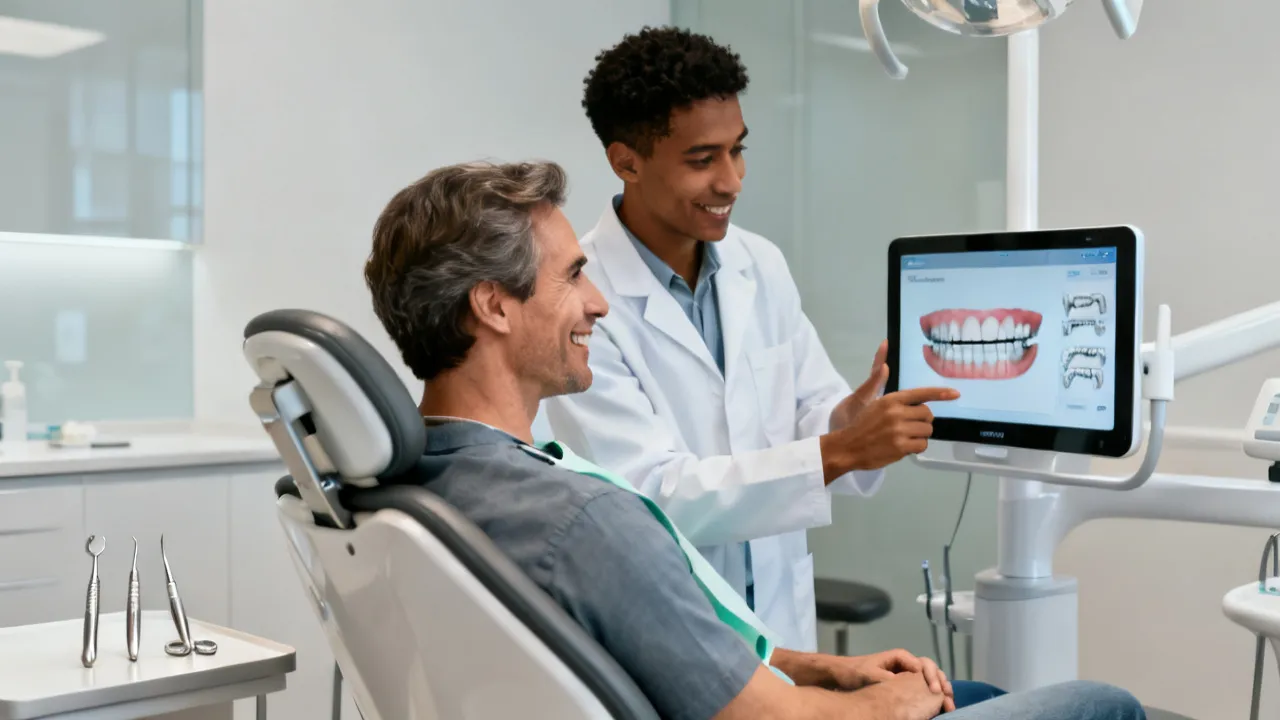
Finding an Adult Orthodontist Nearby with Implant-Aware Care
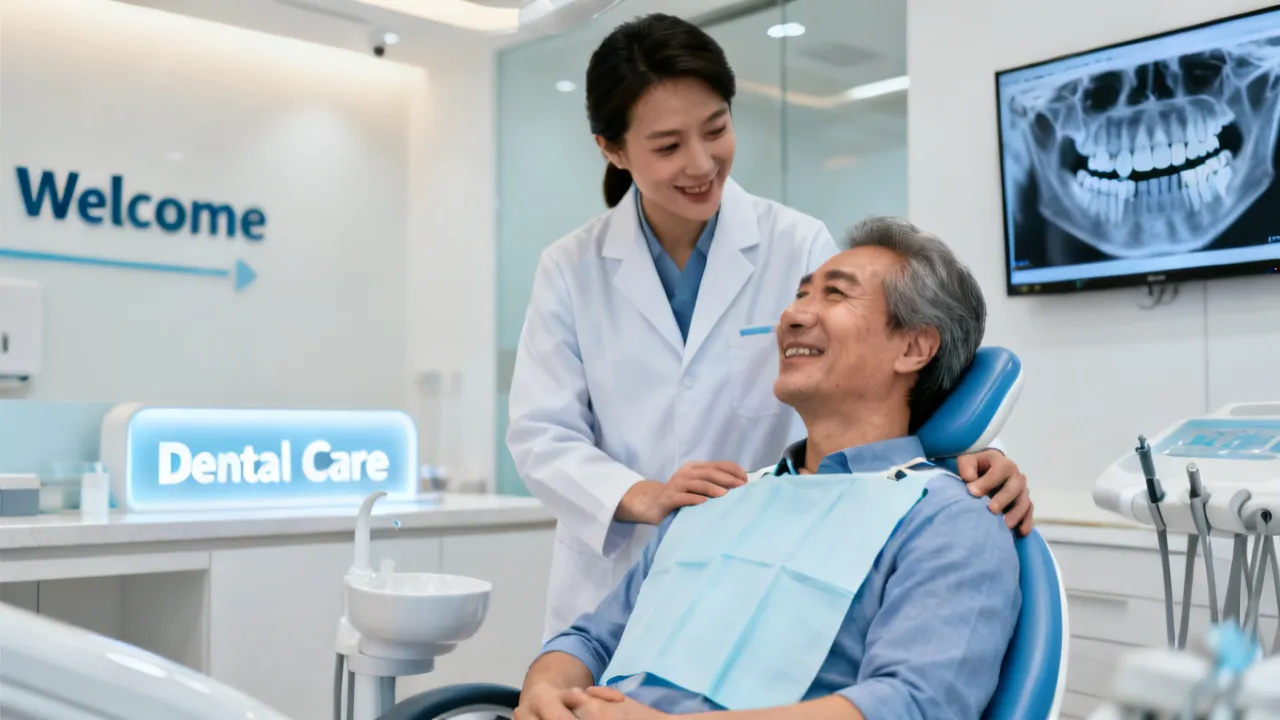
Orthodontist for Adults Near Me: Options and Implant Costs
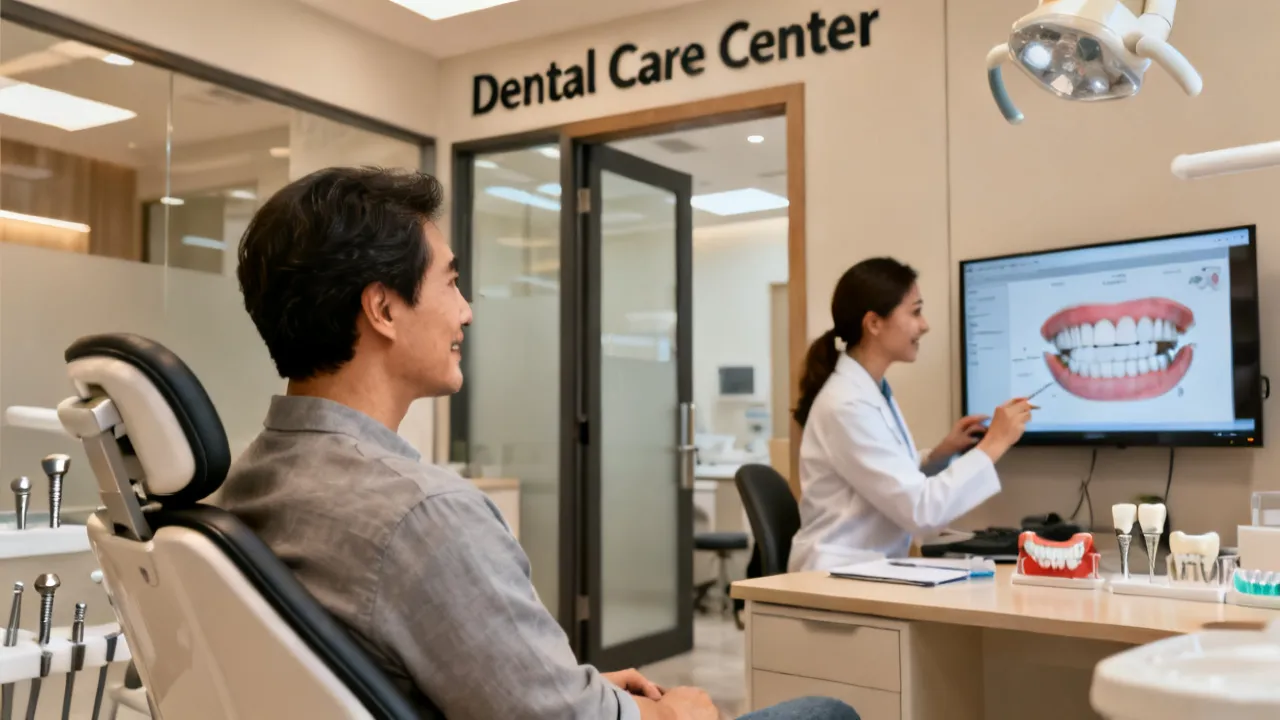
Orthodontist for Adults Near Me: Trusted Treatment Options
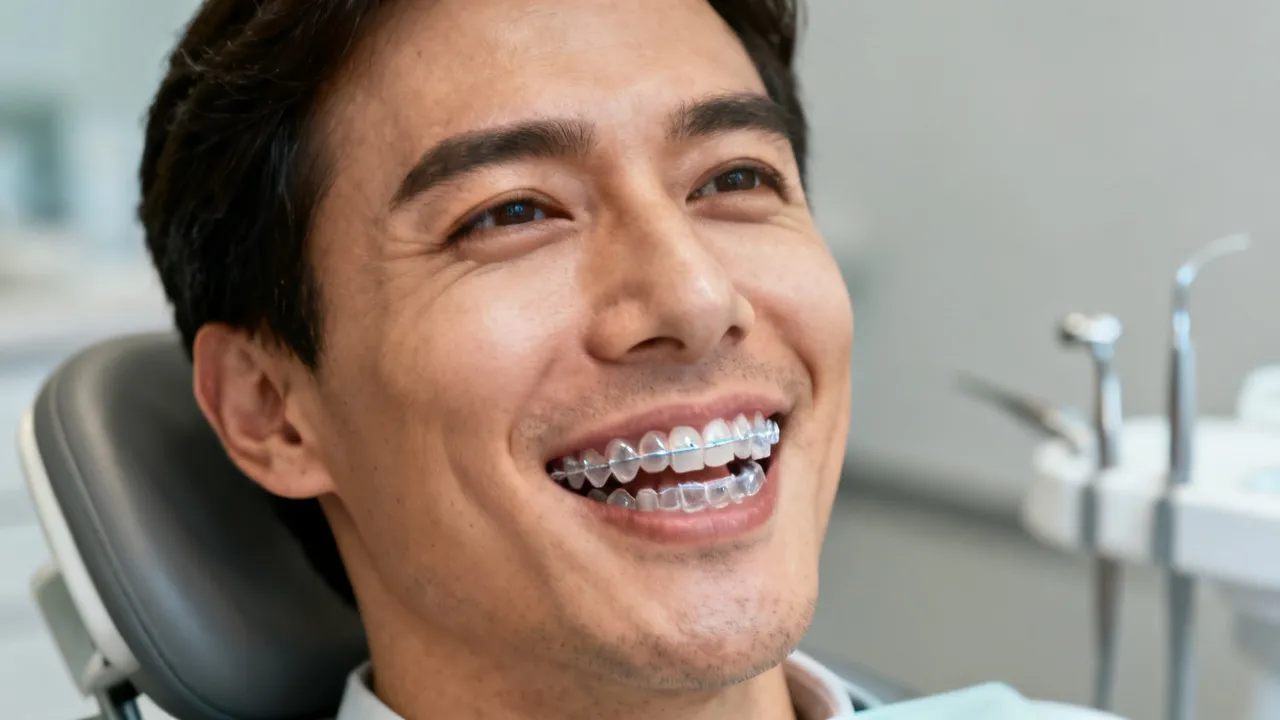
How to Choose an Orthodontist for Adults Nearby
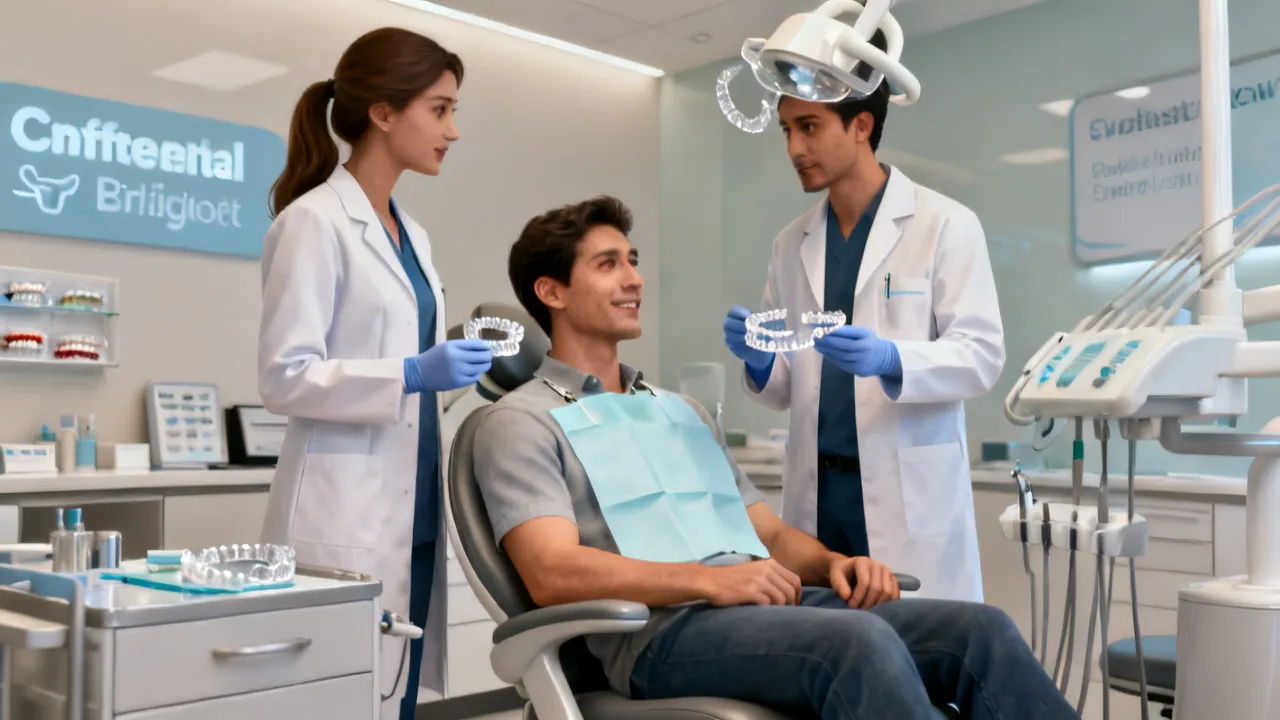
Adult Orthodontic Care: Finding a Nearby Orthodontist
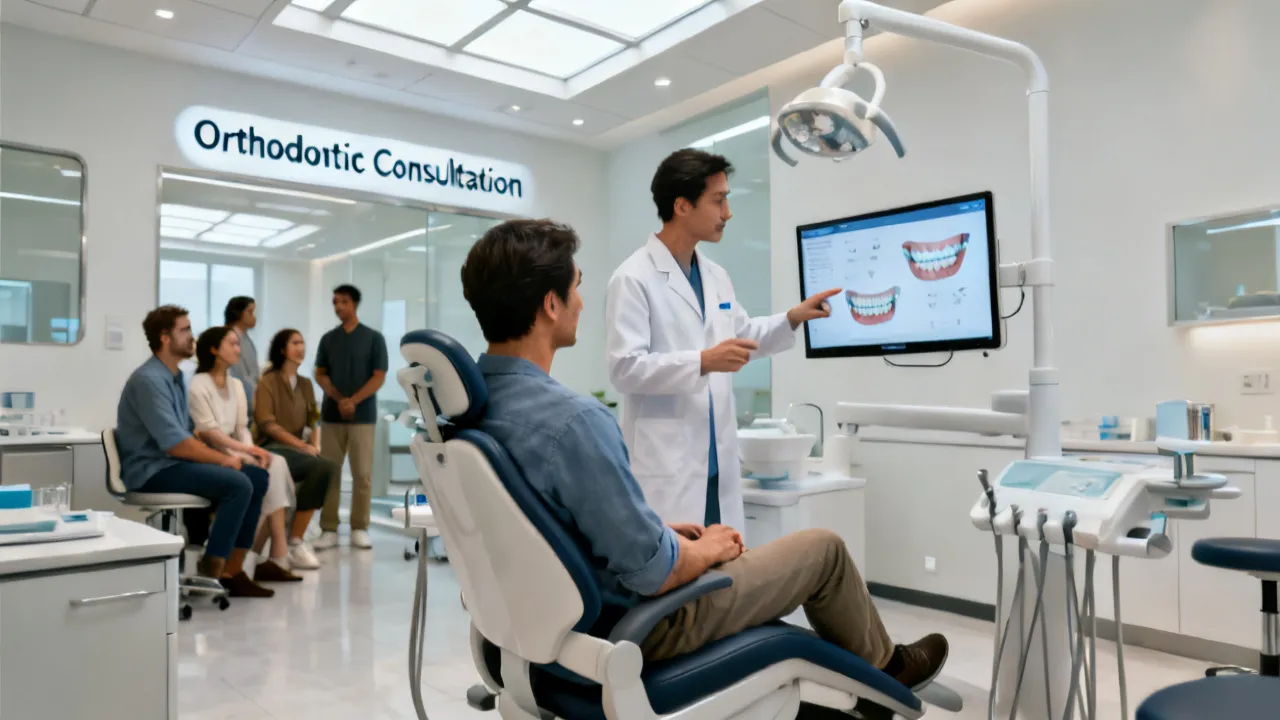
Orthodontist for Adults Near Me: Smart Options Explained
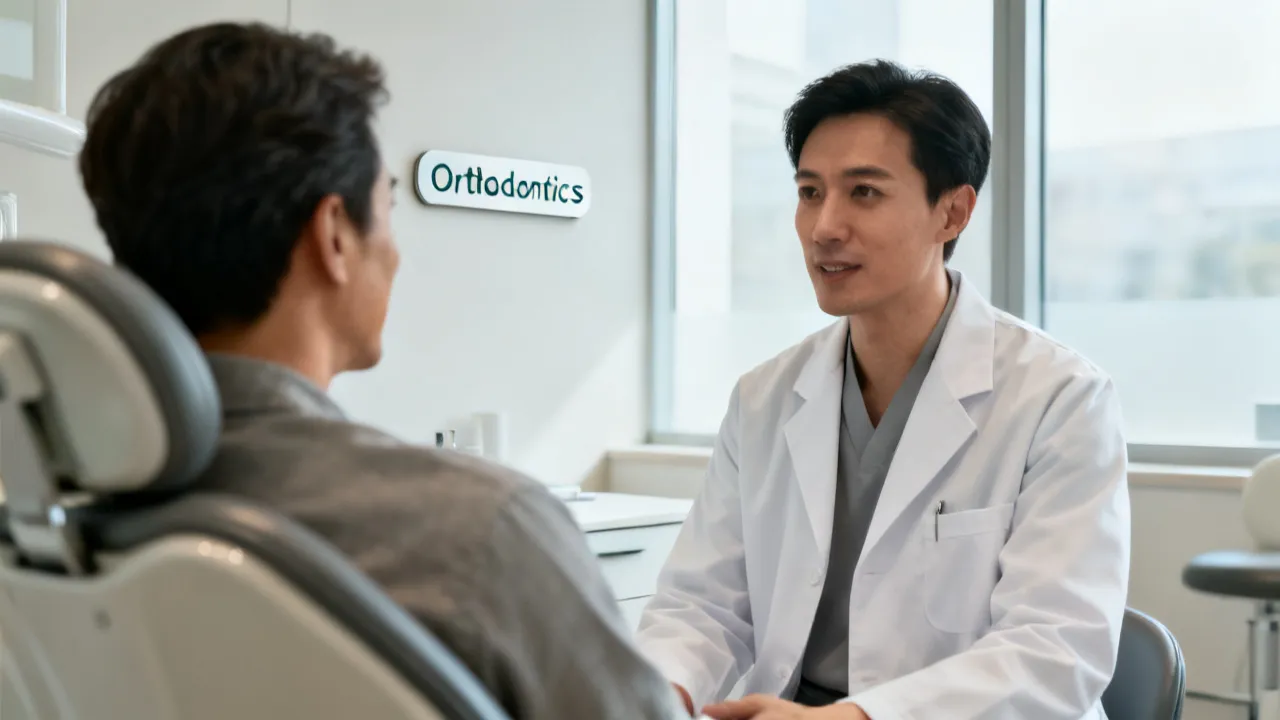
Orthodontist for Adults Near Me: Modern Options & Costs
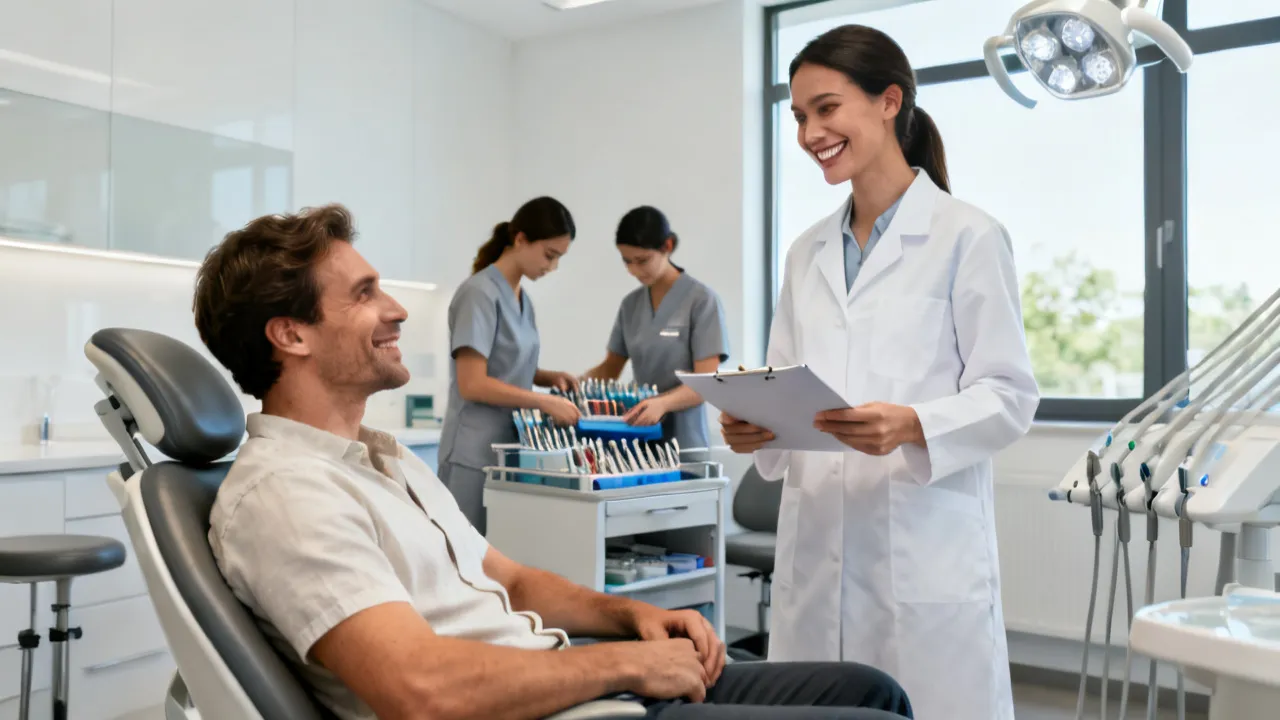
How to Choose an Adult Orthodontist Nearby
Finding an Adult Orthodontist Nearby for Better Smiles
This guide helps you choose an Orthodontist for Adults Near Me by explaining adult orthodontic needs, evaluation steps, and how to plan for affordability. It also reviews low-cost dental implant information sources, typical implant costs across multiple English-, Spanish-, and Portuguese-speaking countries, and practical next steps based on clinical top practices.
Finding an Adult Orthodontist Nearby with Implant-Aware Care
This guide explains how to choose an Orthodontist for Adults Near Me with implant-aware planning, what “low-cost” dental implants usually means, and how costs commonly vary across countries. It provides objective decision criteria, a practical checklist, and FAQs so you can evaluate treatment options, insurance considerations, and realistic next steps before scheduling.
Orthodontist for Adults Near Me: Options and Implant Costs
This guide explains how to choose an orthodontist for adults nearby, what to expect from adult orthodontic care, and how dental implant planning fits into a wider treatment strategy. It also compares reputable online resources on low-cost implant information, outlines step-by-step pathways in English-, Spanish-, and Portuguese-speaking markets, and provides reference price ranges by country.
Orthodontist for Adults Near Me: Trusted Treatment Options
This guide explains how to find an orthodontist for adults nearby, what adult orthodontic care typically involves, and how to plan for costs—especially when dental implants and related procedures are part of the overall treatment. It also reviews how low-cost implant information sources compare clinic approaches and insurance options, with practical steps for evaluating treatment plans objectively.
How to Choose an Orthodontist for Adults Nearby
This guide explains how to find an experienced Orthodontist for Adults Near Me and what to expect from adult orthodontic care. It provides an objective overview of treatment planning, modern options like clear aligners and braces, and practical steps to manage costs. It also includes low-cost dental implant resources, country price ranges, and FAQs.
Adult Orthodontic Care: Finding a Nearby Orthodontist
This guide helps you choose an orthodontist for adults nearby, explaining how adult braces and aligners are planned, what to expect at consultations, and how dental implant affordability can be assessed alongside orthodontics. It also reviews low-cost implant information sources, typical implant pricing ranges across countries, and practical steps to reduce costs while maintaining quality and safety.