English

This guide explains what to expect when searching for an Orthodontist for Adults Near Me, including evaluation steps, treatment pathways, and practical ways to manage expenses. It also reviews how dental implant pricing differs by country and how low-cost information is typically sourced. The goal is objective, patient-centered decision support.
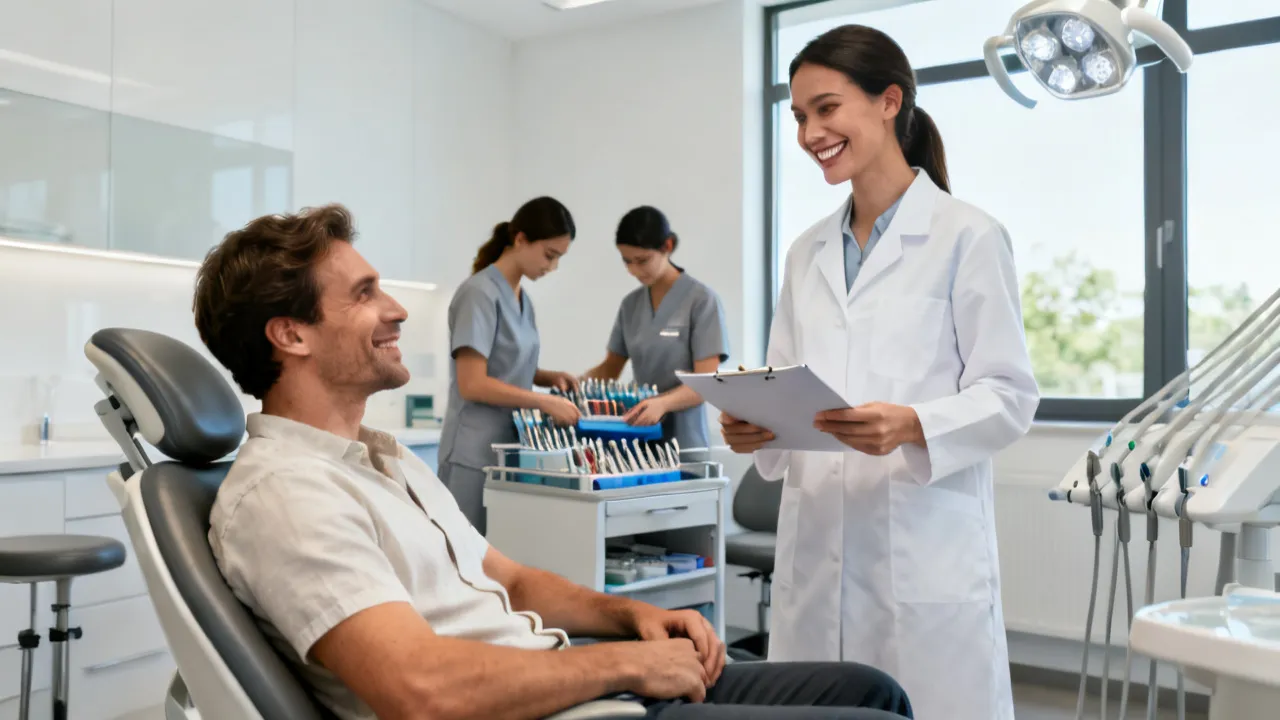
Choosing an Orthodontist for Adults Near Me is less about convenience alone and more about whether the orthodontist’s training matches your needs—aligning teeth, correcting bite problems, planning esthetics, and coordinating with restorative or surgical treatment when necessary. Adult orthodontics often involves complex factors such as prior dental work (crowns, bridges, implants), gum health considerations, tooth stability, realistic timelines for functional and cosmetic outcomes, and the long-term maintenance required to protect your investment.
Adults are also dealing with more variables than teenagers. A teenager may have developing teeth and jaw growth that can be leveraged for correction. An adult typically does not have that same advantage; instead, the orthodontist must predict tooth movement within existing bone and periodontal conditions. That means the orthodontic plan must be biomechanically sound and biologically conservative. If your teeth have been stable for years, changing them safely requires controlled forces, careful anchorage, and meticulous tracking. If you have fillings, crowns, root canals, or gum recession, orthodontic mechanics must be designed around structural limitations and sensitivity considerations.
From an industry-expert perspective, the very important early step is a comprehensive diagnostic process: confirming the cause of misalignment, evaluating bone and periodontal status, checking bite function, and determining whether orthodontics can be done safely before, after, or alongside other dental procedures. When adults search online—especially with phrasing like “nearby”—they are usually comparing location convenience, appointment availability, and perceived affordability. Yet the right plan depends on clinical fit, not just price. A “cheap consultation” or “low-cost orthodontics ad” can become expensive if critical diagnostics are skipped or if the sequence of care fails to account for crowns, gum health, or missing teeth.
In practical terms, adult orthodontic decisions often begin with a single question: “Can this orthodontist plan my case responsibly?” The answer depends on how they diagnose you, how they explain risks, what records they use, and whether they coordinate with other specialists when your case is outside a straightforward alignment scenario. Adults often want an outcome that looks natural, feels comfortable, and supports long-term oral health—not just a temporary cosmetic change. That’s why selecting the right orthodontic specialist is the foundation of both your results and your comfort.
Adult orthodontic patients commonly fall into one of these categories:
While teens often benefit from growth-related correction and orthodontic changes can sometimes be more forgiving due to natural development, adults rely more on controlled tooth movement, anchorage strategies, and careful periodontal management. Adults may also need treatment sequencing—such as addressing failing restorations first, stabilizing periodontal conditions, or coordinating with implant placement if a missing tooth impacts bite mechanics.
Adult orthodontics also frequently involves esthetic constraints. A teenager might be less concerned about minor visible changes or bite discomfort if they’re still early in their adult transition. Adults, on the other hand, may have weddings, job interviews, photos, leadership roles, and social obligations. A good adult orthodontic provider discusses how appliances will look, how quickly visible changes might begin, and what to expect regarding speech, comfort, and appearance during the different phases.
From a clinical standpoint, adults present a broader range of tooth structure conditions: enamel wear, existing restorations, enamel fractures, gum recession, and differing crown-to-root ratios due to age and previous dental events. These factors influence orthodontic force limits. For example, teeth with compromised periodontal support might require a more conservative force system or even alternative treatment goals focused on stabilization rather than full movement.
Adults may also have developed bite patterns over time—sometimes as a result of missing teeth, uneven contact points, or long-standing habits such as clenching. Orthodontic planning for adults must therefore be function-aware. It should consider how your jaw closes, where your teeth first touch, and how the bite distributes pressure during chewing. The goal is not only to move teeth into alignment, but also to achieve a bite that behaves predictably without creating new overload points.
When you contact clinics that market an Orthodontist for Adults Near Me, you will typically see several treatment pathways. The “best” option depends on your dental status and orthodontic goals, including the magnitude and direction of tooth movement needed, your bone and gum health, and your tolerance for appliance visibility and maintenance requirements.
It also depends on your priorities. Some adults primarily want discreet appearance and prefer removable options. Others want the fastest possible correction, or they prioritize affordability. A specialist’s job is to align your expectations with what is biologically achievable. In many cases, the “best” option is not the one with the lowest price sticker—it’s the one that matches your anatomy, your restorations, and your ability to adhere to follow-up and retention.
Clear aligners can be effective for many alignment concerns, especially crowding, certain spacing issues, and some bite corrections. Clinicians choose this route based on tooth movement feasibility, predicted tracking of teeth, attachment needs, root positioning, and patient compliance.
Adult aligner therapy often includes attachments—small bonded tooth-colored “buttons” that help aligners grip specific teeth and achieve controlled movements. If the provider ignores attachment planning or fails to discuss compliance requirements (such as wearing aligners for the recommended daily hours), outcomes may be inconsistent. Adults should understand that clear aligners are not a “set it and forget it” product. They require active participation: wearing them consistently, attending scheduled check-ins, and using the planned refinement steps if additional aligners are needed.
Another important adult consideration is whether your current dental restorations will interfere with aligner seating or bonding areas. Crowns and bridges can alter how attachments bond or how aligners track around contours. Some cases require modified approaches or a combined orthodontic plan with restorative adjustment after alignment.
Traditional braces may be preferred when tooth movements are more complex—such as significant rotations, torque adjustments (controlling tooth root inclination), or certain bite corrections that benefit from fixed control. Fixed appliances can reduce dependence on patient removal behavior and can be beneficial when multiple teeth need coordinated changes.
For adults, braces can still offer customization: modern brackets may be smaller, and some systems use tooth-colored or low-profile options. However, adults should still anticipate a period of adjustment for comfort and oral hygiene. Fixed appliances also require consistent cleaning routines because plaque can accumulate around brackets, increasing risk for gum irritation and enamel demineralization if hygiene is inconsistent.
From a treatment-safety perspective, braces may be particularly useful when clinicians must control tooth movement precisely in three dimensions. Adults often appreciate that braces are less dependent on daily compliance than removable aligners. But the tradeoff is visible hardware and a more structured day-to-day care routine.
Adults missing teeth sometimes require orthodontics to optimize spacing and occlusion before implant placement—or orthodontic changes that accommodate a planned implant position. This coordination is where orthodontic and restorative/surgical planning becomes especially important.
For example, an orthodontist may create proper space for an implant by moving neighboring teeth, controlling how the bite closes on the future replacement tooth. If the orthodontic space is wrong—too narrow or too wide—the implant crown may not fit the bite properly or may create unfavorable contact points with opposing teeth. Orthodontics can also influence the final smile line by controlling the height and position of teeth adjacent to the missing space.
In coordinated cases, timing matters. Sometimes orthodontics is done first to create spacing and align the bite, after which the implant is placed and healing occurs. In other situations, a restorative plan may be drafted first to determine implant feasibility, and orthodontic movement may be timed around surgery and bone integration. Adults should ask how the provider sequences treatment and whether they coordinate directly with an implant-restorative dentist or oral surgeon.
Adults frequently present with gum recession, restorations, or prior root canal therapy. A competent adult orthodontic practice evaluates periodontal stability and restoration quality, then designs forces that do not compromise good tooth health.
Periodontal health is not just a “nice-to-have.” Orthodontics moves teeth through bone and stresses the supporting ligament. If the gums are inflamed or the bone support is unstable, orthodontic movement can increase risk for worsening recession or mobility. Therefore, adults with gum concerns often need additional periodontal evaluation and—sometimes—periodontal treatment prior to starting orthodontics.
Restorations can also affect orthodontic planning. If you have crowns or fillings, the orthodontist must consider margins, bonding potential, and whether orthodontic movement could alter bite contacts. In some cases, a crown needs to be adjusted or replaced after orthodontic alignment so that it fits the new bite and does not create high spots that contribute to wear or discomfort.
Similarly, adults with implants or partial bridges require careful integration. Fixed prosthetics might limit orthodontic movement or require strategic planning so orthodontic forces do not overload implant-supported components. A provider who works only within a narrow orthodontic scope may struggle in complex restorative cases; a specialist who understands integration can prevent complications.
If you are searching for an Orthodontist for Adults Near Me, the quality of the diagnostic process is often the clearest indicator of how well the clinic will manage complexity. A typical expert workflow includes the following:
In well-run adult orthodontic practices, these steps are not shortcuts. Adults typically have more variables, so diagnostic thoroughness helps reduce mid-treatment surprises, including unexpected discomfort, slower-than-expected tooth movement, or complications with restorations and periodontal tissues.
When adult patients skip this diagnostic stage—or choose a provider based largely on marketing—they sometimes end up with a plan that looks good initially but lacks clinical depth. For example, an aligner plan might not account for root proximity, leading to safety compromises or the need for refinements. Or a provider might not consider periodontal stability, resulting in gum irritation during treatment. An evidence-based diagnostic approach reduces these risk factors.
Many adults exploring orthodontics also face restorative decisions, including replacing missing teeth with implants. Even when your immediate goal is tooth alignment, the presence of a missing tooth can influence bite mechanics, anchorage, and treatment design. That is why many people cross-search topics like dental implants and orthodontics when they look for an Orthodontist for Adults Near Me.
To keep decision-making evidence-based, it helps to understand where low-cost implant information typically comes from. In practice, patients compare not only the procedure itself but also consultation fees, imaging, surgical staging, abutments, and the cost of implant-supported restoration (the crown or bridge component). Clinics that provide detailed breakdowns tend to help patients plan more realistically. If you only compare headline numbers without understanding what’s included, it’s easy to underestimate your eventual total cost.
It’s also important to recognize that implants and orthodontics can be sequential or simultaneous. A low-cost implant offer might not include the orthodontic work needed to create the correct spacing. Conversely, a low-cost orthodontic plan might not coordinate with the restorative team for an eventual implant position. This disconnect can cause rework: additional orthodontic adjustments, re-scans, crown remakes, or additional visits.
Therefore, adult patients should treat cost information as a starting point, not a final decision. The right specialist will translate cost into a medically appropriate treatment scope. This includes discussing what you may need in addition to “alignment,” such as gum stabilization, restorative evaluation, or implant coordination.
| Website focus | How it helps patients understand “low cost” | Notable informational angle |
|---|---|---|
| DentalViews | Explains implant benefits and treatment categories | Emphasis on implant process details and cost/FAQ framing |
| Atlantic Dental Group | Clinic-based service overview | Broad service menus including orthodontics, implants, and scheduling context |
| DentaVacation | Dental tourism cost-saving comparisons | Focus on traveling abroad to access lower pricing |
| Rockville Dental Arts (Spanish) | Local services communicated in Spanish | Patient-access and service variety (implants, whitening, orthodontics, emergency care) |
| Cigna (Spanish) | Insurance education for implants | Consumer-friendly explanation of implant components and decision factors |
source: [www.dentalviews.com](https://dentalviews.com/low-cost-dental-implants/) ; [www.atlanticdentalgrp.com](https://www.atlanticdentalgrp.com/) ; [www.dentavacation.com](https://www.dentavacation.com/) ; [www.rockvilledentalarts.com](https://rockvilledentalarts.com/es/) ; [www.cigna.com](https://www.cigna.com/es-us/knowledge-center/guide-to-dental-implants)
Note: These resources differ in purpose—some provide educational content, others guide insurance understanding, and some focus on clinic services or dental tourism. They are useful starting points, but you should still request a clinical estimate after your own exam and records.
If your search includes Spanish-language resources or you live in a Spanish-speaking market, lowering implant expenses often comes down to combining clinical choice with administrative planning. Below is a structured approach that patients commonly use, presented objectively as decision pathways rather than guarantees.
For patients comparing options in Spanish-speaking communities, the practical objective is not merely the lowest advertised number, but the lowest trustworthy total cost for a complete treatment scope that is medically suitable.
This is especially relevant for adults because orthodontics and implants can be linked. A low-cost implant plan without orthodontic sequencing might produce a final bite that is hard to correct later. Conversely, an orthodontic plan without implant coordination might not leave ideal spacing or occlusal support for a future implant crown.
Below are reference ranges for individual dental implants by country and currency, intended to support budgeting conversations. Actual costs can vary significantly based on clinical complexity (bone quality, need for grafting, crown materials, and surgeon experience), and based on whether the price includes imaging, surgical guidance, and restoration components.
Because adult orthodontics can influence implant timing and spacing, it’s also worth remembering that the implant “cost range” may not include orthodontic care required to make the implant position correct in your bite. For adults, a realistic budget should consider both the implant and any orthodontic preparation or restorative adjustments.
| Country | Currency | Price range (individual implant) |
|---|---|---|
| United States | USD | $3,000 - $6,000 |
| United Kingdom | GBP | £2,000 - £2,500 |
| Australia | AUD | AU$3,500 - AU$6,500 |
| Canada | CAD | CA$3,000 - CA$5,500 |
| Spain | EUR | €1,500 - €2,500 |
| Chile | CLP | CLP$800,000 - CLP$1,500,000 |
| Mexico | MXN | $15,000 - $25,000 |
| Colombia | COP | $2,000,000 - $4,000,000 |
| Peru | PEN | S/ 3,000 - S/ 6,000 |
| Argentina | ARS | $80,000 - $150,000 |
| Brazil | BRL | R$3,000 - R$8,000 |
| Portugal | EUR | €1,000 - €2,000 |
| Germany | EUR | €2,000 - €3,500 |
| France | EUR | €1,500 - €2,500 |
| Italy | EUR | €1,500 - €3,000 |
| Japan | JPY | ¥300,000 - ¥700,000 |
Because adult orthodontics can require coordination across disciplines, your consultation questions should probe both clinical competence and planning maturity. Consider asking the following:
This question set is especially relevant when you search for an Orthodontist for Adults Near Me with a clear budget target. A good clinic will translate “cost” into “treatment scope,” which is the only sensible way to compare offers. They should be able to explain what makes your case complex (or not complex), what procedures are truly necessary, and what can be reasonably deferred.
In addition, adults should ask about practical comfort and logistics. For example: How do they manage pain and soreness during early adjustments? How do they address ulceration from braces or aligner edges? What is the process if an aligner is lost or broken? A specialist who has systems for these issues typically provides a smoother experience, which matters because adult orthodontics is a long-term commitment.
Very adults benefit from an orthodontic evaluation when teeth alignment or bite function is contributing to issues such as uneven wear, recurring trauma to gums, or restorative fit problems. However, clinicians often coordinate with periodontists, prosthodontists, or oral surgeons. During your intake, ask what collaboration is recommended for your specific case.
A useful way to think about it is: if your problem is primarily tooth position or bite relationship, orthodontics is likely part of the solution. If your problem is mainly tooth structure or replacement (like missing teeth) then you might need restorative care. Many adult cases involve both—alignment influences how restorations fit and how long they last.
Clear aligners can be effective for many adult orthodontic needs, particularly for alignment and certain bite corrections. Suitability depends on predicted tooth movement, attachment needs, root positioning, and compliance with wear. A diagnostic records review is the deciding factor.
Adults should also consider whether they have habits that make aligner compliance difficult (for instance, frequent schedule changes that make daily wear inconsistent). A good provider will set expectations clearly and offer alternatives if aligners are not optimal for your case.
Adult timelines vary widely. Some cases finish in a few months, while others require longer, especially when bite correction or complex mechanics are involved. Clinicians typically base timeline expectations on severity, dental health status, and response to initial adjustments.
Adults should also ask how “timeline flexibility” is handled. Some plans involve refinements or additional aligners. Others might require extra visits for braces adjustments. Understanding the structure of adjustments helps you plan your work and life schedule.
Yes. Orthodontic movement should be planned around periodontal stability. Adults with active gum disease require appropriate management before or during orthodontic care, and the orthodontist should coordinate monitoring with relevant dental professionals.
It’s also important to recognize that orthodontic movement can reveal underlying periodontal issues. For example, moving a tooth may alter how forces load the gums or how plaque is retained around brackets or attachments. A strong provider monitors these factors and adjusts strategy to protect tissue health.
Often, yes—coordination may be required. If you are missing a tooth, your orthodontist may adjust spacing and occlusion so that implant placement supports the bite correctly. Treatment sequencing should be planned with radiographic and clinical records.
Adults should ask whether the orthodontist coordinates directly with the implant dentist/oral surgeon and whether they have a protocol for managing timing around implant healing and bite changes. If orthodontic appliances are in place during implant healing, the provider should discuss how forces and occlusal contacts will be managed.
Responsible cost management includes asking for itemized estimates, verifying what is included, checking insurance coverage where available, discussing financing, and ensuring the chosen plan matches your clinical needs. Low-cost strategies that omit necessary procedures can lead to higher good costs if rework becomes necessary.
One practical approach is to prioritize the “must-do” components that prevent failure: periodontal stabilization, necessary imaging, and correct sequencing around implants. Then you can discuss optional elements if appropriate (for example, cosmetic add-ons after alignment). The key is not to eliminate medically necessary parts simply to reduce the short-term number.
Look at appointment availability, provider experience in adult cases, clarity of treatment communication, and the clinic’s approach to diagnostics and retention. Adult orthodontics benefits from continuity and careful follow-up.
You should also consider whether the clinic is accessible when you need emergency care—like a broken bracket or a damaged aligner. Since adult orthodontic treatment involves regular adjustments, convenient scheduling can reduce stress and improve adherence.
They are helpful for budgeting conversations, but they are not substitutes for an in-person evaluation. Bone levels, need for grafting, crown materials, and treatment scope can shift the final cost.
For adults, it’s also possible that orthodontics affects the implant scope. For instance, the position of adjacent teeth can determine implant spacing and the final prosthetic design. Therefore, budgeting should consider the full plan rather than the implant line item alone.
In professional orthodontics, outcomes are influenced by treatment mechanics, monitoring frequency, retention strategy, and patient-specific factors such as periodontal health and compliance. For adults, the “value” of care is not only the treatment itself but also risk reduction: anticipating how existing restorations interact with tooth movement, how anchorage is managed, and how good stability is protected.
Evidence-based planning includes selecting mechanics that move teeth in controlled ways. Controlled movement reduces the risk of unwanted side effects, such as root resorption, excessive tipping, or creating occlusal discrepancies. Adults often have less tolerance for prolonged discomfort, so efficient planning and proper adjustments contribute to a better overall experience.
Additionally, good adult orthodontic care includes a retention plan designed to prevent relapse. Teeth have biological tendencies to return toward their original positions. If retention is underemphasized or if retainers are not used as recommended, alignment can deteriorate. Adults may think they can “skip retention” because they feel the teeth look stable—but relapse can happen over time, especially in cases involving significant movement.
Similarly, when adults compare implant options—especially where low-cost messaging is common—the key technical question is whether the plan addresses the full biological and restorative scope required for a durable implant-supported tooth replacement. Educational resources and clinic pages can help explain the general process; however, a personalized diagnosis remains the foundation for accurate estimates.
In other words, cost and outcomes are connected through planning. When a clinic does not fully evaluate bone and gum conditions, the risk of needing additional procedures increases. If additional grafting, revisions, or restoration replacements become necessary, the “cheap” initial price becomes a more expensive final story. That’s why adults should treat diagnostic thoroughness as part of the value equation.
Many adults search beyond English when comparing nearby services. In Spanish-speaking communities, for instance, clinics and informational pages that provide Spanish-language content can improve comprehension of procedures, aftercare, and administrative steps. A patient who understands the treatment plan clearly is more likely to adhere to follow-up instructions—an essential factor in both orthodontic retention and implant success.
Likewise, Portuguese-language dental clinics, insurance plans, and implant explainers in Portuguese-speaking regions can reduce friction for patients evaluating options. For patients in these markets, the practical benefit is not “lower cost” by default, but better information clarity and easier communication, which supports safer decisions.
Language access is more than convenience. Adult orthodontic care includes detailed instructions: how often to wear aligners, how to clean around attachments, what foods to avoid during early stages, what to do if something breaks, and how to maintain retention long-term. After implant surgery, patients must understand hygiene steps, medication guidance, and warning signs that require follow-up. When instructions are understood and not misunderstood, outcomes tend to improve because patients can respond early to issues.
Furthermore, clear communication supports realistic expectations. Adult patients often worry about how long treatment will take, how much discomfort they will experience, and whether their smile will look acceptable during the process. When providers discuss these issues in the patient’s preferred language, adults can make informed decisions that are aligned with their lifestyle.
It can be helpful to think through a few common adult scenarios that show why starting with the right orthodontic specialist matters.
Imagine you are an adult with moderate crowding and a crown on one molar. A less thorough provider might treat alignment without checking the crown margins and occlusion behavior after movement. But a specialist typically evaluates how moving teeth will affect bite contacts against that crown. If orthodontics changes the occlusal load distribution, the crown could become a “high spot” that contributes to wear, sensitivity, or gum inflammation. A specialist may either plan movement to preserve contact patterns or coordinate restorative adjustment after orthodontic alignment to ensure the bite is stable.
Some adults want clear aligners because they are discreet. However, if gum health is unstable or there is active inflammation, orthodontic movement might worsen recession or mobility risks. A specialist checks periodontal status and may coordinate with a periodontist. The “right specialist” doesn’t simply approve aligners because the patient prefers them; they evaluate whether aligners are safe and whether periodontal stabilization is needed first.
If you’re missing a tooth, implant placement might be the long-term goal. But the position of neighboring teeth determines implant spacing and how the final crown will sit in the bite. A clinic that treats orthodontics and implants as separate projects might place you into orthodontic care without considering the future implant position. A well-coordinated team may sequence care so that spacing, bite closure, and smile esthetics align with the implant plan. This can prevent the need for additional orthodontic corrections later and supports a more predictable restorative outcome.
Some adults search for orthodontics because they want their teeth to look better. But jaw symptoms and enamel wear can indicate bite overload or parafunctional habits like clenching and grinding. A responsible orthodontist evaluates functional problems and discusses whether orthodontic correction alone will address the cause. Sometimes additional supportive care—such as a bite guard, functional assessment, or coordination with a TMJ-focused specialist—is necessary. The right specialist won’t promise a single treatment will solve all issues without assessing the underlying functional drivers.
Adults often look for low-cost orthodontics and low-cost implants because the overall cost of dental care can be substantial. But low cost is only meaningful if it is connected to a complete and appropriate treatment scope. In adult dentistry, “hidden costs” often arise when care is sequenced incorrectly or when critical diagnostics are missed.
For instance, you might see an attractive implant price, but the quote might not include bone grafting, follow-up visits, or the final crown. Another example: orthodontic treatment might be offered at a low monthly price, but the cost might exclude retainer fabrication or include limited refinements. When you compare quotes without itemization, the “best price” can become misleading.
Sequencing is also crucial. If you need both orthodontics and implants, your timeline may involve preparation, space creation, implant healing, and restoration. A clinic that coordinates the timeline can minimize rework. A clinic that does not coordinate can lead to delays. Delays can be expensive because you may require additional appointments, additional scans, or changes in appliance plans due to shifting conditions over time.
From an adult patient perspective, the best approach is to request itemized estimates and then ask how each component contributes to the final outcome. That might include asking: What happens if I need a refinement? What happens if I need additional periodontal treatment? If a crown must be adjusted after orthodontics, is that included or discussed? A good adult orthodontic team provides clarity upfront.
Retention is not an afterthought in adult orthodontics. In fact, it is often the difference between “straight teeth for a while” and “straight teeth for years.” Adults typically choose orthodontics because they want a stable, confidence-enhancing result. But if retainers are not planned properly or not used consistently, teeth can relapse toward their original positions.
Retention planning typically involves:
A skilled provider explains retention in detail and treats it as part of the treatment, not just a final product you receive. Adults benefit when their orthodontist sets expectations for long-term wear, because busy adult schedules can otherwise lead to inconsistent retainer usage.
If you’re comparing multiple clinics, you can evaluate them with a structured approach. Here is a practical comparison checklist:
Adults often assume that one clinic is “better” because of branding or advertising. But for adult outcomes, the difference is usually in diagnostics, communication depth, and the clinical plan’s ability to integrate with restorative needs.
1) The above information comes from online resources, and the data is as of October 2023.
2) Dental implant prices are for reference only and may vary by region, clinic and doctor.
Finding an Adult Orthodontist Nearby for Better Smiles
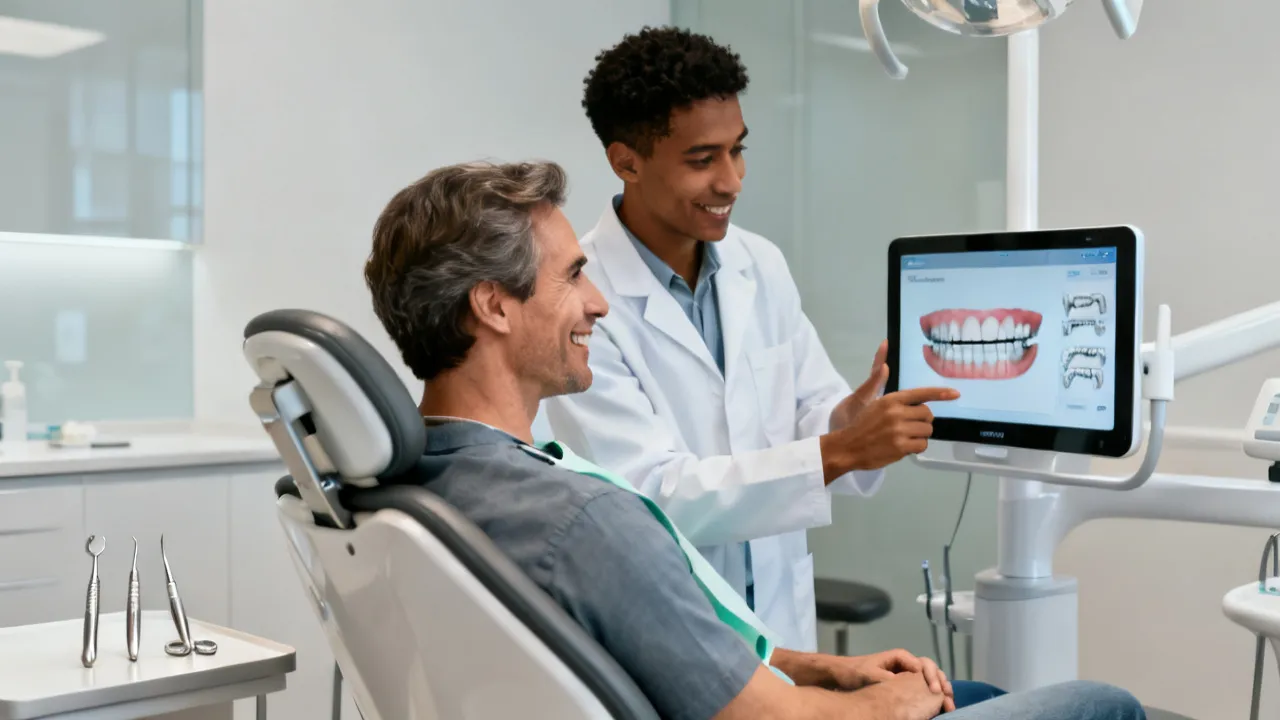
Finding an Adult Orthodontist Nearby with Implant-Aware Care
Orthodontist for Adults Near Me: Options and Implant Costs
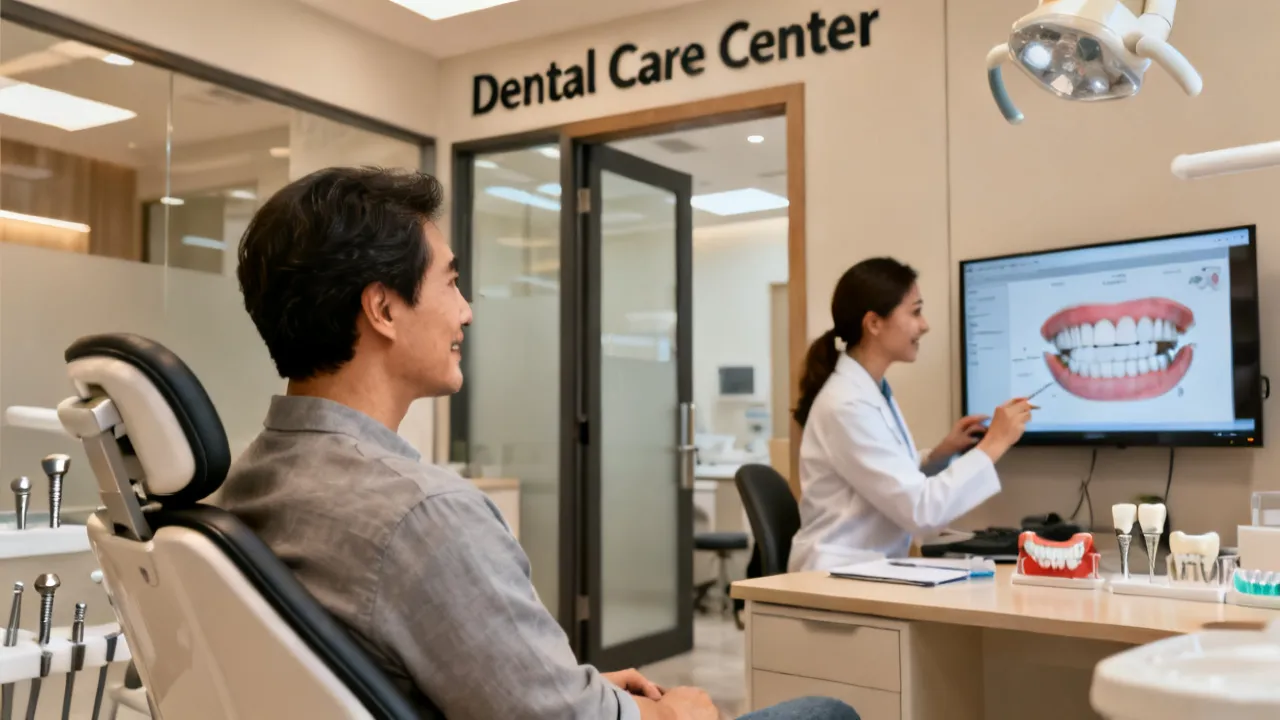
Orthodontist for Adults Near Me: Trusted Treatment Options
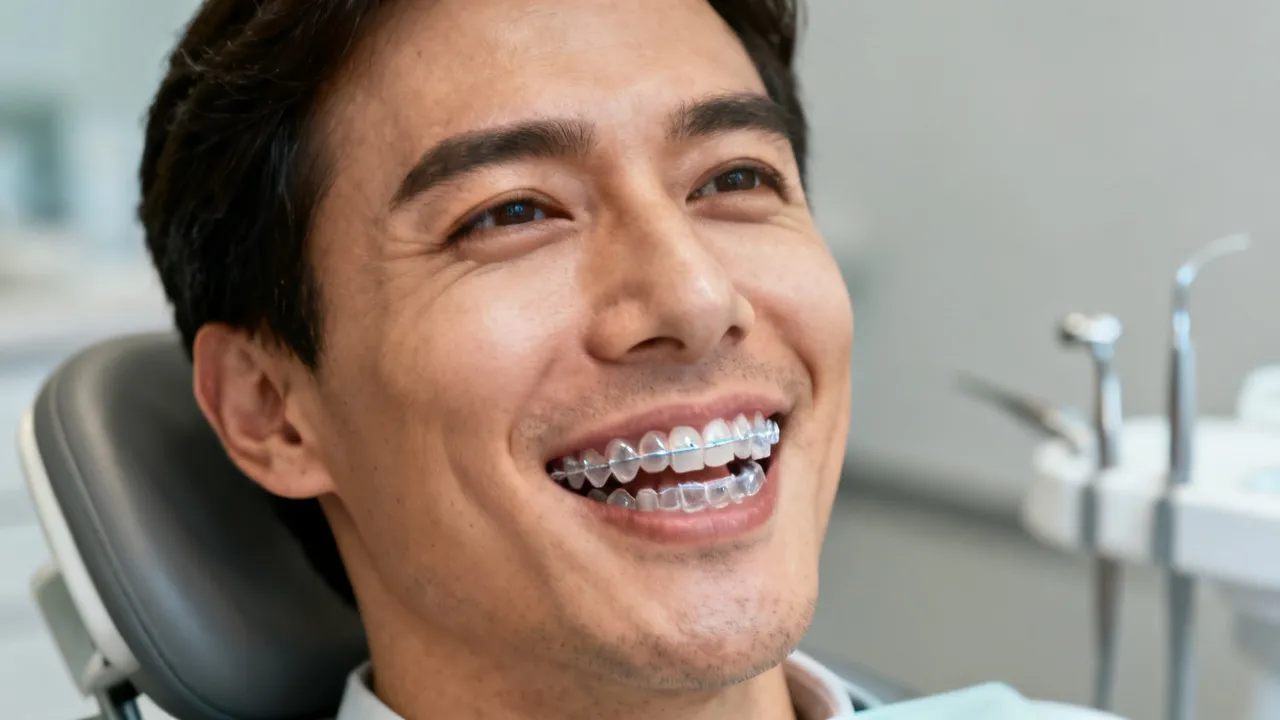
How to Choose an Orthodontist for Adults Nearby
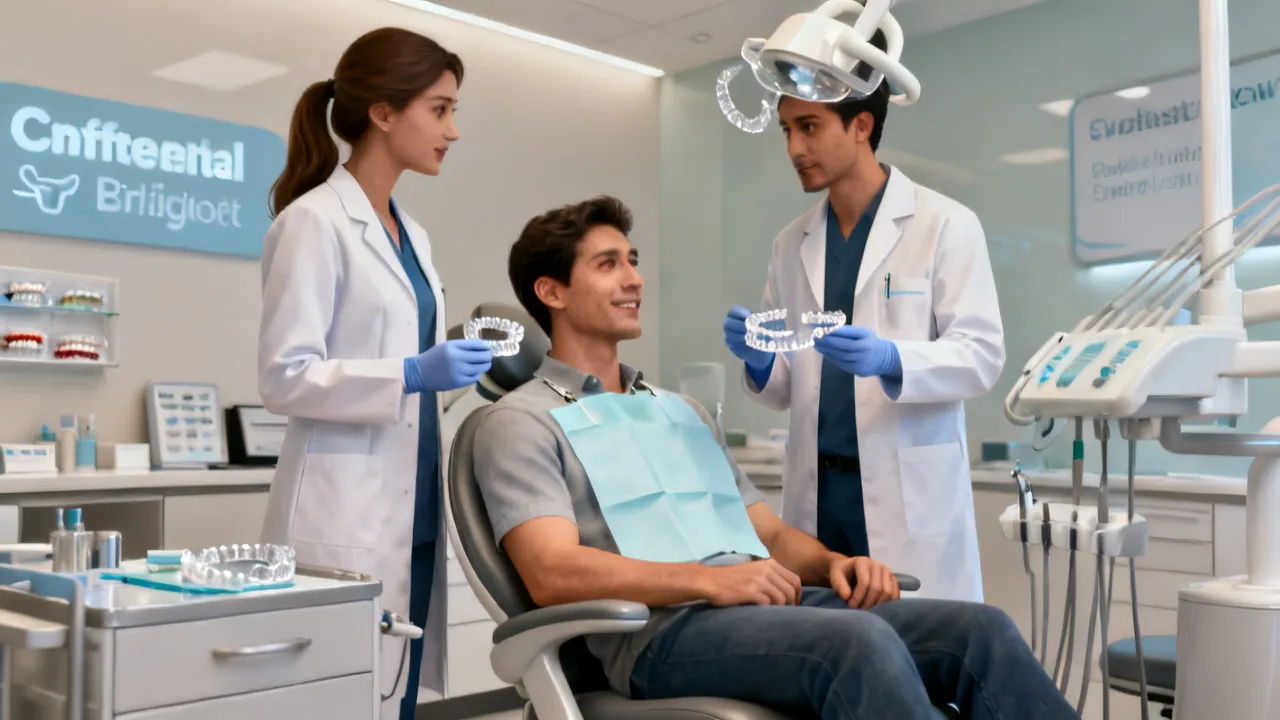
Adult Orthodontic Care: Finding a Nearby Orthodontist
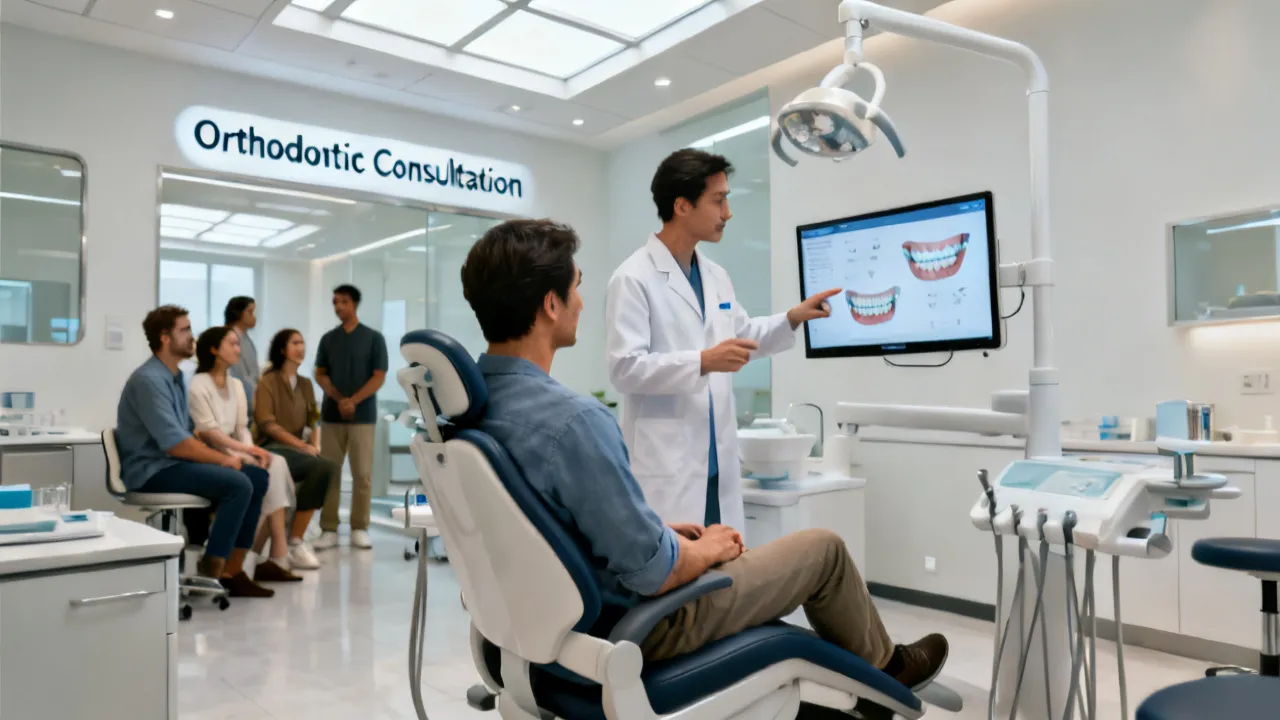
Orthodontist for Adults Near Me: Smart Options Explained

Orthodontist for Adults Near Me: Modern Options & Costs
How to Choose an Adult Orthodontist Nearby

Finding an Adult Orthodontist Nearby for Better Smiles
This guide helps you choose an Orthodontist for Adults Near Me by explaining adult orthodontic needs, evaluation steps, and how to plan for affordability. It also reviews low-cost dental implant information sources, typical implant costs across multiple English-, Spanish-, and Portuguese-speaking countries, and practical next steps based on clinical top practices.
Finding an Adult Orthodontist Nearby with Implant-Aware Care
This guide explains how to choose an Orthodontist for Adults Near Me with implant-aware planning, what “low-cost” dental implants usually means, and how costs commonly vary across countries. It provides objective decision criteria, a practical checklist, and FAQs so you can evaluate treatment options, insurance considerations, and realistic next steps before scheduling.
Orthodontist for Adults Near Me: Options and Implant Costs
This guide explains how to choose an orthodontist for adults nearby, what to expect from adult orthodontic care, and how dental implant planning fits into a wider treatment strategy. It also compares reputable online resources on low-cost implant information, outlines step-by-step pathways in English-, Spanish-, and Portuguese-speaking markets, and provides reference price ranges by country.
Orthodontist for Adults Near Me: Trusted Treatment Options
This guide explains how to find an orthodontist for adults nearby, what adult orthodontic care typically involves, and how to plan for costs—especially when dental implants and related procedures are part of the overall treatment. It also reviews how low-cost implant information sources compare clinic approaches and insurance options, with practical steps for evaluating treatment plans objectively.
How to Choose an Orthodontist for Adults Nearby
This guide explains how to find an experienced Orthodontist for Adults Near Me and what to expect from adult orthodontic care. It provides an objective overview of treatment planning, modern options like clear aligners and braces, and practical steps to manage costs. It also includes low-cost dental implant resources, country price ranges, and FAQs.
Adult Orthodontic Care: Finding a Nearby Orthodontist
This guide helps you choose an orthodontist for adults nearby, explaining how adult braces and aligners are planned, what to expect at consultations, and how dental implant affordability can be assessed alongside orthodontics. It also reviews low-cost implant information sources, typical implant pricing ranges across countries, and practical steps to reduce costs while maintaining quality and safety.