English

This guide explains how to find the right “Orthodontist in My Area” while evaluating dental implant affordability, treatment pathways, and practical next steps. It provides objective background on orthodontic care, what to expect during consultations, and how low-cost implant options may be structured across English-, Spanish-, and Portuguese-speaking countries, including cost ranges for single implants.
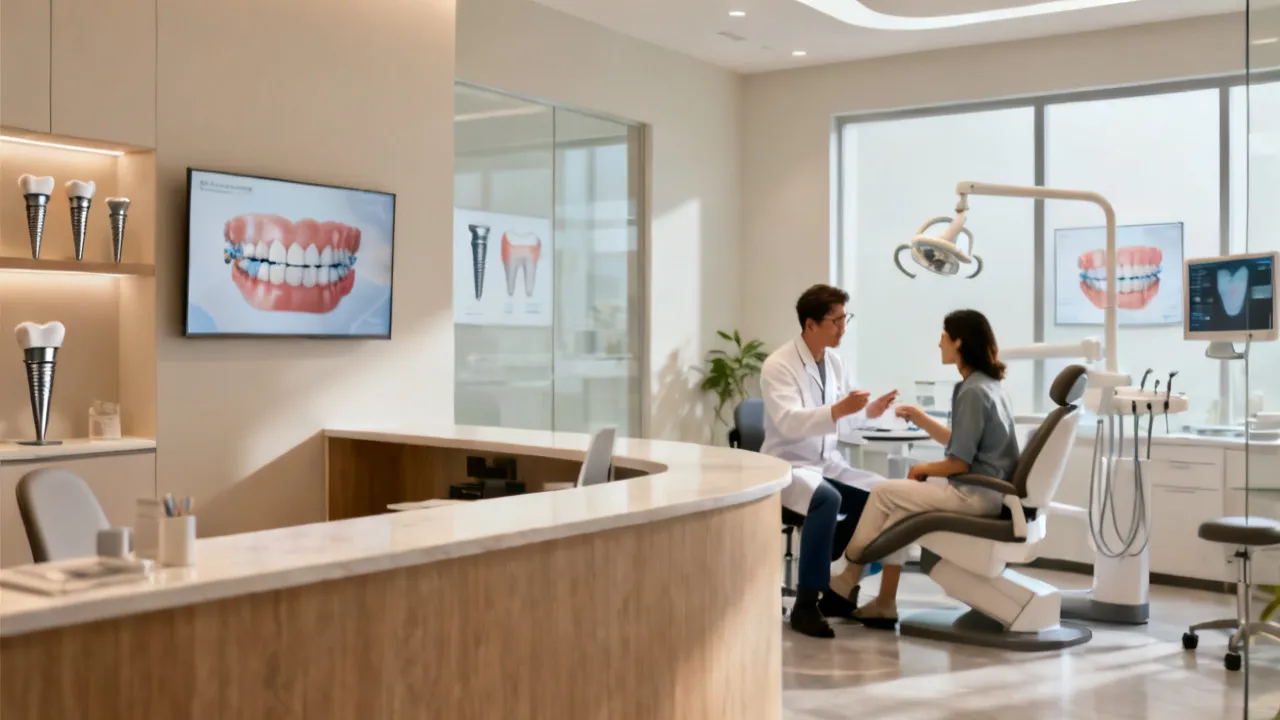
If you are searching for an Orthodontist in My Area, your goal should be more than proximity. Orthodontic care is typically delivered over months or years and often involves coordinated diagnosis, imaging, treatment planning, active treatment, and follow-up. The “top” option is the practice that can explain your diagnosis clearly, propose evidence-based options, document treatment progress, and align pricing with your circumstances.
In parallel, many people exploring orthodontics also consider dental implants—especially when missing teeth affect bite alignment, space maintenance, aesthetics, or implant-supported prosthetics. Because affordability is a common concern, you may also be comparing “low cost dental implants” information across reputable sources. This article helps you approach both orthodontic and implant decisions with a structured, objective method.
Just as importantly, your “orthodontist choice” affects whether you later need emergency dental work, additional procedures, or extended retention. In orthodontics, the quality of diagnosis and the quality of communication are not optional extras—they are part of clinical safety. A clinic that rushes to schedule braces or aligners without robust records can create downstream problems: misdiagnosed bite issues, incorrect expansion or extraction decisions, insufficient retention planning, and difficulty coordinating with prosthodontics or implant dentistry later.
Similarly, an implant “low cost” offer can look attractive at first glance but may hide differences in included procedures or timelines. Implants are not a one-day procedure; successful outcomes often require correct site assessment, precise surgical planning, proper healing supervision, and prosthetic restoration that fits your bite and oral environment. That is why your evaluation should not stop at price—it must address clinical details, the quality of records, and follow-up expectations.
Orthodontists are dental specialists trained to diagnose and treat conditions involving teeth and jaw alignment. Their scope includes crowding, spacing, malocclusion (such as overbite/underbite/crossbite), and complex cases where jaw relationships matter.
From an expert perspective, a good orthodontic experience usually includes:
It is also useful to understand what the orthodontist is actually “buying” you when they plan carefully. Orthodontics is not merely moving teeth; it is managing biology (root behavior, periodontal health, tooth movement limits), biomechanics (forces, anchorage, appliance design), and long-term stability. Good clinicians anticipate your future dental needs—such as how a missing tooth might shift occlusion, how a developing jaw might respond during growth, and how future prosthetic work could interact with orthodontic alignment.
When practices advertise broadly, the details become critical. Ask whether the clinician is board-certified/specialist-trained and how treatment decisions are documented. For SEO purposes and user intent, terms like Orthodontist in My Area often bring up general dentistry and specialty practices together—so your evaluation should distinguish orthodontic specialization from “general dental” services.
To evaluate specialization beyond the website, ask direct questions:
Even if you are comfortable with aligners, it’s still important to ask: why aligners for your case, and what would change if tooth movement is slower than expected? The best orthodontists can explain their plan in a way that shows they understand the “what ifs,” not just the ideal path.
Orthodontic treatment and dental implants may intersect in several common scenarios:
In practice, the overlap is often more complex than people assume. For example, if you are missing a tooth and have shifted teeth, you may need orthodontic space management either before or after an implant-supported restoration. If you want to preserve the natural tooth arrangement and bite, orthodontics may create ideal implant positioning (space, angulation, and occlusal plane alignment). If you want to close gaps, orthodontics might substitute prosthetic space requirements with natural tooth movement—but that can affect long-term stability and aesthetics.
Bone quality and soft tissue health are major considerations in implant planning. Orthodontic movement can change local bone contours and may influence soft-tissue thickness. In some patients, orthodontics may be used to improve site readiness for implantation. In others, bone grafting and soft tissue augmentation are required regardless of orthodontic timing. A well-coordinated team will explain how orthodontics impacts the implant site and how implants may affect orthodontic bite mechanics.
Because implant outcomes depend heavily on case selection and surgical/prosthetic planning, it is wise to rely on reliable educational sources, not only marketing. Online resources that discuss low cost dental implants can help you understand general process steps and cost drivers, but they should not replace a professional assessment.
If you suspect you need both orthodontics and implants, you should treat your treatment plan like a single project with milestones. Ask for a timeline that identifies:
In the dental market, “low cost” often reflects one or more of the following factors (the exact mix varies by clinic and country):
What matters for you is not the label, but what is included in the quoted price (consultation, imaging, surgical placement, healing protocol, prosthetic components, warranties, and follow-up visits). When the scope is unclear, costs can change after treatment begins.
It can be helpful to interpret “low cost” as a category with multiple meanings. For instance:
Unfortunately, marketing sometimes emphasizes price while obscuring the operational details. A responsible provider should be able to walk you through exactly how the low-cost pathway works, what it excludes, and what would trigger additional charges.
When comparing quotes, ask for a one-page “treatment breakdown” that lists each step, the personnel involved (surgeon, restorative dentist/prosthodontist, lab), and the expected number of visits. If a quote cannot be itemized, you are not just comparing prices—you are comparing uncertainty. In medical and dental care, reducing uncertainty is part of paying responsibly.
The table below compares educational and service-focused websites that provide information about low-cost dental implants. The aim is to help you understand what each resource emphasizes (cost education, clinic services, or dental tourism context).
| Website | Primary focus |
|---|---|
| Dental Views (dentalviews.com/low-cost-dental-implants/) | Cost-focused educational content on benefits, types of treatments, implant process, and common FAQs |
| Atlantic Dental Group (atlanticdentalgrp.com) | Clinic service overview with potential coverage of orthodontics, implants, and scheduling |
| DentaVacation (dentavacation.com) | Dental tourism framing: cost comparisons and travel arrangements for affordability |
| Rockville Dental Arts (rockvilledentalarts.com/es/) | Spanish-language clinic communication including implants, bleaching, orthodontics, and emergency care |
source: [www.dentalviews.com](https://dentalviews.com/low-cost-dental-implants/) | [www.atlanticdentalgrp.com](https://www.atlanticdentalgrp.com/) | [www.dentavacation.com](https://www.dentavacation.com/) | [www.rockvilledentalarts.com](https://rockvilledentalarts.com/es/)
While reviewing these sites, consider the difference between “education” and “sales.” Educational content can help you understand the general implant pathway and vocabulary (e.g., bone grafting, healing, abutments, prosthetic crowns). Sales or clinic overview content can help you understand logistics—such as scheduling, services offered, and languages spoken. Dental tourism platforms often connect cost to geography and travel; useful for planning, but you still must verify clinical scope and continuity of care.
To make this evaluation consistent, you can use a simple approach: for each website, list what they claim about process (records and imaging), what they claim about outcomes (success rates or quality markers), what they claim about cost inclusions (what is included and excluded), and what they claim about follow-up. If follow-up is not described, treat it as a “red flag for planning,” not an automatic bad sign—but definitely a prompt to ask questions.
This section outlines a practical approach you can use when evaluating low-cost options across English-speaking, Spanish-speaking, and Portuguese-speaking markets. The steps emphasize safety, completeness of quotation, and continuity of care.
A structured evaluation protects you from one of the most common pricing traps: “low price” implant offers that assume a favorable anatomy. If your case requires augmentation, guided surgery, or staged procedures, the actual cost can change significantly. Good clinics will not only identify what you need, but explain why—using imaging and measurements.
In the diagnostic phase, also ask about your medical history considerations: diabetes control, smoking/vaping status, medications that affect bone health (for example, certain antiresorptive drugs), and any history of periodontal disease. These factors can affect implant selection and healing protocols. Low-cost providers still need to do this risk assessment; if they skip it, that should affect your trust level.
“Itemized” should mean that you can see each cost driver. A single lump-sum can be okay if it is detailed in a treatment proposal, but you should still be able to understand what is included. When a quote is lower, ask:
Also be sure to ask about the number of appointments. Some low-cost packages may compress visits, which can increase stress if you are healing slowly or if there are unexpected questions. Compression is not inherently bad—but it should be planned. If it is not planned, it can become an expensive inconvenience.
It is important to understand that “lower cost” may come with specific indications. Mini implants or alternative systems might not be appropriate for every bite force scenario, location, or long-term restoration plan. Your clinician should explain why a lower-cost pathway is suitable for your specific anatomy and goals—and why it would not be suitable if it were not.
Ask also about your options if you are not a candidate for a low-cost pathway. Good clinics will tell you what alternative is recommended and what drives the added cost, so you can make an informed decision rather than a surprise one.
Implant success depends on both surgery and the final prosthetic restoration. A clinic that treats surgery as a stand-alone event may fail to integrate bite planning and long-term maintenance. Ask who designs your final crown and how occlusion is checked.
If orthodontics is part of your plan, ask whether the clinic collaborates with an orthodontist or can coordinate timing with your orthodontic provider. In some cases, you might need a referral pathway between specialties. If they cannot support coordination, you may need extra effort on your side to avoid misalignment between orthodontic and implant timelines.
Insurance can change affordability substantially, but it also changes the “how” of care. Some insurance plans cover diagnostic imaging and partial procedures but limit implant coverage. Others may cover a portion of a prosthetic restoration while excluding surgical components. Before committing, request a pre-authorization or written coverage estimate if your jurisdiction and plan allow it.
If you do not have insurance, you can ask whether the clinic offers installment plans, payment financing, or in-house discounts tied to specific packages. “Financing” is not inherently negative, but it can obscure the true cost. Ensure you understand total cost including interest and the timing of payments.
Dental tourism can be helpful, but continuity of care is the main risk. The implant integrates over months (and prosthetic steps happen later), so you should ask who will handle post-operative monitoring when you return home. Clarify whether you will receive:
Also consider local support. If you have a trusted dentist near home, you can ask whether they can provide interim monitoring while you are traveling or after you return. This reduces anxiety and helps catch issues early.
Many people evaluate implants as a single event. In reality, the success of an implant is strongly linked to maintenance and timing. Ask how often you will be recalled, what maintenance includes (cleaning frequency, imaging checks when needed), and what you should do between visits (for example, hygiene guidance, avoiding certain hard foods, or monitoring tenderness).
In addition, ask about long-term restoration: how the crown is expected to last, whether there is a plan for screw-retained versus cement-retained restorations (where relevant), and what the clinic does if you need adjustments.
The table below provides reference price ranges for individual dental implants in selected Portuguese-, Spanish-, and English-speaking countries (and a broader list already provided). Actual cost depends on case complexity, included services, and the clinic’s component selections.
| Country | Currency | Price range (single implant) |
|---|---|---|
| United States (US) | USD | $3,000 - $6,000 |
| United Kingdom (GB) | GBP | £2,000 - £2,500 |
| Australia (AU) | AUD | AU$3,500 - AU$6,500 |
| Canada (CA) | CAD | CA$3,000 - CA$5,500 |
| Spain (ES) | EUR | €1,500 - €2,500 |
| Chile (CL) | CLP | CLP$800,000 - CLP$1,500,000 |
| Mexico (MX) | MXN | $15,000 - $25,000 |
| Colombia (CO) | COP | $2,000,000 - $4,000,000 |
| Peru (PE) | PEN | S/ 3,000 - S/ 6,000 |
| Argentina (AR) | ARS | $80,000 - $150,000 |
| Brazil (BR) | BRL | R$3,000 - R$8,000 |
| Portugal (PT) | EUR | €1,000 - €2,000 |
| Japan (JP) | JPY | ¥300,000 - ¥700,000 |
These ranges are useful for initial budgeting, but they should not become a shortcut for decision-making. Two quotes within the same price range can include very different elements. For example, one quote may include CBCT imaging, temporary restoration, guided surgery, and a specific crown material; another may exclude those. When you see “low cost dental implants,” confirm what part of the process the quote covers.
Also, remember that many implant cases include additional procedures. If you need extraction, bone grafting, sinus lift, nerve repositioning, or periodontal treatment, those can raise the total cost beyond the “single implant” range. If orthodontics is part of the story, you might also have orthodontic fees that affect the overall budget—even if the implant itself is discounted.
When searching for an Orthodontist in My Area, the website content you encounter can vary based on language and regional healthcare frameworks. This does not inherently indicate quality; it indicates how clinics communicate.
Still, country context can help you interpret what you see:
Some resources emphasize cost transparency and patient education around low-cost approaches. For instance, websites like Dental Views provide explanatory material on benefits, types of implant treatments, and process FAQs, aiming to guide affordability-minded patients through decision-making.
In English-speaking markets, you may also encounter additional factors that influence cost: standard dental office overhead, insurance reimbursement systems, and differences in how clinics package orthodontic care. Many practices will offer “estimated” orthodontic costs that depend on records and final treatment planning. Pay attention to whether the practice provides a written treatment plan with retention included.
Spanish-language clinic sites and educational content can be especially helpful for patients who prefer communication in Spanish. For example, Rockville Dental Arts offers a Spanish version describing services such as dental implants, dental whitening, cleaning, orthodontics, and emergency dental care—useful for patient comfort and clarity.
In Spanish-speaking contexts, you may find more emphasis on patient comfort and practical accessibility. That can be beneficial, especially if you are seeking emergency help or scheduling flexibility. However, you still need to validate clinical details: imaging standards, implant system selection, and follow-up policies.
In Brazil and Portugal, clinics may highlight a combination of orthodontics and implant solutions, with local practice details. For example, Rubi Odonto (Santo André, São Paulo) describes orthodontics, whitening, and dental implants; Odontologia Velasco (São Paulo) highlights implants and prosthetics; and DentalVidas emphasizes dental plans with a network of providers and emergency access. As always, confirm what is included in any plan and how implant services are delivered for your specific case.
In Portuguese-speaking markets, you might encounter dental plan structures or networks that influence pricing. If you’re comparing “low cost,” you should determine whether the cost refers to insured network rates, promotional pricing, or full cash-pay packages. A network might reduce immediate cost but can complicate which clinics and labs you use, potentially affecting continuity and preferences for restoration materials.
Across all languages, the most consistent method for comparison is to demand clear written documentation: what is done, what is included, what follow-up is included, and what would change if your anatomy requires additional steps.
When you meet a potential provider for Orthodontist in My Area decisions, bring questions that evaluate both clinical rigor and practical fit. Consider:
It can also help to ask for “case-type examples.” You are not seeking patient-identifying details; you are seeking to gauge whether the orthodontist has experience with your specific problem type. For example:
From an industry expert viewpoint, clinics that communicate clearly and provide written treatment outlines often produce smoother patient experiences, because expectations are managed early.
Finally, ask about the “administrative” side of orthodontic care: who schedules appointments, how rescheduling is handled, what your options are if you miss appointments, and how urgent issues are addressed. Orthodontic care is built on consistency; administrative reliability is part of consistency.
Look for specialist credentials and orthodontic-focused practice descriptions. Ask who performs the orthodontic treatment and what training they have. In many regions, orthodontics is a specialty; the clinic should be able to describe qualifications and treatment protocols.
You can further evaluate by asking how they manage retention. Many general dental offices may provide basic braces/aligners, but orthodontists typically have robust retention programs and a deeper understanding of relapse risk. When you ask, listen for details: retainer type, wear schedule, monitoring frequency, and what is done if retention fails.
Quotes may include diagnostic records, appliance placement, periodic adjustments, and a retention plan, but coverage differs widely. Request an itemized or written summary of included services and any potential extra fees (for example, additional appointments, replacement components, or retention adjustments).
Also ask whether retainers are included in the original quote price or if replacement retainers are charged separately. Retainer replacement costs can surprise patients later, especially if there are lifestyle changes, broken retainers, or orthodontic relapse indicators.
Not necessarily. “Low cost” can result from different pricing structures, standardization, or case selection. However, lower pricing can also mean fewer included services or different component choices. The safety-critical step is to confirm scope, materials, warranty terms, and follow-up coverage.
If you are comparing clinics, ask about documentation quality. Do they use 3D imaging for planning? Do they provide a detailed surgical plan? Do they discuss possible complications and how they would manage them? A lower price that is paired with strong documentation and clear follow-up can be a legitimate option.
Ask for imaging details, the treatment timeline, whether bone grafting or additional procedures are needed, an itemized quote, warranty terms, and how complications are handled. For implant dentistry, also request clarity on the prosthetic component and who will fabricate/fit it.
For implant restoration, ask whether the crown is screw-retained or cement-retained (where relevant) and how they ensure proper bite. A misfit crown can cause chronic discomfort, inflammation, or long-term wear issues. The “low cost” approach should not compromise fit and comfort.
It depends on your bite, missing teeth, jaw relationships, and bone conditions. Some plans align teeth first to optimize implant positioning; others may coordinate implant placement earlier. A coordinated treatment plan is essential so one specialty’s timeline supports the other.
In complex cases, you may need a staged plan. For instance, you might start orthodontics to create space and alignment, pause at a milestone to place an implant, then continue orthodontic finishing to optimize occlusion and aesthetics. Each plan depends on bone anatomy, tooth position, and the intended final restoration.
It can lower costs for some patients, but continuity of care is the key risk factor. Implant healing often requires follow-up, and complications may require prompt management. If travel is involved, ensure you understand post-treatment monitoring and who provides it when you return home.
It’s also important to ask whether there is a structured “handoff” document for your home dentist. A quality clinic should be willing to share surgical information and post-operative protocols so your local clinician can monitor appropriately.
Dental insurance terms vary by plan and jurisdiction. Educational guidance from insurance-focused resources can help you understand coverage basics, but your eligibility and out-of-pocket costs depend on your specific policy, waiting periods, covered procedures, and plan exclusions.
When insurance is involved, ask whether insurance affects timing or provider selection. Some networks may have limited choices for prosthetic labs or implant providers. Clarify whether you can choose specific materials or whether you must follow network constraints.
If you want an objective way to narrow down an Orthodontist in My Area shortlist, use a scoring framework:
Clinics that score higher often align better with patient expectations—especially for good orthodontic treatment where consistency matters.
You can also apply a parallel scoring method to implant providers when comparing low cost dental implants. Use similar categories:
By scoring each provider, you reduce the risk that the lowest price automatically wins. Often, the “lowest” quote is the “most incomplete” quote. A higher-scoring clinic may still be affordable once you consider what is included and what follow-up costs might otherwise be paid out of pocket.
It is also useful to create a “minimum acceptable standards” checklist for both orthodontics and implants. For orthodontics, minimum standards might include written retention plans, consistent monitoring schedules, and clear explanations of diagnosis. For implants, minimum standards might include CBCT/3D evaluation when needed, itemized pricing, and a documented follow-up schedule. If a provider cannot meet your minimum standards, the price becomes less relevant.
Searching for an Orthodontist in My Area is the beginning of a longer process. The top outcomes typically come from careful diagnosis, realistic planning, and a structured follow-up strategy. If you are also investigating low cost dental implants, treat “affordability” as a component of a complete plan—price is only meaningful when it clearly matches scope, components, warranty, and continuity of care.
By using the consultation checklist, comparing itemized quotes, and considering country-specific care pathways in English-, Spanish-, and Portuguese-speaking settings, you can make a decision that prioritizes both clinical quality and financial clarity.
Ultimately, the best strategy is to view orthodontics and implants as connected parts of a long-term health plan, not isolated procedures. When your orthodontic treatment creates stable alignment and your implant restoration integrates properly into your bite, you reduce the chance of future adjustments, additional expenses, and unnecessary discomfort. Good communication—written plans, clear timelines, and follow-up protocols—helps you feel confident through each stage.
If you want practical next steps, consider preparing your personal “care dossier” before your consultations: a list of your dental history (including extractions, root canals, periodontal issues), a timeline of orthodontic concerns, photos if you have them, any past imaging reports, and a list of questions. Bring this dossier to every consultation so that each provider can interpret your goals consistently. You’ll save time and improve comparison quality.
Also, remember that your own priorities matter. Some patients prioritize speed; others prioritize minimal extractions, or prioritize aesthetics, or want a plan that supports future implants. A trustworthy provider will listen and adjust the plan within safe boundaries. That is the difference between a clinic that simply “offers treatment” and a clinic that manages outcomes over time.
Disclaimer: The above information comes from online resources, and the data is as of October 2023. Dental implant prices are for reference only and may vary by region, clinic and doctor.
How to Choose an Orthodontist Nearby
How to Choose an Orthodontist Nearby
Finding an Orthodontist Nearby for Quality Care
Finding an Orthodontist Nearby for Smart Treatment
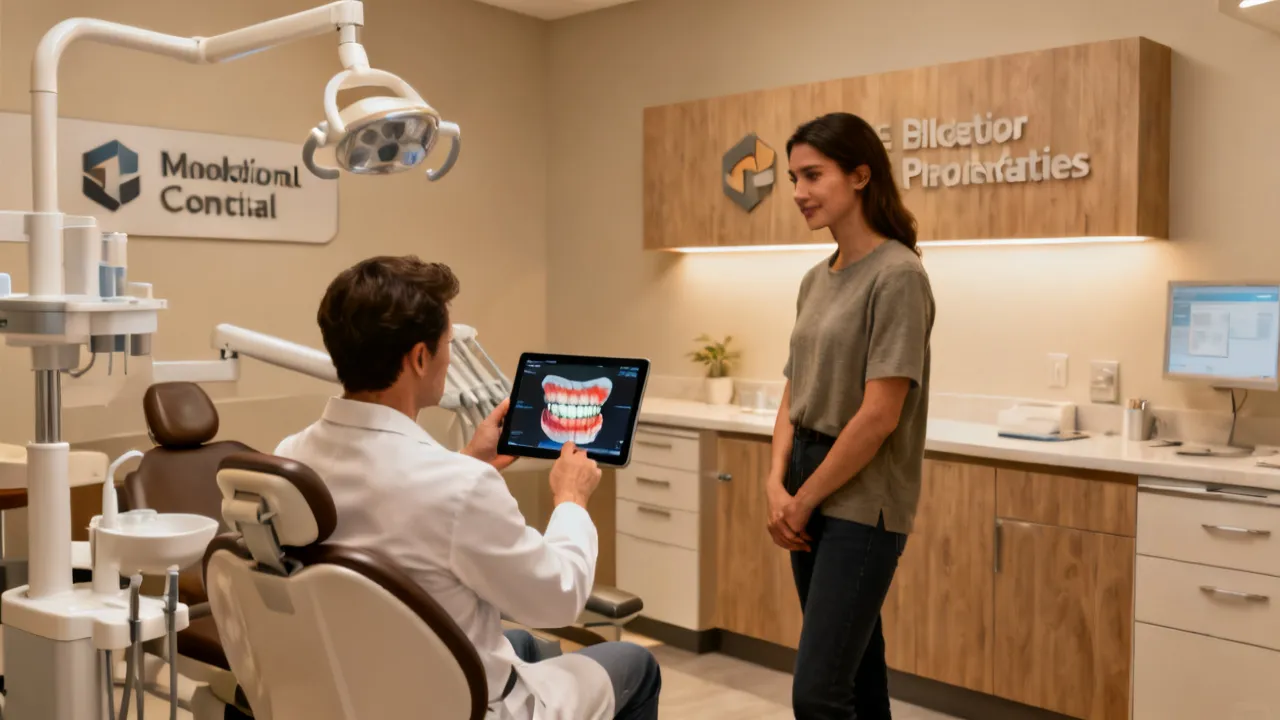
How to Choose an Orthodontist Nearby
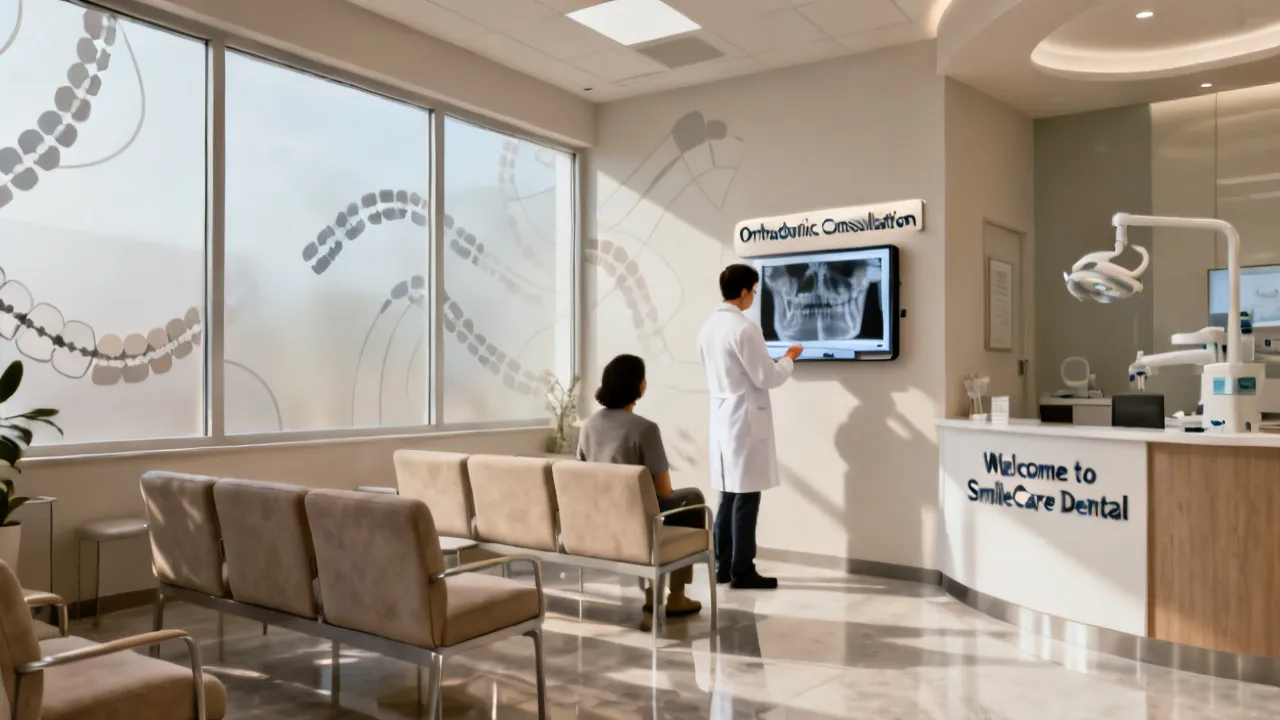
How to Choose an Orthodontist Nearby
Choosing the Right Orthodontist Nearby for Implants
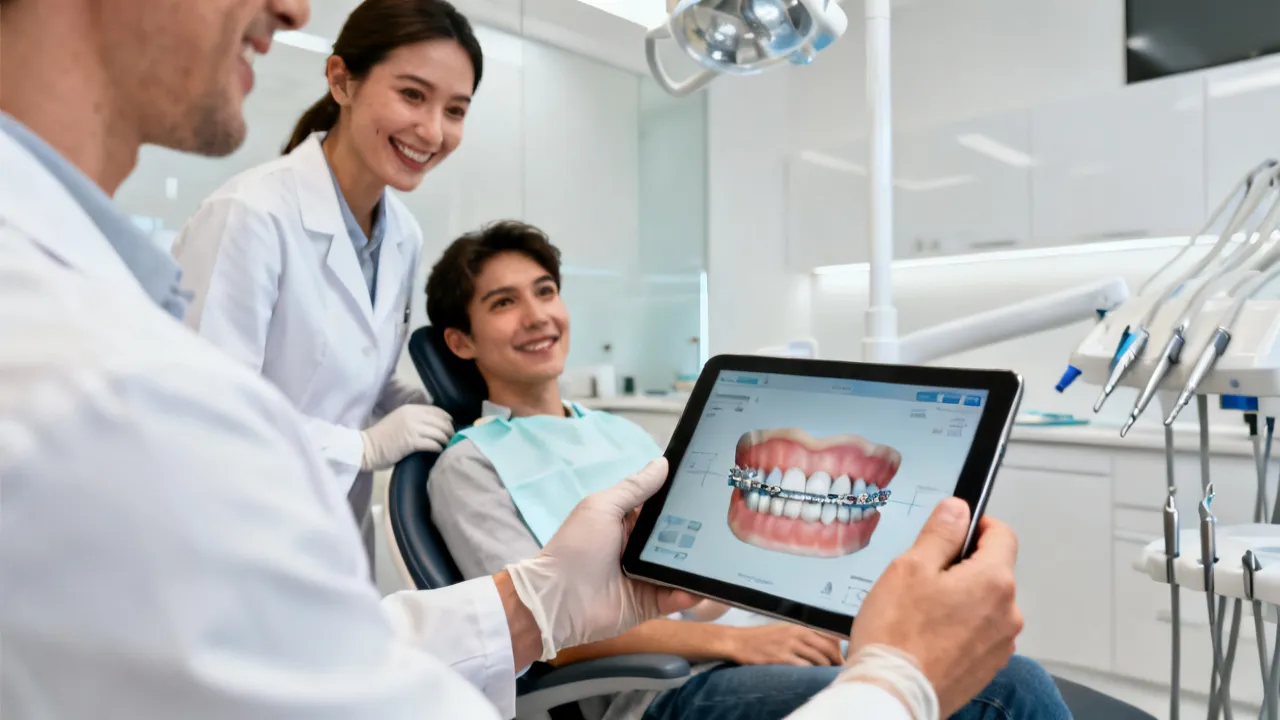
How to Choose an Orthodontist Nearby for Implants
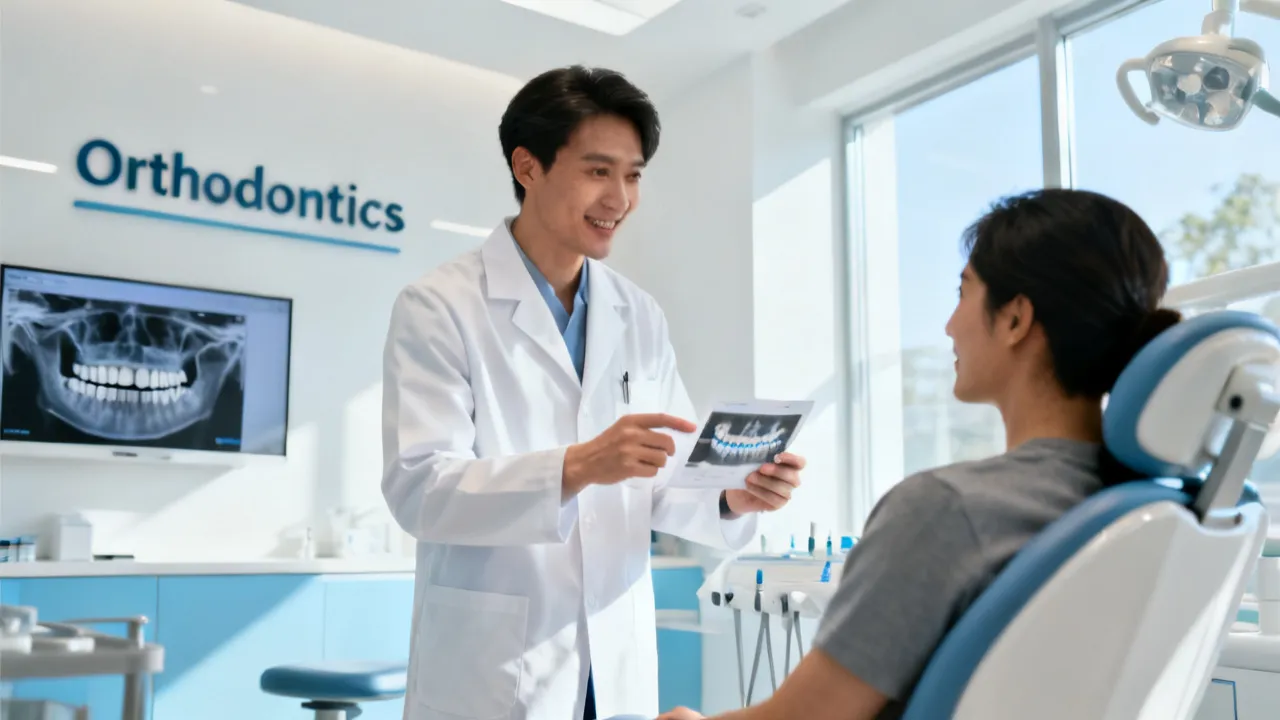
Orthodontist in My Area: Costs, Options, and Guidance
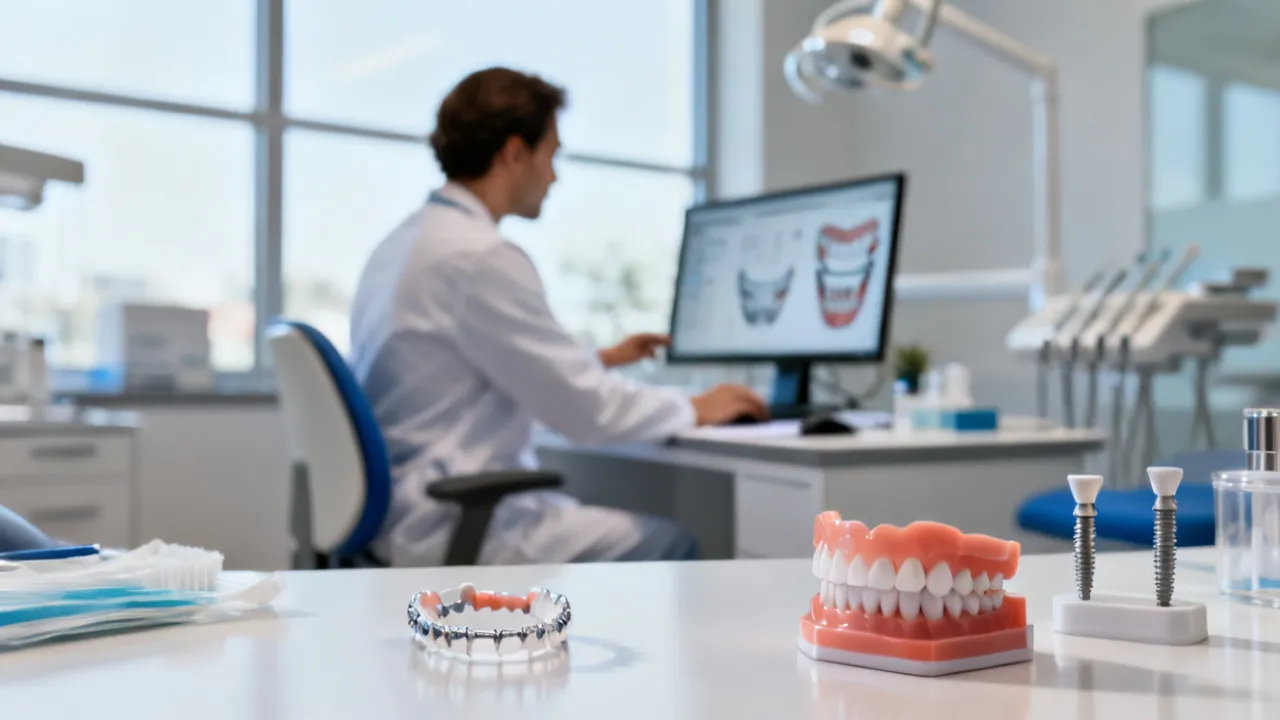
How to Choose an Orthodontist Nearby
This guide explains how to find an orthodontist nearby, what to expect from modern orthodontic care, and how dental implant planning can affect bite and jaw alignment. It also outlines how low-cost options are evaluated across English-, Spanish-, and Portuguese-speaking markets, with practical steps and reference cost ranges (prices vary by case and location).
How to Choose an Orthodontist Nearby
This guide helps you evaluate an “Orthodontist in My Area” through objective criteria, including qualifications, treatment philosophy, and orthodontic care coordination. It also explains how dental implant pricing and affordable options are often approached in English-, Spanish-, and Portuguese-speaking countries, with practical cost ranges and decision steps.
Finding an Orthodontist Nearby for Quality Care
This guide helps you evaluate an Orthodontist in My Area by focusing on clinical fit, treatment planning, and cost transparency—especially for patients considering implant-adjacent orthodontics. It also summarizes low-cost implant information from reputable English-, Spanish-, and Portuguese-speaking resources, and provides practical steps to pursue affordability without compromising safety.
Finding an Orthodontist Nearby for Smart Treatment
This guide helps you choose an Orthodontist in My Area nearby by explaining how care is planned, what to ask during consultations, and how costs for dental implants are typically structured. It also compares information sources for low-cost implant guidance in English-, Spanish-, and Portuguese-speaking countries, with practical steps and estimated cost ranges for implants by country.
How to Choose an Orthodontist Nearby
This guide helps you find an “Orthodontist in My Area” with an evidence-based approach—what to ask, how orthodontic treatment works, and how to evaluate costs responsibly. It also explains how dental implant and orthodontic planning can intersect, compares low-cost implant information resources, and provides practical pricing ranges by country for reference purposes only.
How to Choose an Orthodontist Nearby
This guide explains how to find the right “Orthodontist in My Area” while evaluating dental implant affordability, treatment pathways, and practical next steps. It provides objective background on orthodontic care, what to expect during consultations, and how low-cost implant options may be structured across English-, Spanish-, and Portuguese-speaking countries, including cost ranges for single implants.