English

This guide helps you evaluate an “Orthodontist in My Area” through objective criteria, including qualifications, treatment philosophy, and orthodontic care coordination. It also explains how dental implant pricing and affordable options are often approached in English-, Spanish-, and Portuguese-speaking countries, with practical cost ranges and decision steps.
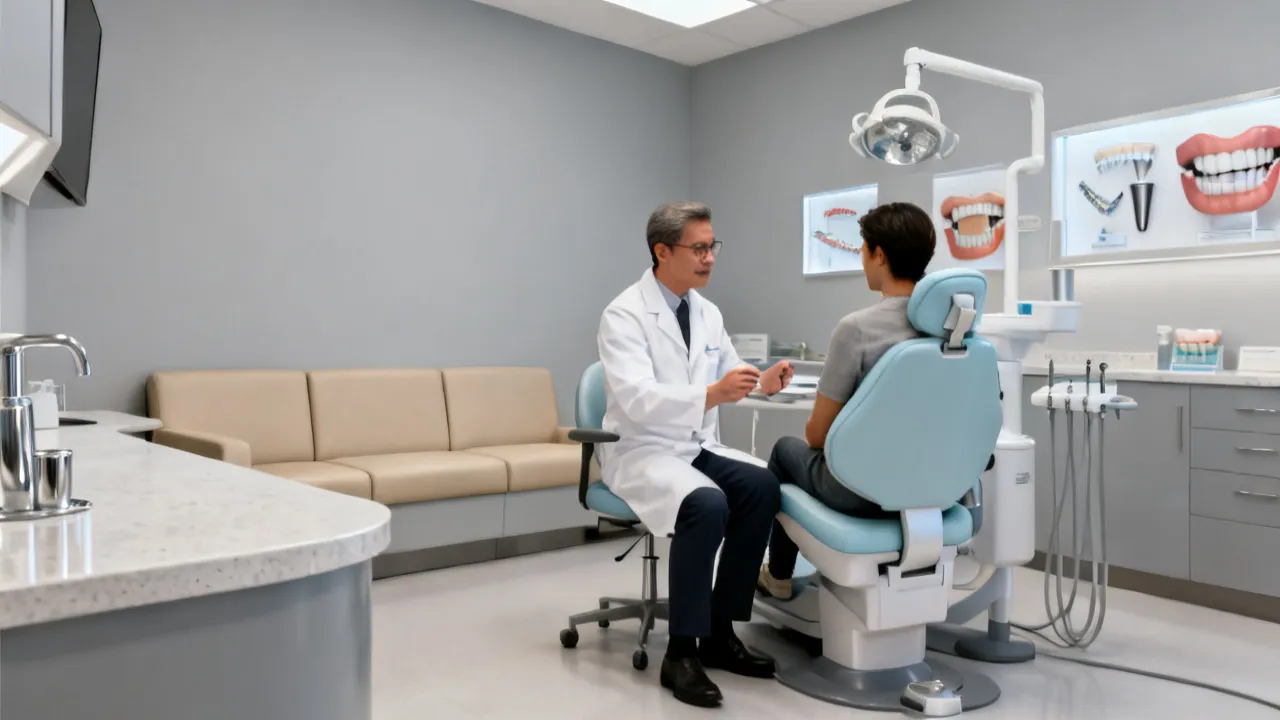
If you are searching for an Orthodontist in My Area, you are usually trying to solve two practical challenges at once: finding clinical accuracy and ensuring day-to-day access to care. Orthodontic treatment isn’t like a single procedure where you get one appointment, finish, and move on. Instead, orthodontics is a structured process that requires ongoing monitoring, periodic adjustments, possible refinement of treatment mechanics, and—crucially—a retention phase designed to protect the final results.
Because of that, “the best orthodontist” is often less about who has the most attractive marketing and more about who can deliver evidence-based treatment with a realistic schedule you can actually maintain. Your life circumstances matter: work hours, school schedules, transportation, and the ability to respond to occasional emergencies (for example, a bracket that loosens, a wire that irritates tissue, or a temporary issue with an aligner). A nearby practice can meaningfully reduce treatment friction and help you stay on track.
From an industry-expert perspective, the early step is to move beyond “top-rated” claims and focus on measurable quality factors: credentials and specialization, diagnostic rigor, documented treatment planning, and a transparent explanation of risks, alternatives, and costs. You are not just choosing a person—you are choosing a clinical system: how the practice diagnoses, plans, communicates, schedules follow-ups, handles complications, and manages retention.
An orthodontist is a dental specialist trained to correct malocclusion (how teeth bite together) and related issues involving teeth and jaws. People often think orthodontics only means straightening teeth for appearance, but clinical reality is broader. Orthodontics addresses functional problems that can influence chewing, speech, oral health, and long-term tooth stability.
Common presentations include crowded teeth, spacing, overbite and underbite, crossbite, open bite, jaw alignment problems, and bite asymmetries. Many patients also have underlying habits or developmental patterns that orthodontics must account for, such as mouth breathing, thumb habits, or differences in jaw growth that developed earlier in life.
Orthodontic outcomes are not determined by the brand of braces or aligners alone. They rely on diagnosis, biomechanics, correct selection of appliances, and appropriate retention. Compliance is also a major factor, especially with removable appliances or clear aligners where wear time determines how effectively tooth movement occurs.
In many dental systems, orthodontic care intersects with prosthetic and surgical planning. For example, if you have missing teeth, severe crowding, impacted teeth, or a bite problem that requires restorative work, your orthodontist may coordinate with a restorative dentist, prosthodontist, or oral surgeon. In more complex cases, orthodontics may be used to prepare the mouth for future implants or to optimize spacing and occlusion before restorative procedures.
So when you search for an Orthodontist in My Area, you should think beyond “straightening” and ask: Is this practice structured for comprehensive, staged treatment when the case requires it? Do they coordinate with other specialists? Do they plan for the long term?
When you search for an Orthodontist in My Area, the goal is to reduce uncertainty and improve predictability. A structured approach helps you avoid a common scenario: choosing based on convenience or price, then later realizing the diagnostics were incomplete or the plan wasn’t designed to handle your specific needs.
Use the checklist below as an “evaluation framework.” It is not about being skeptical; it’s about being informed and realistic.
While the key phrase you’re using is Orthodontist in My Area, dental implants can become relevant in orthodontic planning in at least three situations:
(1) You may have missing teeth that need replacement at some point. (2) Your orthodontic treatment goal might involve creating or optimizing space so an implant can be positioned correctly later. (3) Your bite correction or alignment may change restorative requirements and affect how your prosthetic plan will be designed.
Clinicians typically evaluate implant timing in relation to orthodontic tooth movement and, when applicable, jaw growth patterns. In younger patients, decisions about implant placement can differ because growth changes the final environment. Even if you do not plan to pursue implants now, your orthodontic evaluation should include relevant questions: Are there teeth missing? Were any teeth extracted? Do you have periodontal concerns? What does your restorative history suggest?
A well-run orthodontic practice asks these questions because orthodontics can change the oral environment—especially in cases involving impacted teeth, uneven spaces, or bite relationships that need correction before restorative work. If implants are in your long-term possibilities, it’s best if your orthodontist understands the implant workflow and can coordinate appropriately with restorative and surgical specialists.
Because many patients look for better value, it’s common to compare online resources that discuss low-cost dental implant pathways. Below is a feature-oriented comparison of selected online resources relevant to low-cost dental implant information. The purpose is not to rank providers, but to help you interpret what each site emphasizes before you contact a local clinic for a real clinical evaluation.
When you read online materials, remember that “low cost” can refer to different things: insurance affordability, bundled service packages, dental plan navigation, streamlined workflows, financing, or—sometimes—dental tourism. Each approach has trade-offs in continuity of care and follow-up support.
| Website focus (selected features) |
|---|
| Dental Views (Low Cost Dental Implants): Explains benefits of dental implants, common implant-related questions, and cost discussion in an accessible educational format. |
| Atlantic Dental Group: Emphasizes broad dental services (including implants and orthodontics) and practical scheduling/clinic information, aimed at patients seeking comprehensive care in one setting. |
| DentaVacation: Focuses on dental tourism concepts—cost comparisons and treatment abroad logistics for patients pursuing lower fees. |
| ADHP (American Dental Health Plans) via dental coverage content: Highlights insurance-plan navigation as a route to lower out-of-pocket expenses, rather than “lowest implant price only.” |
| Rockville Dental Arts (Spanish version): Serves Spanish-speaking communities with an overview of services such as implants and orthodontics, supporting patient communication and care access. |
| Cigna (Guide to Dental Implants): Provides insurance- and education-oriented implant guidance, supporting patients who want to understand options and terminology. |
source: Dental Views and Atlantic Dental Group and DentaVacation and ADHP-related insurance content and Rockville Dental Arts (Spanish) and Cigna (Spanish) are referenced as the source of the above high-level feature descriptions.
Note: For the actual URLs, see the “Reference links” section at the end of this article.
If your orthodontic evaluation reveals that implants may be needed later—whether for function, bite support, replacing missing teeth, or improving restorative outcomes—patients naturally ask how to reduce costs responsibly. In English-, Spanish-, and Portuguese-speaking countries (and similar healthcare contexts), “lower cost” generally comes from one or more strategies below.
While the details vary by country and clinic, the underlying cost drivers tend to be similar: diagnostics, the surgical procedure complexity, implant system selection, the prosthetic component type, imaging, follow-up structure, and the quality-control steps used to reduce complications.
Low-cost offers can differ drastically in what’s included. Ask whether the estimate covers: diagnostic records, implant placement surgery, the abutment, the crown/bridge/prosthetic component, follow-up visits, imaging, and retention or maintenance. For a fair comparison, you need comparable scope—not just comparable headlines.
Also ask whether the plan includes bone grafting or other preparatory procedures if needed. Many “cheap” estimates only cover the simplest pathway and exclude common adjuncts (like grafting, sinus lift, or other staging) that can be necessary depending on your anatomy.
In many markets, clinics provide payment schedules that reduce the monthly burden even if the overall total price is unchanged. Clarify interest rates, terms, and whether financing affects treatment timing.
In some cases, clinics partner with third-party financing. Ask what happens if your treatment course needs extension due to healing or complications. A good program will explain policies transparently rather than leaving gaps.
Some healthcare systems have dental insurance plans that contribute to eligible procedures. Insurance doesn’t always cover implants fully, but it may reduce cost depending on plan details such as waiting periods, coverage limitations, and whether certain diagnostic or preparatory steps are included.
If you’re pursuing affordability, the practical route is often “optimize insurance usage” rather than hunting the lowest price. Even partial coverage can significantly reduce your total out-of-pocket cost.
Instead of contacting only one clinic, obtain 2–3 consults (or structured second opinions). Differences often reflect: experience level, surgical protocol, the implant system selected, prosthetic design, material choice, and the clinician’s approach to managing risk factors.
A second opinion is particularly useful when you’ve been told the implant requires complex procedures. If two reputable clinics suggest different approaches, you gain a chance to understand why and choose based on your risk tolerance and budget constraints.
Many practices use digital workflows for imaging, prosthetic planning, and placement guidance. Digital planning can improve predictability and reduce the chance of needing major corrections later—though it does not automatically mean “cheaper.”
From a value standpoint, digital planning can be worth the cost if it reduces revision risk. Ask what imaging is performed, what the planning workflow looks like, and whether you will receive a clear visualization of the proposed restorative position.
Dental tourism may reduce procedural fees, but it introduces additional variables: travel time, potential loss of continuity, post-operative follow-up access, and differences in documentation and record transfer.
If you consider this route, verify aftercare availability, ensure the provider can provide comprehensive clinical documentation (imaging, surgical notes, implant system details, and prosthetic specifications), and confirm you can obtain maintenance locally. Implants require long-term monitoring; your ability to continue follow-up is critical.
Implant success depends on case selection, bone quality, surgical execution, and prosthetic design. The “low price” option can become costly if complications arise or if you require multiple adjustments or revisions.
When evaluating affordability, ask what the clinic includes to manage complications: warranty policies, retreatment rules, and follow-up intervals. A responsible low-cost approach often includes clear safety nets.
If implants are planned in connection with orthodontic tooth positioning, coordinate timelines with your orthodontist. A mismatch between tooth movement and implant placement can increase complexity and potentially affect outcomes.
This is where an orthodontist who understands implant-related planning can add value. Even if the implant team comes later, proper coordination reduces preventable costs and delays.
Because you may be comparing options while searching for an Orthodontist in My Area, it helps to understand broad pricing context for a single dental implant. The ranges below are intended as reference points for planning conversations with clinics.
Important: These ranges are approximate total cost references for an individual implant case in each country, not a guarantee of final pricing. Actual costs can vary based on complexity, diagnostic needs, bone grafting requirements, prosthetic material choice, and clinician fees.
| Country | Currency | Price range (single implant) |
|---|---|---|
| United States | USD | $3,000 - $6,000 |
| United Kingdom | GBP | £2,000 - £2,500 |
| Australia | AUD | AU$3,500 - AU$6,500 |
| Canada | CAD | CA$3,000 - CA$5,500 |
| Spain | EUR | €1,500 - €2,500 |
| Chile | CLP | CLP$800,000 - CLP$1,500,000 |
| Mexico | MXN | $15,000 - $25,000 |
| Colombia | COP | $2,000,000 - $4,000,000 |
| Peru | PEN | S/ 3,000 - S/ 6,000 |
| Argentina | ARS | $80,000 - $150,000 |
| Brazil | BRL | R$3,000 - R$8,000 |
| Portugal | EUR | €1,000 - €2,000 |
Even though orthodontic principles remain consistent across borders, your patient experience depends heavily on local healthcare system structure, clinic workflows, language access, appointment norms, and insurance patterns. What counts as “affordable” planning can differ—sometimes dramatically—from one country to another.
Below is an objective overview of how to approach affordable planning and information-gathering in these language communities. The intention is to help you ask better questions of any clinic you contact, regardless of location.
In English-speaking markets, many dental clinics emphasize comprehensive service lines. This is because patient needs often evolve over time: orthodontic treatment may lead to restorative planning, implant consideration, or occasional emergency care. When you search for an Orthodontist in My Area, you can evaluate whether the practice offers integrated coordination or whether they provide referral pathways with clear handoffs and communication logs.
For low-cost dental implant education, English-language sources often emphasize implant basics, common questions, and cost factors. They may also discuss insurance navigation, which can be a meaningful route to reduce out-of-pocket costs. However, insurance pathways can be complicated, and you may need to confirm which procedures are covered and what documentation is required.
Practical steps you can use in English-speaking contexts include:
Then bring that information to your orthodontic team if implants may interact with your bite correction plan. The best outcomes often happen when orthodontic tooth positioning and restorative/implant planning align.
In Spanish-speaking communities, many patients benefit when clinics provide patient-friendly education and Spanish-language communication throughout the process. Orthodontic and implant pathways involve consent, treatment instructions, and follow-up scheduling. When communication is clear, you reduce misunderstandings, improve compliance, and strengthen the overall treatment experience.
When searching for an Orthodontist in My Area in Spanish-speaking contexts, consider asking whether staff can communicate clearly in Spanish and whether the practice uses translated documentation for treatment planning. This is especially relevant if you anticipate multi-visit orthodontic care that interacts with future restorative or implant planning.
To support affordability, clinics that communicate effectively can also help you:
If you receive translated quotes or estimates, compare them based on scope (what is included) rather than only total numbers. This avoids confusion when one clinic’s estimate includes more follow-up care than another’s.
Portuguese-speaking patients often focus on clarity around implant and orthodontic services, especially when comparing multiple clinics. In many contexts, patients also compare dental plans that expand access to preventive and some restorative services. Even if implants are not fully covered, plan navigation can still affect your total out-of-pocket costs.
When you search for an Orthodontist in My Area in these settings, pay attention to whether the clinic demonstrates experience with complex cases and whether it coordinates treatment timelines with restorative needs such as implants. Coordination matters because orthodontic decisions can affect later implant placement (space, angulation, and bite dynamics).
In Portuguese-speaking environments, it can also be helpful to ask for:
These questions support continuity and can reduce surprise costs later.
To help you understand the type of resources referenced for implant and general dental information, this article draws on educational and clinic-oriented web presence. These examples illustrate approaches (education, insurance navigation, dental tourism considerations, and service breadth), not a ranking of care quality.
When using such sources, remember that a website’s focus doesn’t automatically reflect clinical outcomes. Your real confirmation comes from in-person or virtual consultations where diagnostic records are reviewed and a personalized plan is created.
Ask about diagnosis methods (what records are taken), the specific treatment goals for your bite and alignment, the expected timeline, appliance choice rationale, how progress will be measured, and what the retention plan includes. Also ask for an itemized estimate of costs and what is included in follow-up visits. If you suspect future implant needs due to missing teeth, ask how orthodontics may affect later restorative planning and whether they coordinate with implant or restorative specialists.
Proximity matters because orthodontic treatment requires periodic adjustments. However, proximity should not override clinical fit. A reasonable compromise is to prioritize a clinic with strong diagnostics and a schedule that you can reliably attend. If a slightly farther clinic offers significantly better alignment with your treatment needs and you can commit to the schedule, that may be a better long-term decision.
Orthodontics can close gaps and reposition teeth, but implants become relevant when a tooth is missing and cannot be predictably replaced by orthodontic movement alone. In addition, implants may be part of a plan if teeth are missing, if there are structural reasons space cannot be maintained for natural replacements, or if restorative replacement is needed for long-term function. Your orthodontist should coordinate with a restorative dentist or oral surgeon if implant-level decisions are likely.
“Low cost” can result from factors such as financing arrangements, insurance eligibility, pricing models, and clinic efficiencies. It can also be influenced by implant system selection and prosthetic design. Responsible evaluation means checking what’s included rather than only comparing a single advertised price. Ask about warranty policies, follow-up intervals, and whether the estimate includes all common procedures required for your specific case.
They can be, but the final cost depends on travel, accommodation, and—most importantly—aftercare access and continuity of records. For implants, follow-up matters: bone healing, prosthetic adaptation, and long-term monitoring. If you consider dental tourism, verify continuity-of-care mechanisms and ensure you can obtain maintenance locally or with the original provider through structured documentation transfer.
No. Pricing differs by city, clinic overhead, clinician experience, implant system selection, surgical complexity (including bone augmentation), and prosthetic component requirements. Two clinics in the same metro area may also use different imaging workflows and different staffing models, leading to meaningful differences in total cost.
Insurance can reduce out-of-pocket expenses depending on plan terms, coverage limits, waiting periods, and eligibility rules. In many cases, patients use insurance to cover parts of diagnostic or preventive care, while implant coverage may vary widely. Some plans may cover certain stages or related services (like imaging or consultations) but not the implant itself. Confirm coverage with documentation requirements.
Orthodontics and implants can be related when missing teeth, spacing, or bite dynamics require staged treatment. Orthodontics can create and refine space, improve alignment, and optimize bite relationships so that later restorative work (including implants) can be positioned and supported appropriately. When orthodontic and implant timelines are coordinated, it reduces the need for “workarounds” later that can increase cost or complexity.
Often, yes—if your orthodontist designs a treatment plan with future needs in mind. The orthodontist may incorporate space management and bite corrections while reserving or preparing the area for potential implants. Coordination with restorative and surgical teams helps ensure that orthodontics doesn’t compromise later implant placement or prosthetic outcomes.
When planning treatment—especially if orthodontics and implants may intersect—take a moment to assess practical requirements. These considerations are common across many dental systems and often affect whether the plan stays affordable and manageable.
If you are looking for an Orthodontist in My Area, treat the search like a decision process rather than a simple directory exercise. Prioritize specialist credentials, diagnostic thoroughness, a retainer plan, and transparent communication. The best value is usually found where clinical planning is structured and where follow-up expectations are clear.
If implant-related needs appear in your assessment, budget responsibly by comparing scope (what’s included) rather than merely price. Where cost pressures exist, use a combination of financing options, insurance navigation where available, and carefully evaluated second opinions. At the same time, remain cautious about approaches that weaken aftercare continuity. Implants in particular are not “set-and-forget” treatments—they require follow-up and maintenance to protect outcomes.
Finally, align everything—orthodontic treatment objectives, retention strategy, and implant or restorative planning—so the mouth evolves in a coordinated way. When the plan is integrated, you reduce the risk of redoing work later, improving both predictability and affordability.
1) The above information comes from online resources, and the data is as of October 2023.
2) Dental implant prices are for reference only and may vary by region, clinic and doctor.
How to Choose an Orthodontist Nearby
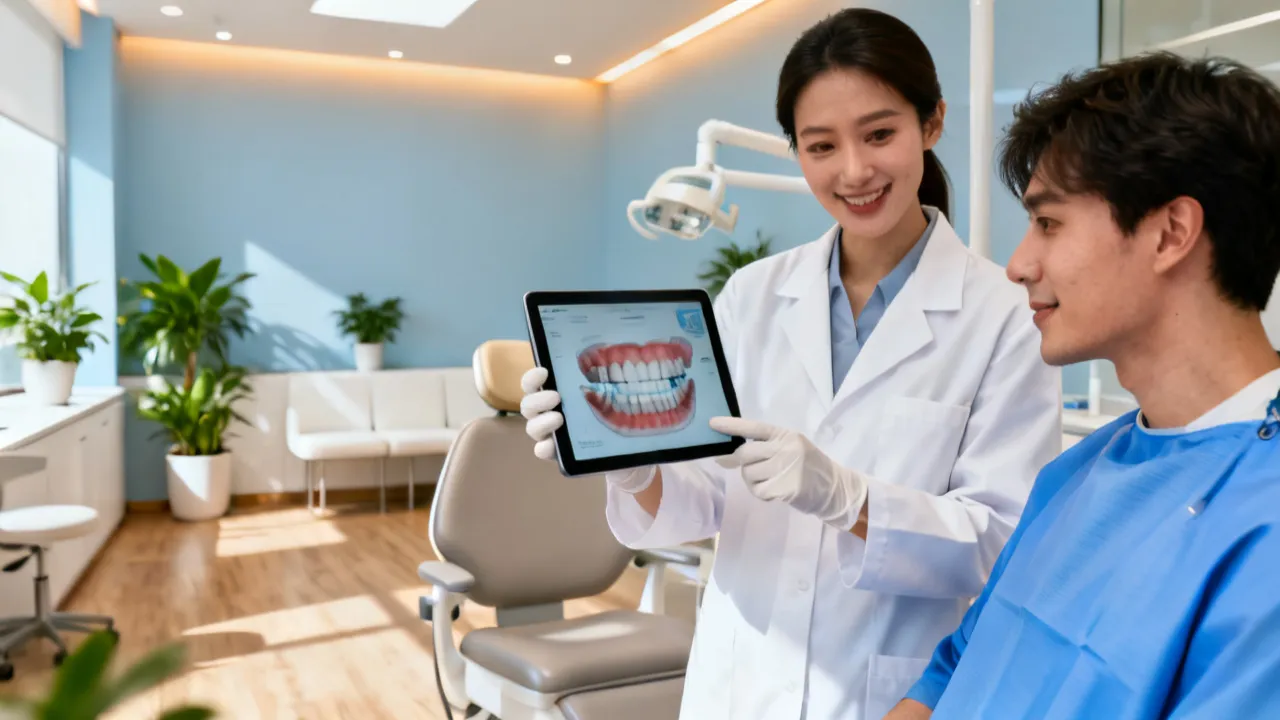
How to Choose an Orthodontist Nearby
Finding an Orthodontist Nearby for Quality Care
Finding an Orthodontist Nearby for Smart Treatment
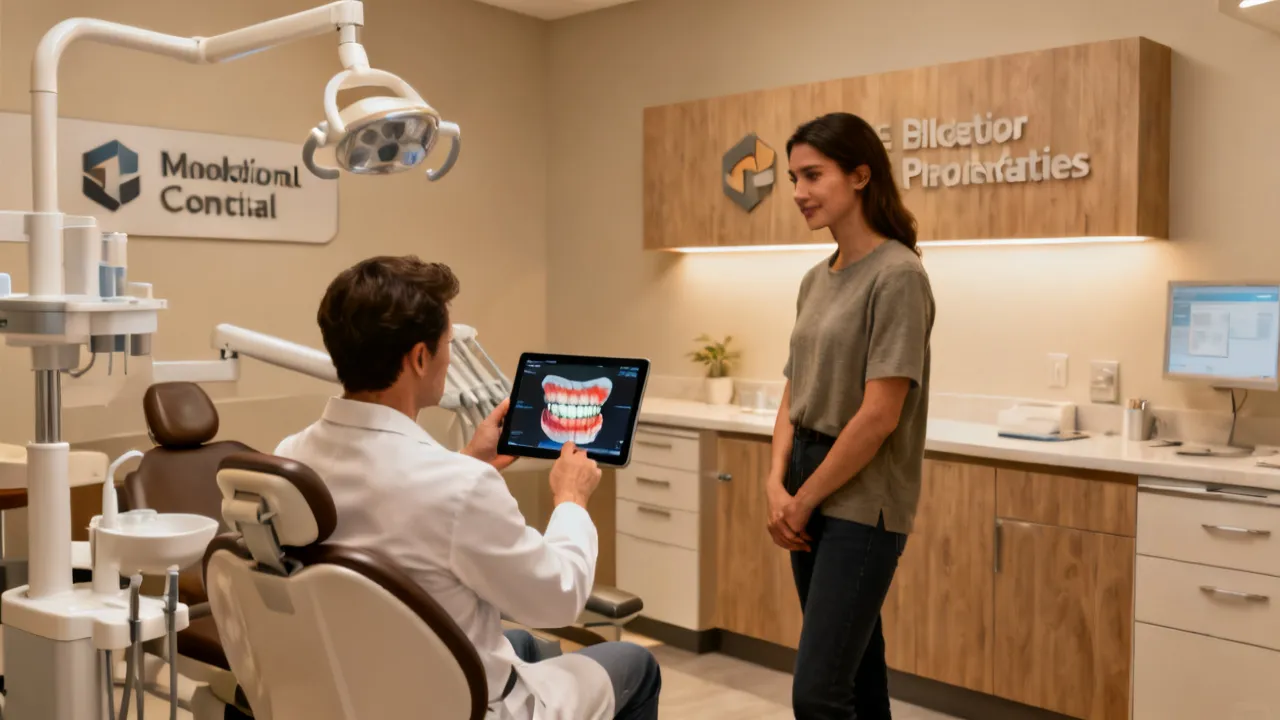
How to Choose an Orthodontist Nearby
How to Choose an Orthodontist Nearby
Choosing the Right Orthodontist Nearby for Implants
How to Choose an Orthodontist Nearby for Implants
Orthodontist in My Area: Costs, Options, and Guidance
How to Choose an Orthodontist Nearby
This guide explains how to find an orthodontist nearby, what to expect from modern orthodontic care, and how dental implant planning can affect bite and jaw alignment. It also outlines how low-cost options are evaluated across English-, Spanish-, and Portuguese-speaking markets, with practical steps and reference cost ranges (prices vary by case and location).
How to Choose an Orthodontist Nearby
This guide helps you evaluate an “Orthodontist in My Area” through objective criteria, including qualifications, treatment philosophy, and orthodontic care coordination. It also explains how dental implant pricing and affordable options are often approached in English-, Spanish-, and Portuguese-speaking countries, with practical cost ranges and decision steps.
Finding an Orthodontist Nearby for Quality Care
This guide helps you evaluate an Orthodontist in My Area by focusing on clinical fit, treatment planning, and cost transparency—especially for patients considering implant-adjacent orthodontics. It also summarizes low-cost implant information from reputable English-, Spanish-, and Portuguese-speaking resources, and provides practical steps to pursue affordability without compromising safety.
Finding an Orthodontist Nearby for Smart Treatment
This guide helps you choose an Orthodontist in My Area nearby by explaining how care is planned, what to ask during consultations, and how costs for dental implants are typically structured. It also compares information sources for low-cost implant guidance in English-, Spanish-, and Portuguese-speaking countries, with practical steps and estimated cost ranges for implants by country.
How to Choose an Orthodontist Nearby
This guide helps you find an “Orthodontist in My Area” with an evidence-based approach—what to ask, how orthodontic treatment works, and how to evaluate costs responsibly. It also explains how dental implant and orthodontic planning can intersect, compares low-cost implant information resources, and provides practical pricing ranges by country for reference purposes only.
How to Choose an Orthodontist Nearby
This guide explains how to find the right “Orthodontist in My Area” while evaluating dental implant affordability, treatment pathways, and practical next steps. It provides objective background on orthodontic care, what to expect during consultations, and how low-cost implant options may be structured across English-, Spanish-, and Portuguese-speaking countries, including cost ranges for single implants.