English

This guide helps you find an “Orthodontist in My Area” with an evidence-based approach—what to ask, how orthodontic treatment works, and how to evaluate costs responsibly. It also explains how dental implant and orthodontic planning can intersect, compares low-cost implant information resources, and provides practical pricing ranges by country for reference purposes only.
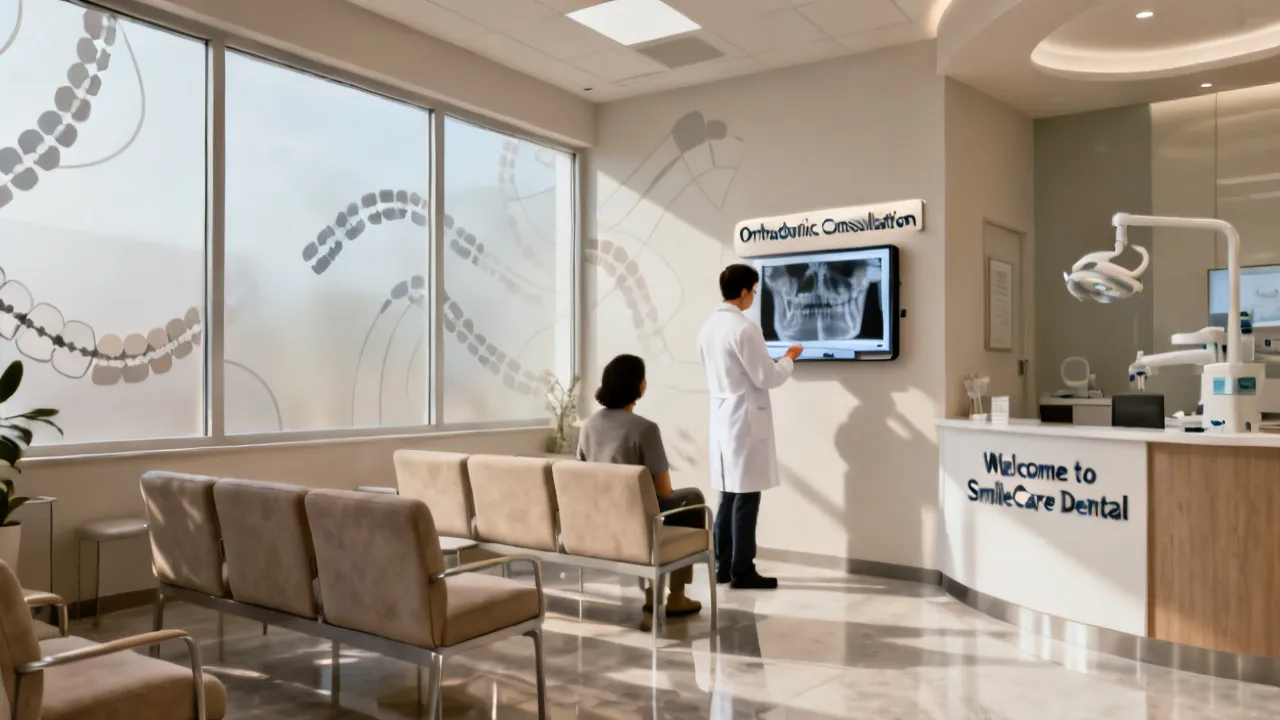
Finding an Orthodontist in My Area is more than picking a clinic with the closest address, a friendly receptionist, or a quick availability slot. Orthodontic results depend on diagnostic quality, treatment sequencing, and the consistency of follow-up—and those are the elements most likely to be missed when someone chooses purely on convenience. If you want objective outcomes, prioritize (1) documented diagnostic methods, (2) a clear treatment plan you can explain back to your clinician, and (3) a transparent fee structure that clearly includes adjustments and retention follow-up. If your case involves missing teeth, jaw alignment, or bite concerns, ask how orthodontic treatment interacts with restorative options such as crowns, bridges, and dental implants, including whether the orthodontist will coordinate with the team that will place the implants or restore the final teeth.
In practice, the top outcomes come from coordinated planning rather than “fast fixes.” A strong orthodontic approach typically includes comprehensive imaging and records (commonly intraoral scans, panoramic radiographs, cephalometric X-rays, and bite assessment), a risk assessment (for example, root resorption risk, gum health considerations, or periodontal concerns), and a treatment pathway that matches your goals—straightening, bite correction, functional improvement, and long-term stability.
When assessing “nearby” options, it also helps to think like a project manager. Orthodontics is not a single appointment or a single device; it is a multi-month or multi-year sequence with measurable checkpoints. If your clinician can’t clearly outline that sequence, it becomes harder to know whether you’re getting a plan designed for your biology and your goals—or simply a generic approach that may require rework.
Finally, remember that stability and retention are where many orthodontic experiences either succeed quietly or fail after active treatment ends. Choose a practice that treats retention as a formal, documented stage—not an afterthought.
People typically search “Orthodontist in My Area” when they notice issues such as crowding, misalignment, overbite/underbite, crossbite, uneven smiles, unwanted tooth rotation, or trouble chewing. Sometimes the concern is purely aesthetic—teeth that look “off” in photos—but often it is functional. Bite imbalance can make it harder to chew evenly, can contribute to jaw discomfort, or can increase wear patterns on teeth.
Many adults also search after years of postponing orthodontics due to cost, work schedules, or uncertainty about whether treatment will affect daily life. Adults often want to understand appliance options that are discreet (like clear aligners) or that can fit around professional responsibilities. They may also need the orthodontic plan to coordinate with existing dental work—crowns, fillings, root canal-treated teeth, or previous restorations—so they don’t end up with surprises later.
From an industry perspective, the underlying driver is usually one or more of these:
Another reason search behavior matters is that it shapes what you’ll see online. Many clinics advertise heavily in local search results. That advertising can be helpful, but it can also obscure details that patients need to evaluate quality—like diagnostic steps, retention protocols, or how complex cases are handled. That’s why your evaluation should be anchored in the practice’s documented process rather than in the most prominent marketing claim.
In other words: you’re not only trying to find an orthodontist near you—you’re trying to find an orthodontic team whose workflow matches the complexity of your case.
Orthodontists are trained to diagnose and treat dental and facial alignment problems. General dentists can spot alignment issues and may provide referrals, but orthodontic treatment often requires specialized records, biomechanics, and long-term stability planning. When evaluating an Orthodontist in My Area, verify that the practice emphasizes orthodontic records and evidence-based mechanics rather than only general checkups.
What good orthodontic care usually includes:
It can also help to evaluate the practice’s “orthodontic culture.” Do they speak in terms of diagnosis and staging, or in terms of short appointments and quick transformations? Orthodontics is an iterative science. A good clinic will discuss how the plan adapts if teeth respond differently than predicted (which is normal).
Additionally, you can assess how the practice handles complexity. For example, patients who need additional dental work—such as filling replacements, crown lengthening, periodontal treatment, extraction coordination, or implant-related sequencing—should expect orthodontics to be integrated into the larger dental plan. A clinic that only focuses on moving teeth without considering the rest of the mouth may create long-term inefficiency.
When in doubt, ask what percentage of the practice’s caseload is orthodontic and what training the clinician has in orthodontic mechanics and retention. Orthodontic expertise is not something you should infer—you should confirm.
Cost transparency is an important part of choosing an orthodontist nearby. However, “low cost” should not be treated as “low quality” or “best value” by default. Instead, “value” means aligning price with the complexity of your case, the diagnostic rigor, the materials used, and—very critically—the quality of follow-up and retention. An inexpensive quote that excludes key elements (or leads to additional fees later) can become more expensive in practice than a slightly higher quote that is fully inclusive.
Common pricing structures include:
If a clinic advertises aggressive discounts, ask what is excluded: imaging, retainers, adjustments, emergency visits, replacements for lost devices, additional appointments for missed scheduling, or costs related to refinements (which can occur when teeth don’t track exactly as planned). These details affect your true total cost.
Also consider the hidden cost categories people often forget to ask about:
One good question to ask is: “If my course requires extra time, what happens to cost?” Reputable practices can explain how they handle extensions and what factors trigger them.
Affordability also includes logistics. For many people, “nearby” matters because it reduces travel time and supports the scheduling rhythm needed for orthodontics. If your clinic requires long drives for frequent adjustments, you may end up missing appointments or cutting corners—both of which can compromise results.
While orthodontics and dental implants are different services, they may intersect in real treatment planning—especially when teeth are missing or when bite correction changes the space needed for prosthetic replacement. If you need both alignment and replacement of missing teeth, a coordinated plan can prevent delays, reduce rework, and help ensure that the final bite and the final restorations match each other.
Several scenarios create overlap:
Orthodontics can be particularly useful when it helps create ideal implant spacing and alignment. However, the timing matters. For example, placing an implant too early without ensuring proper orthodontic alignment could compromise prosthetic aesthetics or function later. Conversely, delaying too long might prolong the time a patient goes without a permanent replacement tooth.
Several online resources focus on affordability and planning for dental implants, including explanations of process steps, types of implants, and common questions. One example is Dental Views, which centers on low-cost implant options and discusses pricing factors and procedural steps. Another relevant clinic resource is Atlantic Dental Group, which describes multiple dental services (including orthodontics and implants) and helps patients understand scheduling and clinical team roles. For patients comparing cross-border options, DentaVacation provides perspectives on dental tourism and cost comparisons, which can be relevant if you are evaluating travel for care.
Insurance and payment planning can also affect affordability. For example, ADHP (American Dental Health Plans) provides information about dental insurance options and how coverage may reduce out-of-pocket expenses. Even when orthodontic costs are a major concern, implant-related expenses can sometimes be managed through insurance planning and staged procedures (depending on your clinical situation).
When you have overlapping needs, ask for a “whole-mouth plan” discussion. A strong clinic should be able to explain how orthodontic objectives relate to implant objectives—especially final tooth position, bite contact points, and aesthetics.
Because affordability is often a key part of the conversation, it can help to compare websites that explain low-cost implant approaches and the variables that influence pricing. The goal isn’t to choose your treatment solely based on a webpage—surgical outcomes depend on clinical evaluation, anatomy, surgeon experience, and follow-up care. Instead, these resources help you build a baseline understanding before you speak with clinicians.
The table below summarizes high-level focus areas of several sources. It is not a guarantee of cost savings, but it can help you structure your research and decide which questions to bring into your consultation.
| Website focus | What patients typically learn | Practical value |
|---|---|---|
| Low-cost dental implants information | Implant benefits, types of implant-related treatments, process overview, and cost-related FAQs | Good for building a baseline understanding before consulting a clinician |
| Clinic service overview (multi-service) | Range of dental treatments and how to schedule; often includes orthodontics, implants, and urgent care topics | Useful when you want a clinic that can coordinate multiple needs |
| Dental tourism comparison framework | Cost comparisons across destinations, procedural options abroad, and travel arrangement considerations | Helpful for structured planning if you consider cross-border care |
| Dental insurance coverage education | How insurance plans work, coverage concepts, and application guidance | Useful for identifying what might be covered and what remains out-of-pocket |
source: [www.dentalviews.com](https://dentalviews.com/low-cost-dental-implants/) ; [www.atlanticdentalgrp.com](https://www.atlanticdentalgrp.com/) ; [www.dentavacation.com](https://www.dentavacation.com/) ; [www.rockvilledentalarts.com](https://www.rockvilledentalarts.com/es/)
(Source note: the comparison above is based on the stated themes and informational purpose of each site.)
To use these resources wisely, try to extract the underlying “cost drivers” and “process milestones” rather than focusing only on the price labels. For example, you’ll want to understand whether low-cost approaches change:
If two offers look similar on price but differ in these areas, the cheaper one may not be truly comparable.
Because orthodontic and implant planning can overlap, many patients explore ways to lower implant costs. While exact pricing requires a personal clinical assessment, the steps below reflect common, practical pathways used in English-speaking and multilingual healthcare markets. The common theme is not “cutting corners,” but rather making sure you understand what you are paying for and whether less expensive options are clinically appropriate.
If your main concern is “low cost,” it is easy to focus on the surgery fee only. Instead, ask about cost at every stage: planning, surgery, prosthetic delivery, adjustments, and maintenance. Many patients find that the most affordable offer becomes less affordable once you add what other clinics include.
Below are reference ranges for individual dental implants by country. These figures are provided for planning context only and can vary widely based on clinical complexity, the need for bone grafting, prosthetic selection, and local market fees. Use them to compare whether a quote is roughly within a plausible range—then rely on a written individualized plan for accuracy. In particular, consider that “single implant” prices may or may not include prosthetic components depending on the provider’s quote style.
| Country | Currency | Price range (single implant) |
|---|---|---|
| United States | USD | $3,000 - $6,000 |
| United Kingdom | GBP | £2,000 - £2,500 |
| Australia | AUD | AU$3,500 - AU$6,500 |
| Canada | CAD | CA$3,000 - CA$5,500 |
| Spain | EUR | €1,500 - €2,500 |
| Chile | CLP | CLP$800,000 - CLP$1,500,000 |
| Mexico | MXN | $15,000 - $25,000 |
| Colombia | COP | $2,000,000 - $4,000,000 |
| Peru | PEN | S/ 3,000 - S/ 6,000 |
| Argentina | ARS | $80,000 - $150,000 |
| Brazil | BRL | R$3,000 - R$8,000 |
| Portugal | EUR | €1,000 - €2,000 |
| Germany | EUR | €2,000 - €3,500 |
| France | EUR | €1,500 - €2,500 |
| Italy | EUR | €1,500 - €3,000 |
| Japan | JPY | ¥300,000 - ¥700,000 |
To interpret these ranges, ask yourself:
Patients often feel discouraged when the quote they receive is above the reference range. Instead of assuming it’s overpriced, ask for the reason. Many times, the higher cost reflects additional complexity or inclusion of services that the cheaper quote did not include.
If you’re looking for an Orthodontist in My Area and you prefer care in English or another language, it can help to identify clinics and informational sources that explicitly support those communities. Language access matters because orthodontics requires understanding instructions, tracking progress, and communicating about discomfort, appliance issues, and scheduling changes. If you don’t fully understand the treatment plan, it becomes harder to comply with the regimen necessary for success.
Language-access doesn’t only apply to websites. It applies to the clinic experience itself. If you book an appointment, ask whether interpreters are available, whether the team can communicate in your preferred language, and whether written instructions are provided in a readable format for your family members (since orthodontic care often involves support at home).
When your goal is an Orthodontist in My Area, use a checklist that focuses on clinical planning and accountability. The most reliable indicators are not just marketing claims, but what the clinic can clearly explain and document. A good orthodontic provider should be able to answer questions with specificity rather than vague promises.
Request written documentation that reflects your understanding: expected steps, follow-up schedule, estimated total cost, and what’s included. If you feel pressured, pause and ask for additional time to review. A written plan also helps you compare options between two clinics without relying on memory.
When you receive the plan, confirm it includes:
It’s also wise to keep a personal “question log” for any follow-up appointments. When you write down your concerns as they occur, the clinic’s responses become more actionable.
Ask about their diagnostic record process, treatment planning approach, retention protocols, and the proportion of orthodontic cases in their practice. A clinic that regularly performs orthodontic exams and records for multiple appliance types can usually explain their process clearly. You can also ask to see sample treatment plans (anonymized), examples of before/after cases similar to yours, and how they handle retention after braces or aligners.
Another practical indicator: ask who develops the treatment plan. In high-quality practices, the plan is not delegated to guesswork; it is developed with evidence and reviewed. If the answers are vague or overly promotional, treat that as a sign to ask more questions.
Sometimes, yes. If you have missing teeth or require space creation, orthodontics can change the positioning and spacing that implants may later require. Many clinicians coordinate sequencing so implant placement aligns with the final bite and prosthetic needs. A comprehensive plan based on imaging is essential. Ask your orthodontist whether they coordinate with an implant team and what timing they recommend for you.
You may also want to ask about interim solutions. For example, if you need an implant later, will you receive a temporary tooth replacement while orthodontics continues? Interim options can improve comfort and confidence during the waiting period.
Ask for an itemized quote or a clear statement of what is included: exams, imaging, appliance materials, adjustments, retainers, and any additional procedures. Also ask about missed appointment policies and any extra fees for emergencies. Most importantly, ask about refinements and retention after active treatment ends.
When you compare costs between clinics, ask each clinic the same questions so you’re comparing true “apples to apples.” If one clinic includes more components, it may look more expensive upfront but could be better value long-term.
Not necessarily. Aligners may reduce certain appointment components, but total cost depends on how many aligner sets are needed, whether attachments or refinements are required, and how retention is handled. Some cases require braces or a hybrid approach for precise control. The top value is the approach that achieves your measurable outcomes safely and with stable retention—not the approach that appears cheapest at the start.
When discussing aligners, ask about tracking reliability for your specific bite issue. Not all movements are equal in difficulty, and your orthodontist should be able to explain which tooth movements will be straightforward and which may require refinement.
Use low-cost resources to understand concepts and typical cost drivers (procedure steps, components, follow-up). Then base your decision on a clinician’s personalized assessment, written breakdown, and documented follow-up plan. If something is “low cost,” ask what technical variables explain the difference—implant system type, surgical complexity, prosthetic design, imaging, grafting needs, and follow-up schedule.
Safety is not only about the surgery itself; it is also about planning accuracy and postoperative monitoring. A low-cost option that reduces planning quality or follow-up may increase risk. Ask whether the clinic uses appropriate imaging and whether they have a defined maintenance and complications plan.
It can reduce some expenses for certain patients, but it introduces variables such as travel logistics, timing of recovery, and the need for ongoing follow-up. If you consider it, plan for complete aftercare and confirm how issues are handled post-procedure. Ask how you will receive follow-up if you are traveling home and something unexpected occurs.
Also consider that implants often involve multiple phases. If your final crown or prosthetic is scheduled later, your ability to return for additional visits can impact both cost and outcome. Make sure the clinic and the treatment timeline align with your ability to travel.
Common factors include bone quality and whether grafting is needed, the number of implant sites, implant system selection, prosthetic design, imaging requirements, surgical complexity, and local market fees. Complexity changes total pricing more than brand names alone.
From a patient perspective, you can often anticipate cost variation by asking about the implant site’s anatomy. If the implant must be placed in a challenging location or requires additional procedures for bone augmentation, that is where costs often rise. The right clinical question is not “Why is it more expensive?” but “What exactly is included, and what additional steps are necessary for my outcome?”
If you’re balancing an orthodontic plan with budget considerations, treat affordability as a process rather than a single number. Start with diagnostics, confirm the treatment pathway, and then evaluate cost against included services and follow-up. For cases involving missing teeth or bite instability, ask whether your orthodontist coordinates with restorative providers—including implant teams—to minimize rework.
It can also help to think in stages and align your budget to the stage requirements. For example:
If you’re also planning dental implants, consider asking your orthodontist questions that connect to implant success. For example: how does your orthodontic plan influence implant spacing, tooth position, and bite forces? If the clinician can explain these links, you’re more likely to get a coordinated result rather than a set of disconnected treatments.
Another practical strategy is to request multiple quotes and then compare them based on inclusions. A quote that is slightly higher may still be cheaper in the long run if it includes: comprehensive records, all adjustments, adequate retention care, and coordination with other specialties.
Finally, remember that an Orthodontist in My Area should help you understand what is necessary, what is optional, and what outcomes to expect. With transparent planning, measurable goals, and documented follow-up, you can pursue a confident smile while keeping financial risk under control. When you feel confident that the plan is clear, the process becomes less stressful—because you know what will happen next and why.
1) The above information comes from online resources, and the data is as of October 2023. 2) Dental implant prices are for reference only and may vary by region, clinic and doctor.
How to Choose an Orthodontist Nearby
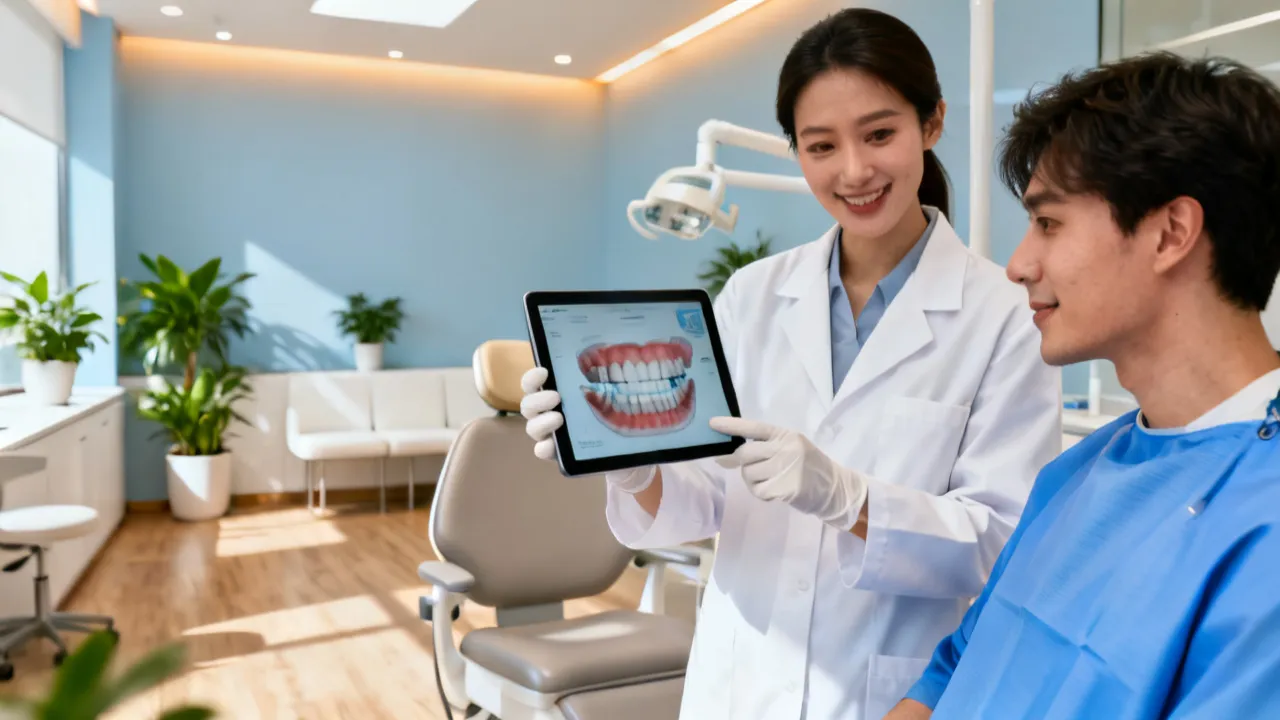
How to Choose an Orthodontist Nearby
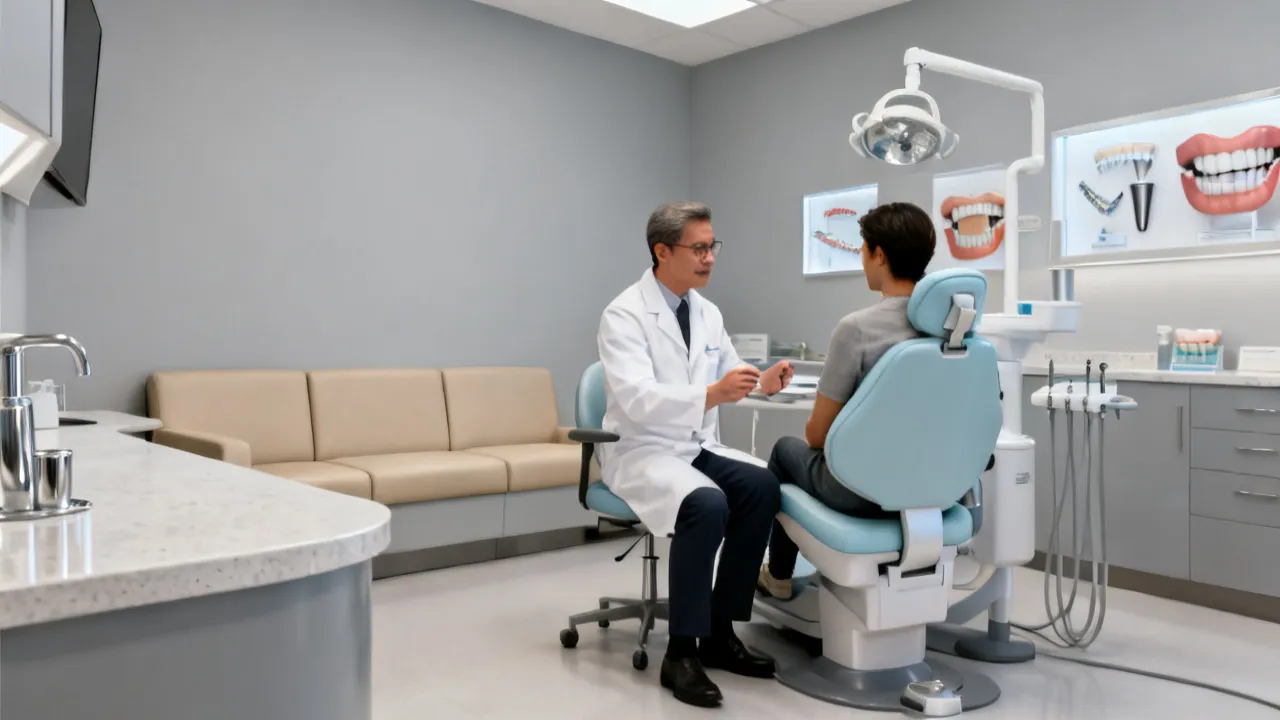
Finding an Orthodontist Nearby for Quality Care
Finding an Orthodontist Nearby for Smart Treatment
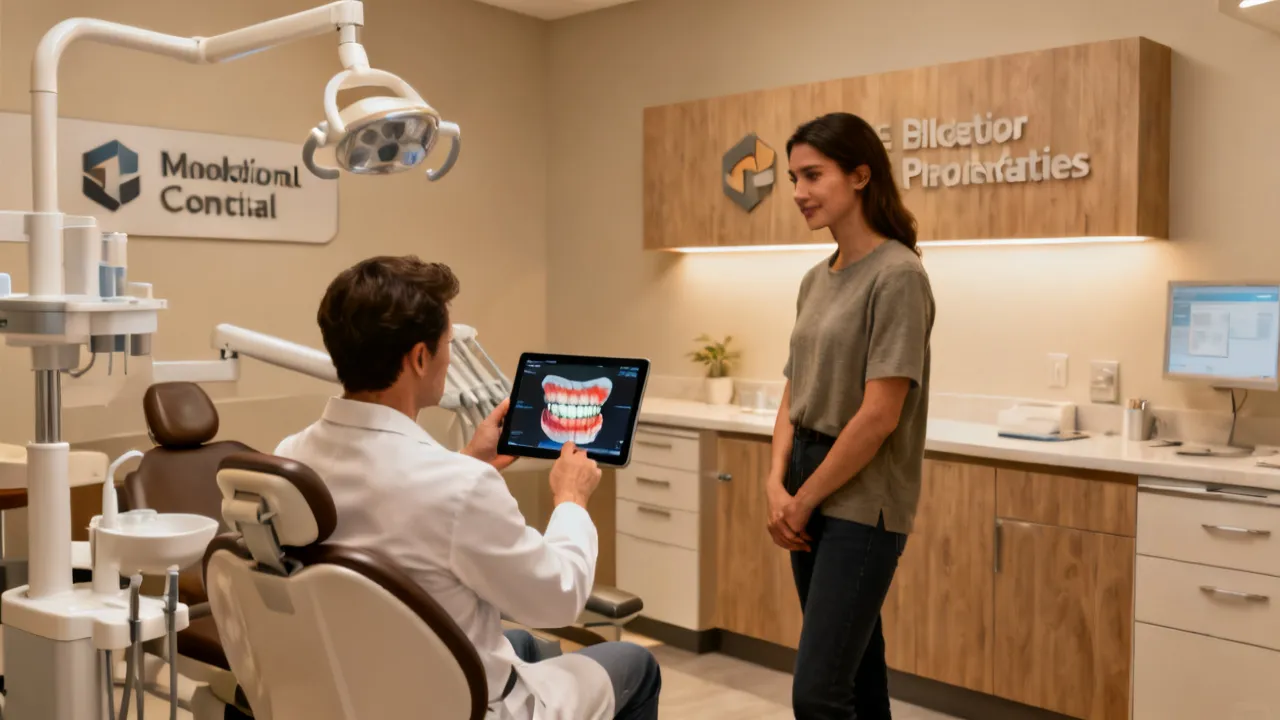
How to Choose an Orthodontist Nearby
How to Choose an Orthodontist Nearby
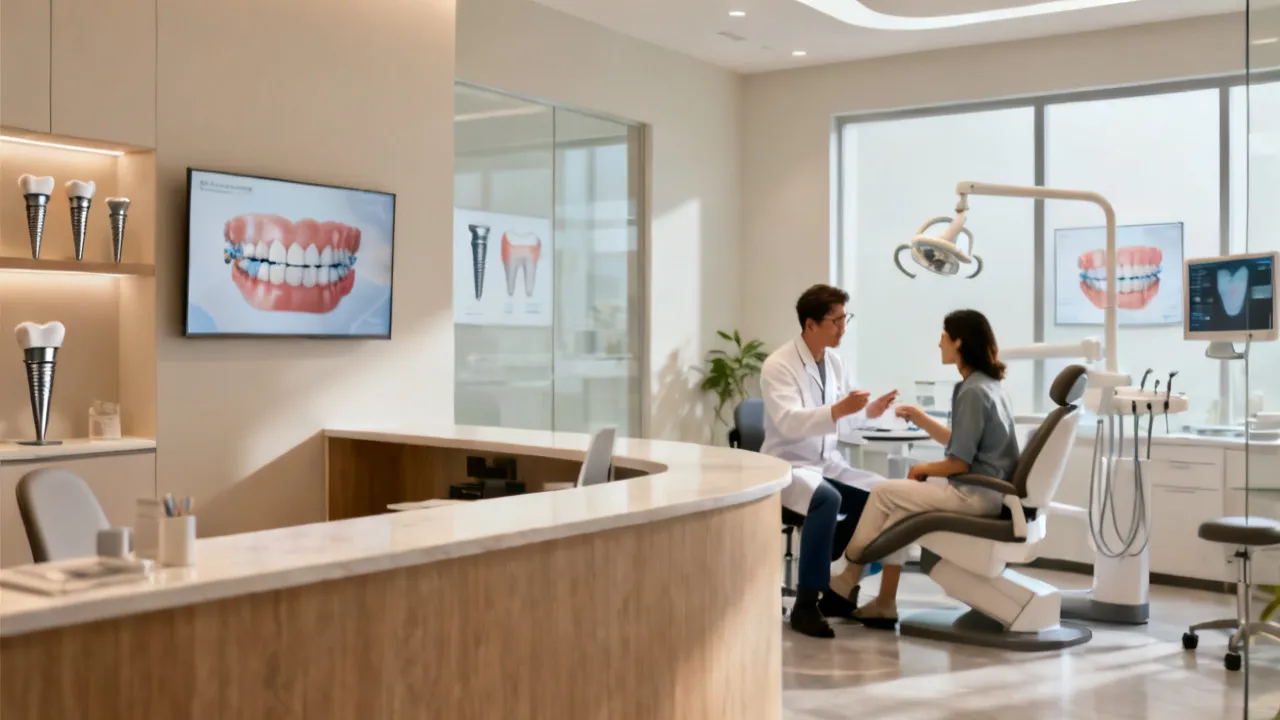
Choosing the Right Orthodontist Nearby for Implants
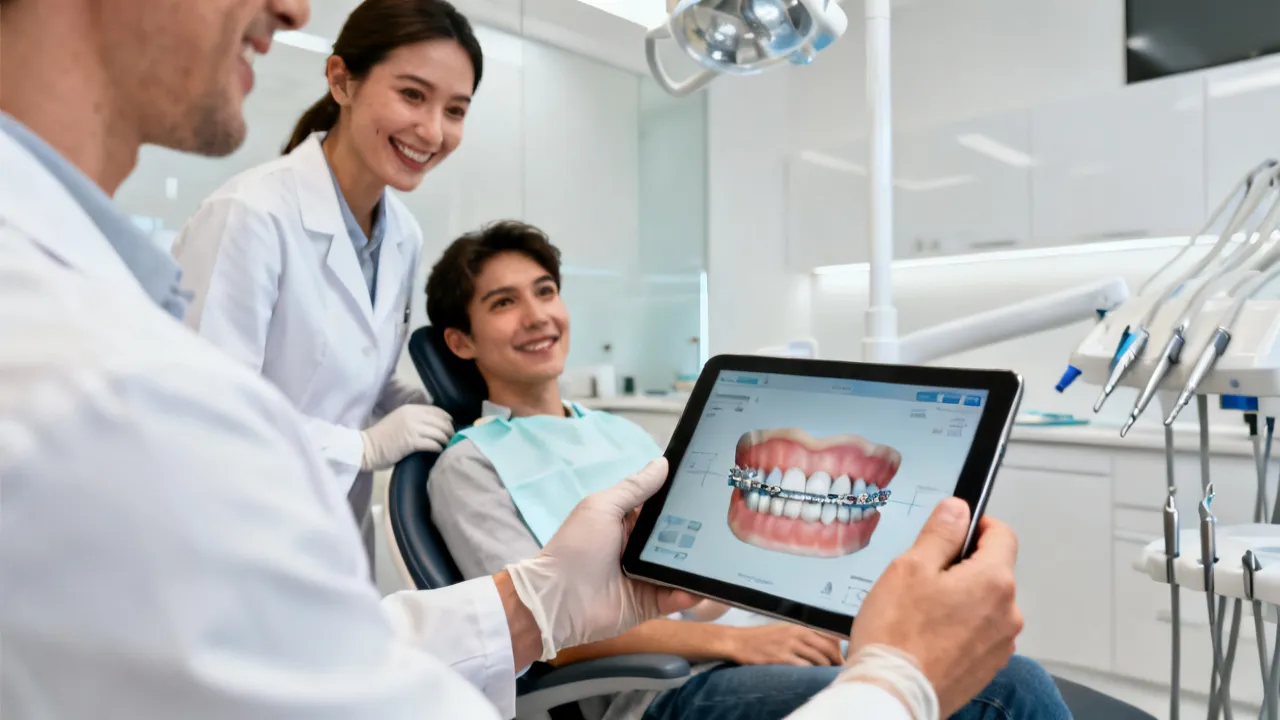
How to Choose an Orthodontist Nearby for Implants
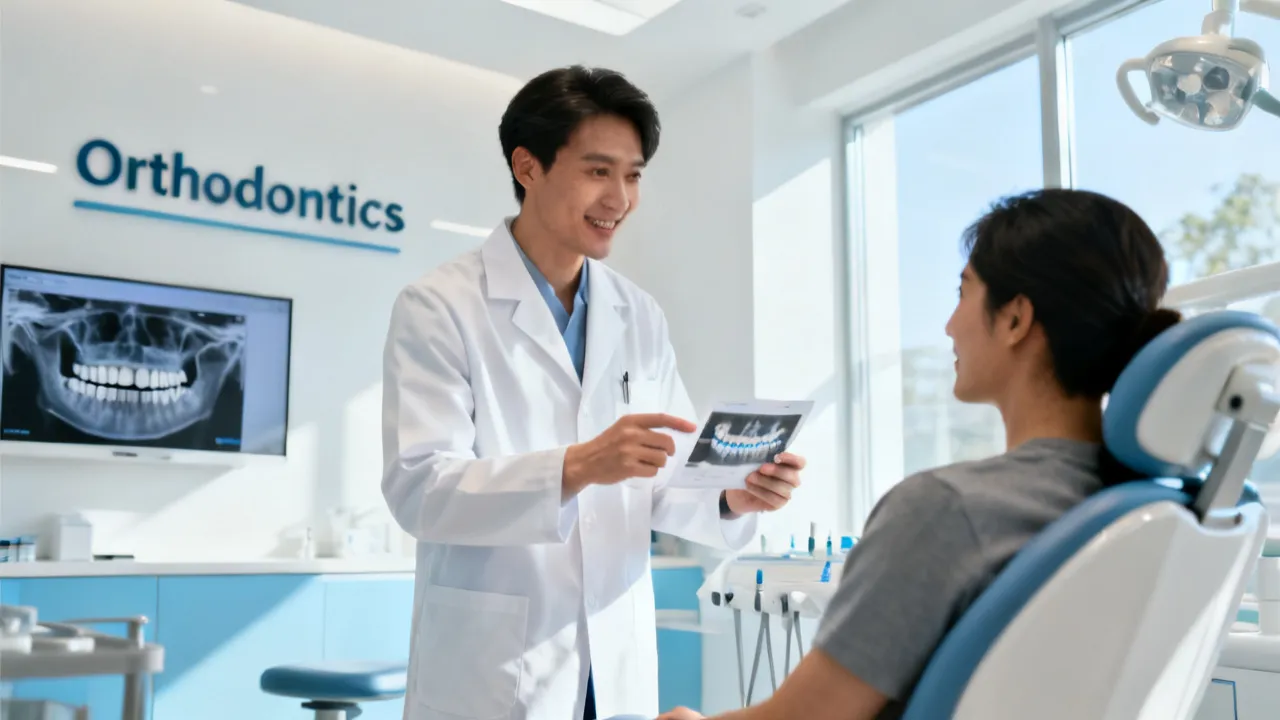
Orthodontist in My Area: Costs, Options, and Guidance
How to Choose an Orthodontist Nearby
This guide explains how to find an orthodontist nearby, what to expect from modern orthodontic care, and how dental implant planning can affect bite and jaw alignment. It also outlines how low-cost options are evaluated across English-, Spanish-, and Portuguese-speaking markets, with practical steps and reference cost ranges (prices vary by case and location).
How to Choose an Orthodontist Nearby
This guide helps you evaluate an “Orthodontist in My Area” through objective criteria, including qualifications, treatment philosophy, and orthodontic care coordination. It also explains how dental implant pricing and affordable options are often approached in English-, Spanish-, and Portuguese-speaking countries, with practical cost ranges and decision steps.
Finding an Orthodontist Nearby for Quality Care
This guide helps you evaluate an Orthodontist in My Area by focusing on clinical fit, treatment planning, and cost transparency—especially for patients considering implant-adjacent orthodontics. It also summarizes low-cost implant information from reputable English-, Spanish-, and Portuguese-speaking resources, and provides practical steps to pursue affordability without compromising safety.
Finding an Orthodontist Nearby for Smart Treatment
This guide helps you choose an Orthodontist in My Area nearby by explaining how care is planned, what to ask during consultations, and how costs for dental implants are typically structured. It also compares information sources for low-cost implant guidance in English-, Spanish-, and Portuguese-speaking countries, with practical steps and estimated cost ranges for implants by country.
How to Choose an Orthodontist Nearby
This guide helps you find an “Orthodontist in My Area” with an evidence-based approach—what to ask, how orthodontic treatment works, and how to evaluate costs responsibly. It also explains how dental implant and orthodontic planning can intersect, compares low-cost implant information resources, and provides practical pricing ranges by country for reference purposes only.
How to Choose an Orthodontist Nearby
This guide explains how to find the right “Orthodontist in My Area” while evaluating dental implant affordability, treatment pathways, and practical next steps. It provides objective background on orthodontic care, what to expect during consultations, and how low-cost implant options may be structured across English-, Spanish-, and Portuguese-speaking countries, including cost ranges for single implants.