English

This guide explains how to find an Orthodontist in My Area and how that choice connects to good outcomes—especially if you need dental implants. It also reviews online resources for low-cost implant information, outlines practical steps to obtain implants at lower cost in English-, Spanish-, and Portuguese-speaking countries, and summarizes typical price ranges by country.
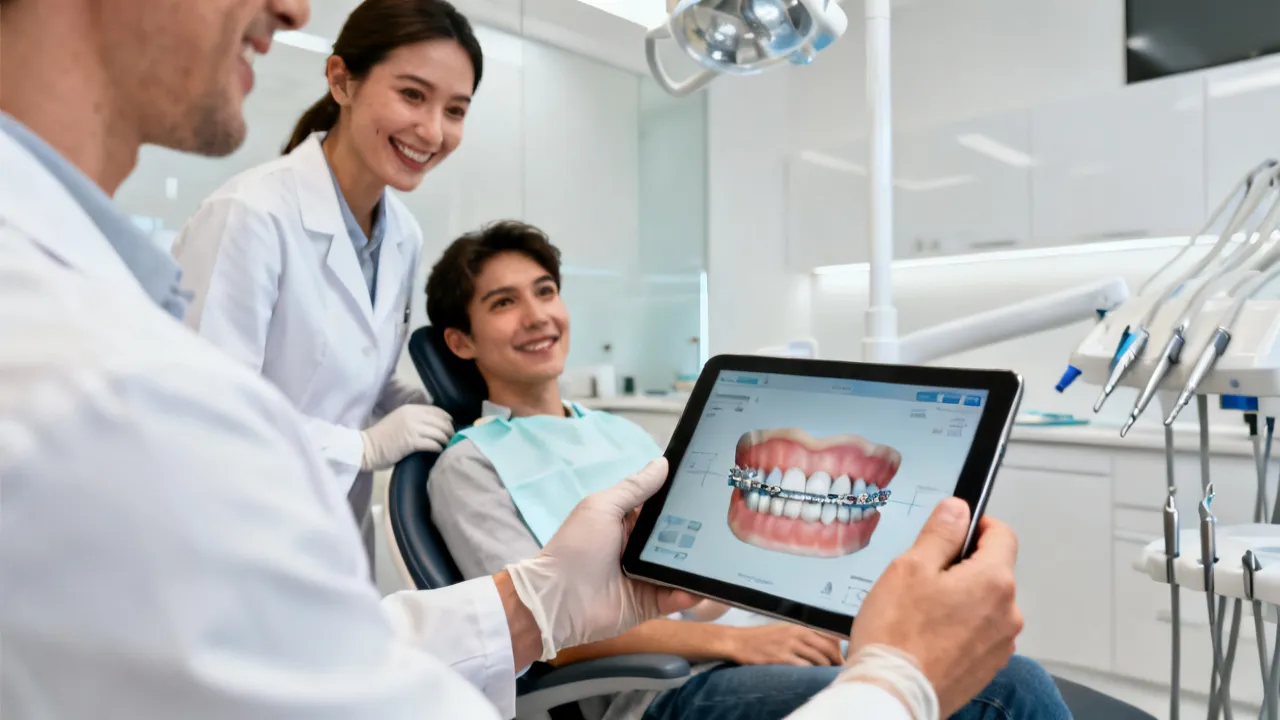
When patients search for an Orthodontist in My Area, they typically focus on the visible part of orthodontic care: braces, aligners, bite correction, crowding relief, and the confidence boost that often comes with improved aesthetics. Those are meaningful goals, but they are only one side of the orthodontic story. The other side—the part that many people don’t realize can quietly determine whether implants later feel comfortable, stable, and predictable—is the way orthodontic planning shapes the underlying structure that future implant dentistry depends on.
Implants are not simply “replacement teeth.” They are precision restorations anchored to bone, positioned in a three-dimensional space that must respect neighboring teeth, gum tissue architecture, and your bite mechanics. If your orthodontic work unintentionally creates an unfavorable tooth position—or if it fails to account for where future missing-tooth space and load distribution will need to be—then your implant options may shrink, your treatment timeline may extend, and the risk of complications may rise.
From an industry-oriented perspective, the “right” specialist is rarely the one with the shortest wait time, the most aggressive marketing, or the most basic quote. Instead, it’s the clinic that can explain—clearly and consistently—how orthodontics, restorative dentistry, and oral surgery coordinate. If you foresee missing teeth, complex spacing, uneven bite forces, or damaged teeth that may eventually require extraction, you want a care team that understands alignment and implant considerations together, not separately.
Consider the difference between “straight teeth” and “implant-ready spacing.” A person can look aligned while still having root angulations, tooth rotations, or bite relationships that make ideal implant positioning difficult. Likewise, a person can have adequate spacing at the crown level but have roots that block ideal implant pathways. The implant planning process often depends heavily on root positions, tooth tipping, and the vertical and horizontal dimensions of your jaw. These are largely influenced by orthodontic decisions—especially when extractions, replacements, or future restorative work are anticipated.
That’s why choosing your Orthodontist in My Area is not merely about correcting alignment today. It’s about setting up the conditions that make implant dentistry safer, more accurate, and often more affordable over time—because fewer “redo” steps typically means fewer unplanned visits, fewer revisions, and less long-term uncertainty.
Orthodontists are trained to diagnose tooth position, root angulation, and bite mechanics. Dental implants require bone support and careful placement relative to neighboring teeth and opposing teeth. In many modern treatment pathways, orthodontics and implants are not competing plans—they’re linked stages of a single long-term outcome.
When orthodontic treatment is planned alongside implant work, the care team often considers more than just “where the teeth are.” They evaluate how the teeth got there, how their roots relate to the future implant zone, how forces travel during chewing, and how the gum tissue will respond to movement and restoration. Key areas frequently include:
Bottom line: the top Orthodontist in My Area is one who can map your orthodontic goals to the restorative or implant pathway. They should not treat alignment in isolation when missing teeth, planned extractions, periodontal concerns, or bite-related wear are part of your future plan.
Early evaluation matters because orthodontic movement is biological and directional. If you commit to a plan that later proves incompatible with implant placement, your clinic may need to reverse or modify the outcome. That can mean additional orthodontic time, additional imaging, and additional cost. In contrast, an implant-aware orthodontic plan attempts to prevent those future conflicts from occurring in the first place.
Many people searching for affordability encounter pages that emphasize “low-cost” implants. That can be helpful for budgeting and can also help patients start conversations they might otherwise avoid. However, “low cost” is not the same as “low quality,” and it’s not guaranteed to be cost-effective. Sometimes the difference is simply that the package scope is narrower or that the clinic uses different materials or financing structures. Other times, “low-cost” may mean fewer included components—such as not including bone grafting, not including certain imaging, or not including the full implant-to-crown process.
To use low-cost information responsibly, you need to understand what is actually included. The internet can be noisy, and marketing language can hide key variables. For example:
Therefore, low-cost implant information should be treated as a starting point—not a final medical decision. The goal is to preserve clinical quality by translating marketing terms into a clear scope of work and confirming details directly with providers.
Below is a comparative interpretation of the kinds of emphases these sites generally include. This is not a certification of clinical quality, but it can help you interpret what each resource is trying to offer so you can ask better questions when you contact clinics.
| Website | What it tends to cover (feature comparison) |
|---|---|
| DentalViews (low-cost implant information) | Low-cost dental implant education, overview of implant benefits, common treatment pathways, and pricing-related FAQs. |
| Atlantic Dental Group | General clinic service coverage (cleaning, orthodontics, implants, emergency care) and appointment/clinic access information. |
| DentaVacation (dental tourism) | Cost-saving angle via cross-border treatment; discusses procedure options, cost comparisons, and logistics. |
| ADHP / American Dental Health Plans | Dental insurance plan navigation; helps users understand coverage and how insurance may reduce out-of-pocket costs. |
| Rockville Dental Arts (Spanish-language) | Comprehensive service descriptions (including orthodontics, implants, whitening, and emergency care) with Spanish-language accessibility. |
| Union City Mini Dental Implants (Spanish-language) | Focus on mini implants and suitability for specific cases; emphasizes specialized implant technology and small-area solutions. |
| Cigna (Spanish implant guide) | Insurance-oriented education about implants—what to expect, key considerations, and treatment understanding. |
| Rubi Odonto (Portuguese-speaking Brazil) | Clinic-based service offering (orthodontics, whitening, implants) with patient-review visibility and local care framing. |
| Odontologia Velasco (Portuguese-speaking Brazil) | Technology-focused clinic services (implants, prosthetics, aesthetic dentistry) aimed at modern treatment execution. |
| DentalVidas (Portuguese-speaking Brazil) | Dental plan orientation with network access, emergency hours, and customer testimonials. |
source: [www.dentalviews.com](https://dentalviews.com/low-cost-dental-implants/) ; [www.atlanticdentalgrp.com](https://www.atlanticdentalgrp.com/) ; [www.dentavacation.com](https://www.dentavacation.com/) ; [www.rockvilledentalarts.com](https://www.rockvilledentalarts.com/es/) ; [www.unioncityminidentalimplants.com](https://unioncityminidentalimplants.com/es/) ; [www.cigna.com](https://www.cigna.com/es-us/knowledge-center/guide-to-dental-implants) ; [www.rubiodonto.com.br](https://www.rubiodonto.com.br/) ; [odontologiavelasco.com.br](https://odontologiavelasco.com.br/) ; [dentalvidas.com.br](https://dentalvidas.com.br/)
Note: the table above summarizes what these resources generally emphasize; it does not certify clinical quality.
Affordability strategies work best when they are systematic. The process below is a practical guide you can use when contacting clinics, comparing options, and planning timelines. The overall intent is to keep orthodontic and implant considerations aligned—especially if missing teeth, crowding, or bite issues may affect your implant-ready outcome.
A common mistake is contacting clinics for a price before you get clarity on diagnosis. A “low cost” quote may be accurate for a narrow scenario, but not for your actual anatomy. A structured diagnostic consultation helps you avoid paying for something you later learn doesn’t match your needs.
When you get implant planning done early, you also gain leverage in negotiating cost ethically. Clinics that understand your case can sometimes propose cost-minimizing strategies—such as avoiding unnecessary grafting, using an efficient sequencing plan, or selecting restoration options that match your functional needs and budget.
Low-cost implant offers can mean different things. Some clinics offer competitive pricing with full scope. Others may reduce the price by excluding components or by assuming you won’t need additional procedures. To separate “low cost” from “limited scope,” ask targeted questions.
If a clinic cannot answer these questions clearly, that lack of clarity itself can be a cost risk. Ambiguity often leads to “add-on” charges later, and it’s difficult to compare two offers when the scope is unknown.
If you have dental insurance or can join a plan, insurance may reduce out-of-pocket costs for eligible components. For Spanish-speaking markets, insurance navigation can be particularly useful, because the process may involve different plan categories, co-pays, or waiting periods.
For English-speaking markets, insurance navigation pages can help you compare deductibles, coverage limits, and claim processes. Also consider how orthodontic phase affects coverage eligibility. Some policies treat orthodontics differently from restorative procedures. So even if your insurance helps with implants, it may not help with orthodontic alignment, or it may require separate authorizations.
Practical questions to ask:
To avoid misleading comparisons, compare at least the following items across clinics. If you compare only the lowest number, you may accidentally select a plan that excludes essential components.
It can be helpful to request a written estimate broken down by procedure. If you can’t get a breakdown, you should be cautious—because “low cost” may be a bundled discount with uncertain scope.
Some patients reduce cost by traveling for treatment, especially when pricing in another region seems more affordable. If you consider this strategy, treat it as a logistics-and-clinical continuity project, not simply “lower price.”
You should confirm the following:
This can be especially relevant when you are simultaneously searching for an Orthodontist in My Area for bite optimization. Continuity matters because orthodontic finishing often benefits from stable timing and predictable bite relationships.
Mini dental implants may be discussed as a specialized option in some cases. However, they are not a guaranteed cheap alternative and they are not suitable for all patients. Suitability depends on anatomy, stability, prosthetic needs, and the clinical environment.
Ask:
Lower cost can backfire if risks are ignored. You should ask your provider about risk factors that influence implant success.
Risk reduction may not always reduce upfront cost, but it can reduce the probability of re-treatment. In many real-world cases, preventing a problem is cheaper than fixing one later.
If you’re planning orthodontics (braces/aligners) and implants, ask for an integrated timeline. The point is not necessarily to finish orthodontics first or implants first—it’s to sequence them in a way that protects implant feasibility and optimizes bite.
When orthodontic timing is aligned with implant progression, you reduce the likelihood of needing to “re-do” space creation or of placing implants in a compromised environment.
The following ranges represent commonly cited reference figures for individual implant placement and associated components. Actual cost may vary significantly based on diagnostics, bone grafting needs, crown type, clinic setting, and treatment complexity. In addition, the total cost can change depending on whether the quote includes imaging, extractions, temporary restorations, and follow-up visits.
| Country | Currency | Price range (single implant) |
|---|---|---|
| United States | USD | $3,000 - $6,000 |
| United Kingdom | GBP | £2,000 - £2,500 |
| Australia | AUD | AU$3,500 - AU$6,500 |
| Canada | CAD | CA$3,000 - CA$5,500 |
| Spain | EUR | €1,500 - €2,500 |
| Chile | CLP | CLP$800,000 - CLP$1,500,000 |
| Mexico | MXN | $15,000 - $25,000 |
| Colombia | COP | $2,000,000 - $4,000,000 |
| Peru | PEN | S/ 3,000 - S/ 6,000 |
| Argentina | ARS | $80,000 - $150,000 |
| Brazil | BRL | R$3,000 - R$8,000 |
| Portugal | EUR | €1,000 - €2,000 |
| Germany | EUR | €2,000 - €3,500 |
| France | EUR | €1,500 - €2,500 |
| Italy | EUR | €1,500 - €3,000 |
| Japan | JPY | ¥300,000 - ¥700,000 |
Even if you are searching for Orthodontist in My Area because of alignment concerns, you can use the “implant question” as a diagnostic filter for clinic capability. A clinic that can coordinate implant-aware orthodontics should be able to do more than describe braces or aligners—they should be able to explain how orthodontic decisions influence implant planning later.
From an industry-expert standpoint, the clinic should be able to:
In practice, a clinic that understands implants can reduce “surprises.” For example, they can help you avoid moving teeth into a configuration that later forces an extraction or complex grafting. They can also communicate about occlusion and force distribution, which affects how well implants will feel and function.
Another important point is communication quality. If a clinic can explain your plan in a way that feels coherent and patient-centered, it often signals that the clinic’s workflow includes documentation, coordination habits, and an organized approach. That matters because implant dentistry relies heavily on records transfer and accurate planning.
If you have misalignment and missing teeth, low-cost implant goals can conflict with untreated crowding or bite imbalance. Crowding can change how the remaining teeth move and how the bite closes. Missing teeth also change forces: adjacent teeth may drift, altering spacing and making implant sites less favorable.
A clinic that uses structured planning can reduce the risk of having to repeat steps later. For affordability, “repeat steps” is one of the most expensive outcomes because it can double consults, extend treatment time, and increase restorative costs. In an ideal workflow, orthodontics addresses crowding first (or in a coordinated fashion) while ensuring the implant zone will remain usable.
Practical examples of what this can look like:
Some patients complete braces/aligners and then later pursue implants. If orthodontic finishing is rushed or done without implant-ready planning, crown positioning and occlusion may be less favorable. That can affect comfort, stability, and long-term satisfaction.
Even if orthodontics looks good on a scan, the bite relationship must be “implant-compatible.” In particular, the final restoration must be positioned so that chewing forces do not overload the implant or create abnormal stress. When orthodontic finishing and restorative planning are disconnected, the final crown may require adjustments, which can increase cost.
Affordable success often comes from preventing mismatches between orthodontic finishing and the restorative end-state. This is especially important if the implant will replace a tooth that plays a functional role in your bite—like molars or premolars.
In some cases, implants may be placed first, and orthodontic work later refines alignment and occlusion. Implant-first strategies can be attractive when immediate restoration is prioritized or when orthodontic delay would prolong symptoms or function limitations.
However, implant-first planning still requires orthodontic awareness. If the implant site needs future orthodontic integration—such as adjusting neighboring teeth or using orthodontics to refine spacing and bite—the orthodontist should verify space and angulation targets early.
Key questions to ask in this pathway:
When affordability drives dental tourism decisions, orthodontic coordination becomes even more critical. A local orthodontist near you still needs the records, implant system details, and a realistic timeline for finishing occlusion. If you travel for implant surgery but your orthodontic plan continues at home, continuity becomes a budget variable.
Dental tourism can reduce implant costs, but it can also add logistical and coordination costs—time off work, travel expenses, translation needs, and the cost of follow-up care if complications arise or if the restorative plan needs adjustment.
A coordinated approach might include:
If records are missing or unclear, orthodontic adjustments may not be safe or accurate. So even when “low cost” is your priority, the cheapest option isn’t always the best value when continuity risks are considered.
Orthodontists focus on alignment and bite mechanics. Dental implants typically involve implant dentistry/oral surgery and restorative planning. However, orthodontists play a key role when implants relate to spacing, bite optimization, and good load distribution. The top care model is coordinated treatment where each specialist addresses their domain with a unified plan.
In many modern cases, the orthodontist acts as a coordinator even if implant surgery is performed by a separate clinician. They help ensure that the teeth are positioned in a way that makes restorative work predictable.
During your first consultation, ask whether the clinic evaluates implant feasibility if you have missing teeth, planned extractions, or future restorative goals. Request a treatment sequence explanation and ask how the plan accounts for occlusion and implant positioning.
You can also ask whether the orthodontist collaborates with an implant specialist and how records are shared. If the clinic can describe a concrete workflow (imaging review, timelines, restorative integration), that’s a good sign.
It varies by clinic and country. Some offers include imaging and consultation; others cover only implant placement. To compare accurately, request a written scope that states what’s included (implant, abutment, crown, follow-up visits, and whether grafting is covered). Also ask whether temporary teeth are included and what the plan is for managing bite during healing.
No—price is only one variable. A lower cost can be appropriate when the scope matches your needs and materials are specified. But if the plan omits essential components, offers unclear warranties, or lacks documented diagnostic imaging, the apparent savings may disappear.
In practical terms, a more expensive plan can sometimes be cheaper overall if it reduces the likelihood of revisions and if it includes materials that last longer or fit more accurately.
Mini implants are specialized options and are not automatically cheaper for every patient. Suitability depends on bone conditions, prosthetic design, and good stability factors. Ask for a clear rationale linked to your anatomy and expected bite forces.
If the clinic proposes mini implants as your default “low cost” solution without discussing suitability, that can be a red flag. Cost should follow diagnosis, not replace it.
Insurance can reduce out-of-pocket costs when coverage applies. Coverage structures differ widely by country and plan type, and some policies handle orthodontics separately from restorative procedures. Confirm coverage categories, limits, deductibles, and claim requirements before treatment begins.
Also confirm how pre-authorization works and whether your clinic is in-network. Out-of-network implant work can sometimes be partially reimbursed but may require additional documentation.
Some patients travel for affordability, but safety depends on clinic standards, documentation, follow-up care, and complication management. If you travel, ensure you can obtain records and that your local clinicians can coordinate ongoing care after treatment.
Safety isn’t just about the surgery—it’s also about what happens when healing goes differently than expected. Make sure there is a plan for complications and warranty support.
In practice, many “low-cost” opportunities are less about price alone and more about how well patients can communicate symptoms, preferences, and constraints. For Spanish-speaking patients, Spanish-language clinic resources such as comprehensive service pages can improve understanding of orthodontic, implant, and emergency options. For Portuguese-speaking patients in Brazil and Portugal, clinic sites and plan providers often frame services and plan access in ways that reduce friction during decision-making.
Language access matters because implant and orthodontic plans require detailed informed consent. Patients must understand timelines, risks, maintenance expectations, and the rationale behind sequencing. In that sense, the top Orthodontist in My Area is also a clinic that supports clear patient understanding.
Clear communication is also a financial issue: misunderstandings can lead to choosing plans that do not fully match expectations, or to delays that extend treatment time. When patients can ask questions in their preferred language, clinics can respond with more precise details—helping patients make better decisions early.
Practical ways to improve communication, regardless of country or language, include:
1) The above information comes from online resources, and the data is as of October 2023.
2) Dental implant prices are for reference only and may vary by region, clinic and doctor.
[dentalviews.com](https://dentalviews.com/low-cost-dental-implants/), [atlanticdentalgrp.com](https://www.atlanticdentalgrp.com/), [dentavacation.com](https://www.dentavacation.com/), [rockvilledentalarts.com (ES)](https://rockvilledentalarts.com/es/), [unioncityminidentalimplants.com (ES)](https://unioncityminidentalimplants.com/es/), [cigna.com (ES)](https://www.cigna.com/es-us/knowledge-center/guide-to-dental-implants), [rubiodonto.com.br](https://www.rubiodonto.com.br/), [odontologiavelasco.com.br](https://odontologiavelasco.com.br/), [dentalvidas.com.br](https://dentalvidas.com.br/)
How to Choose an Orthodontist Nearby
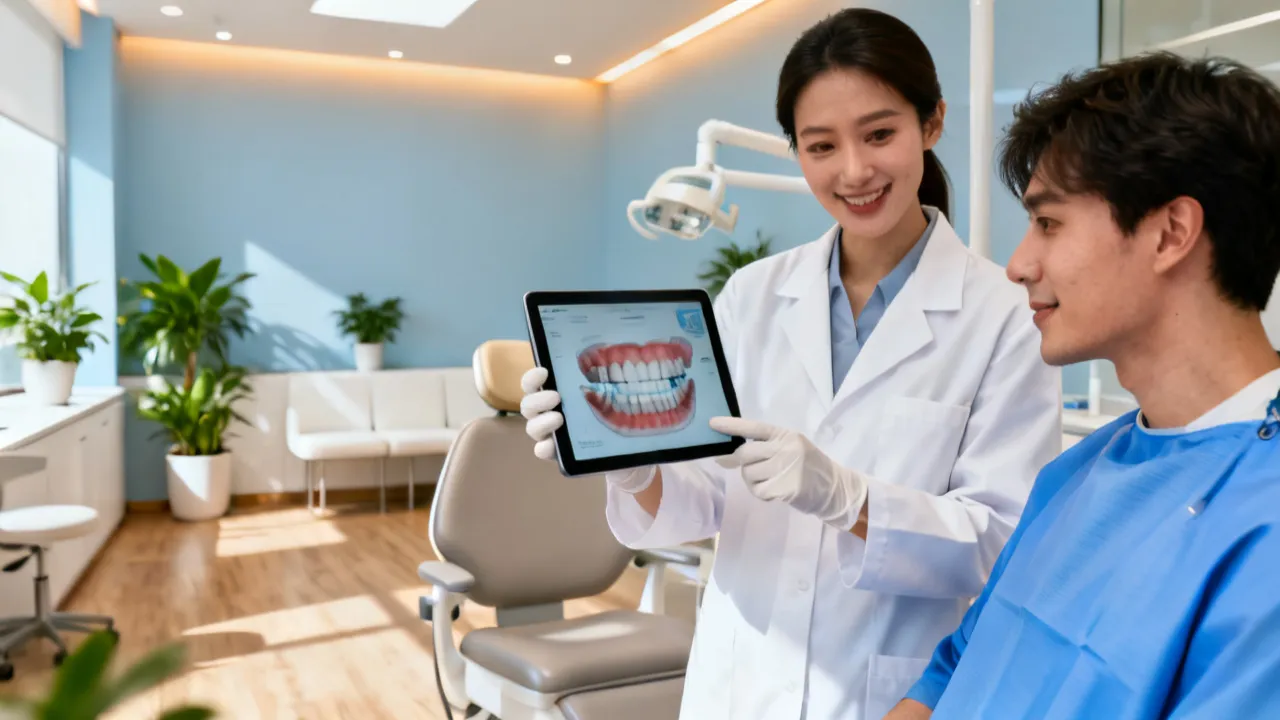
How to Choose an Orthodontist Nearby
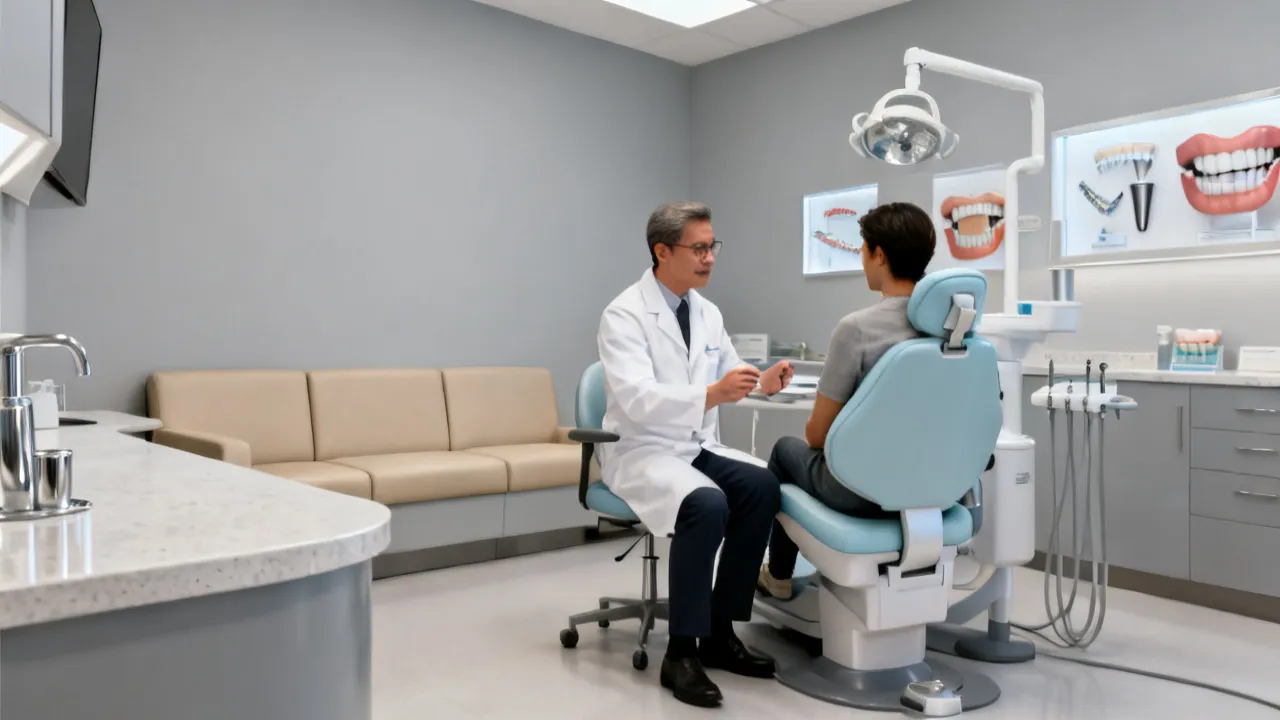
Finding an Orthodontist Nearby for Quality Care
Finding an Orthodontist Nearby for Smart Treatment
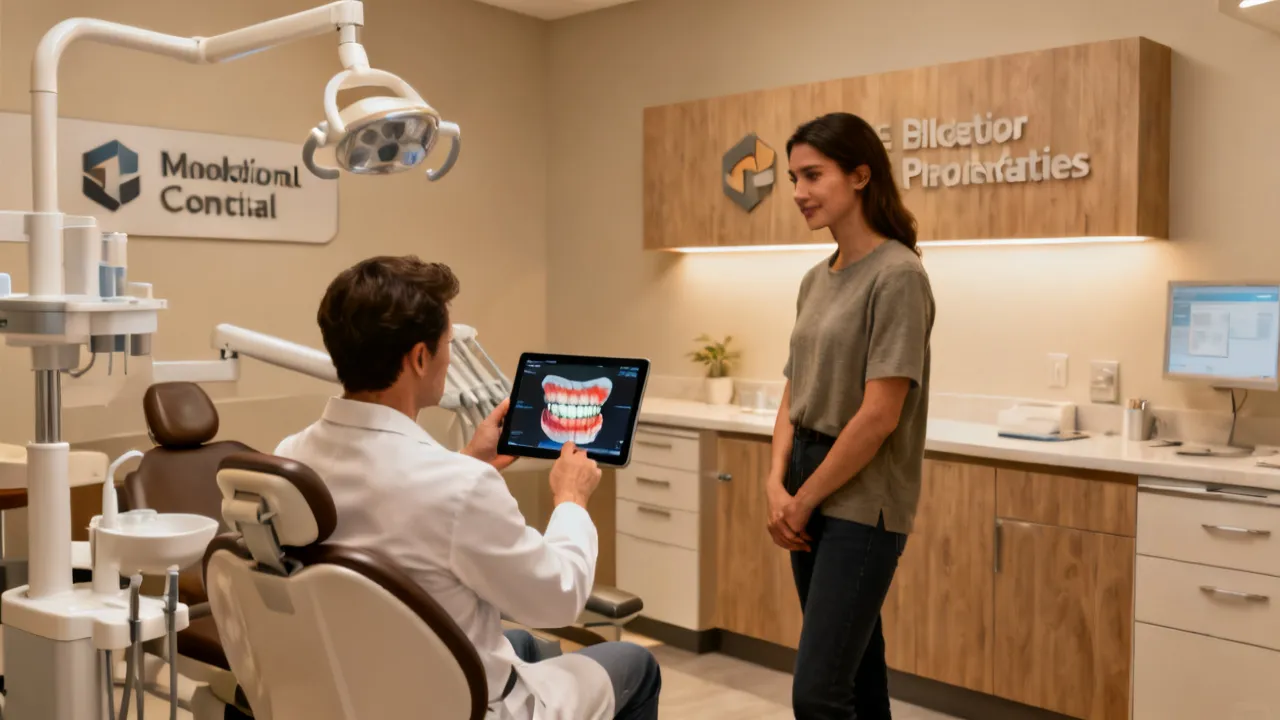
How to Choose an Orthodontist Nearby
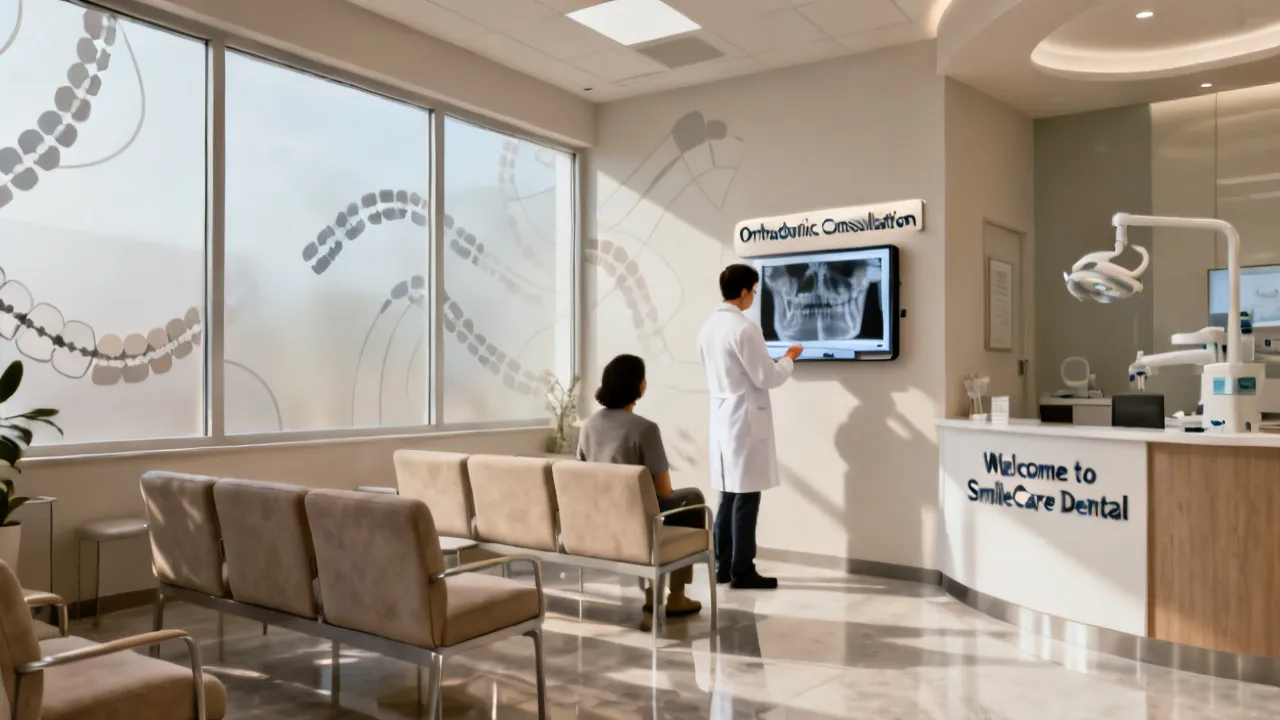
How to Choose an Orthodontist Nearby
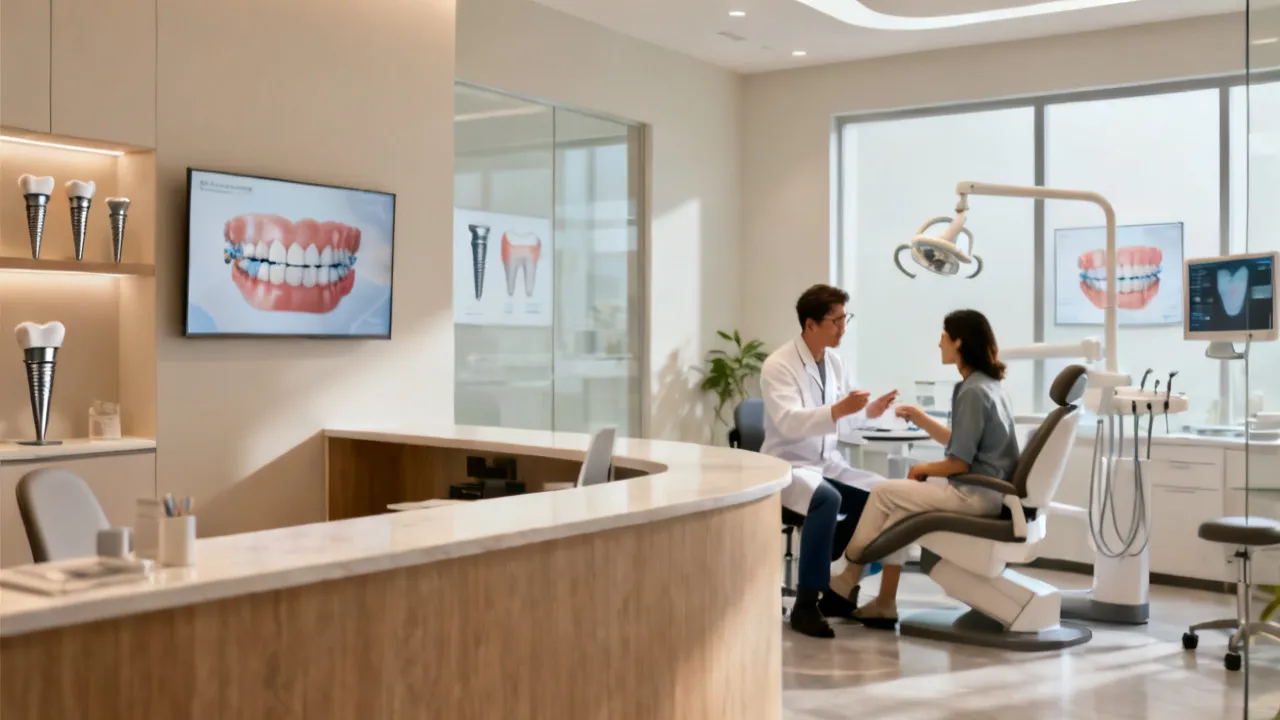
Choosing the Right Orthodontist Nearby for Implants
How to Choose an Orthodontist Nearby for Implants
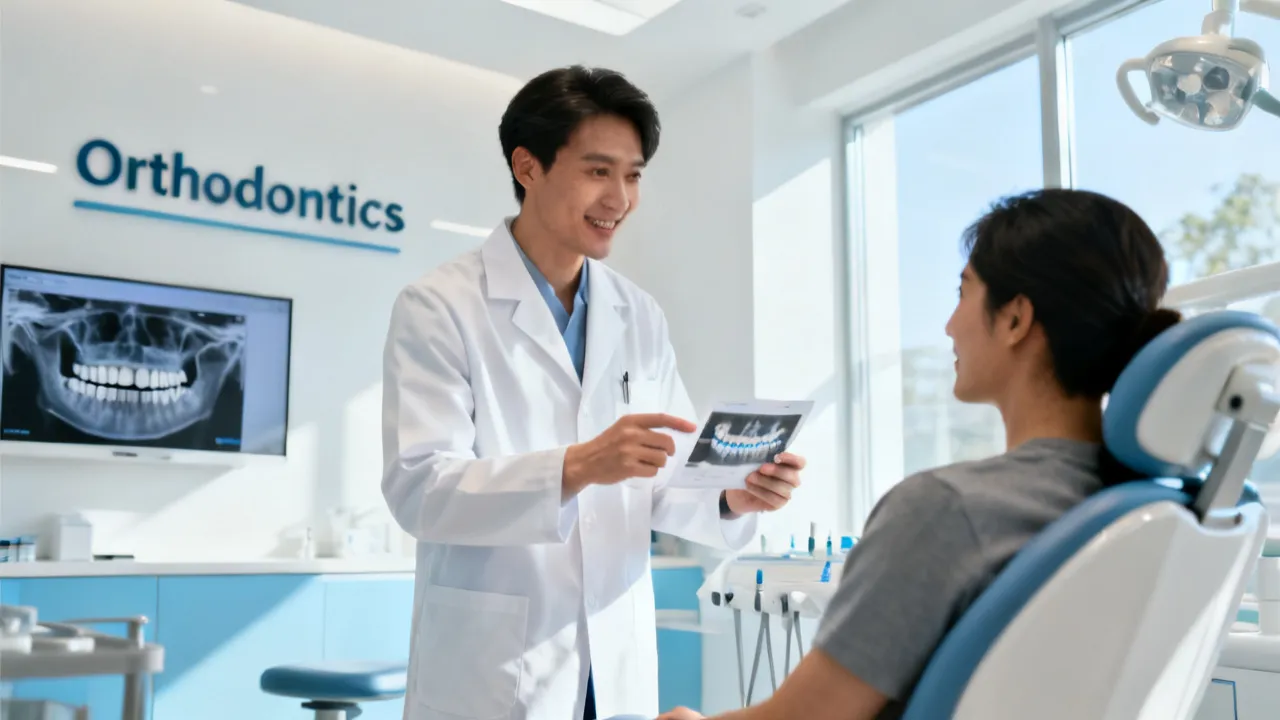
Orthodontist in My Area: Costs, Options, and Guidance
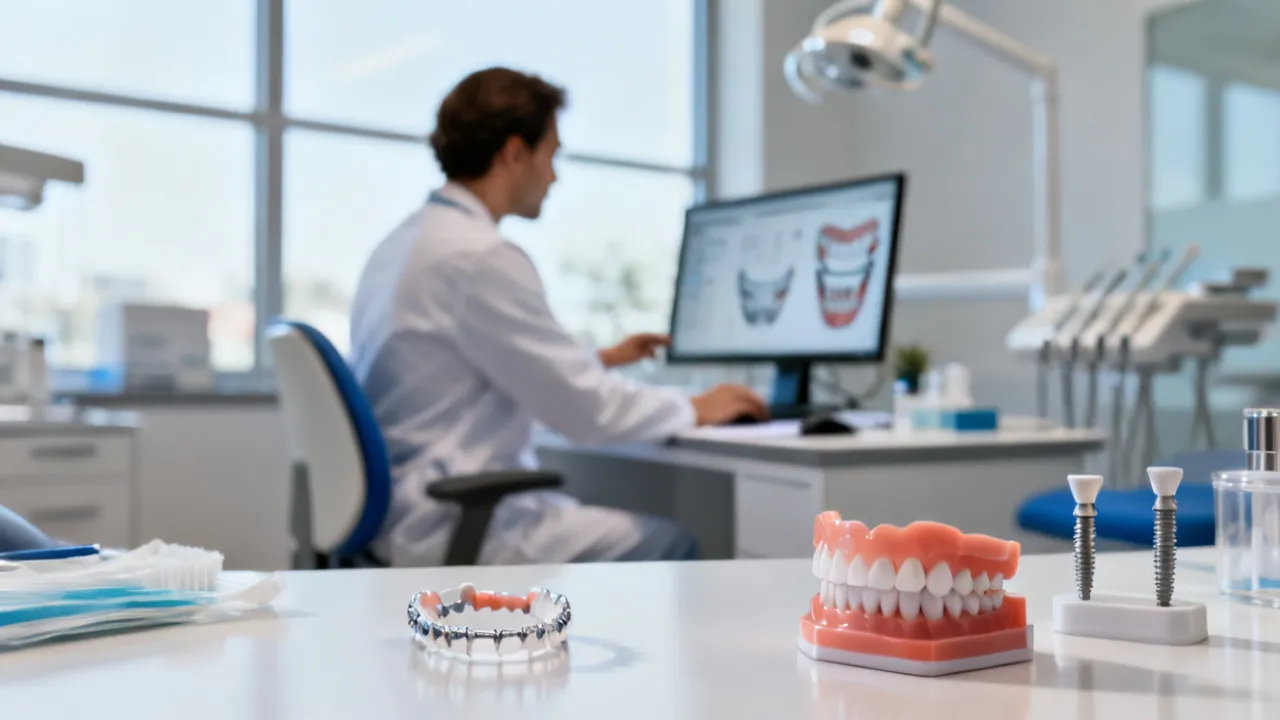
How to Choose an Orthodontist Nearby
This guide explains how to find an orthodontist nearby, what to expect from modern orthodontic care, and how dental implant planning can affect bite and jaw alignment. It also outlines how low-cost options are evaluated across English-, Spanish-, and Portuguese-speaking markets, with practical steps and reference cost ranges (prices vary by case and location).
How to Choose an Orthodontist Nearby
This guide helps you evaluate an “Orthodontist in My Area” through objective criteria, including qualifications, treatment philosophy, and orthodontic care coordination. It also explains how dental implant pricing and affordable options are often approached in English-, Spanish-, and Portuguese-speaking countries, with practical cost ranges and decision steps.
Finding an Orthodontist Nearby for Quality Care
This guide helps you evaluate an Orthodontist in My Area by focusing on clinical fit, treatment planning, and cost transparency—especially for patients considering implant-adjacent orthodontics. It also summarizes low-cost implant information from reputable English-, Spanish-, and Portuguese-speaking resources, and provides practical steps to pursue affordability without compromising safety.
Finding an Orthodontist Nearby for Smart Treatment
This guide helps you choose an Orthodontist in My Area nearby by explaining how care is planned, what to ask during consultations, and how costs for dental implants are typically structured. It also compares information sources for low-cost implant guidance in English-, Spanish-, and Portuguese-speaking countries, with practical steps and estimated cost ranges for implants by country.
How to Choose an Orthodontist Nearby
This guide helps you find an “Orthodontist in My Area” with an evidence-based approach—what to ask, how orthodontic treatment works, and how to evaluate costs responsibly. It also explains how dental implant and orthodontic planning can intersect, compares low-cost implant information resources, and provides practical pricing ranges by country for reference purposes only.
How to Choose an Orthodontist Nearby
This guide explains how to find the right “Orthodontist in My Area” while evaluating dental implant affordability, treatment pathways, and practical next steps. It provides objective background on orthodontic care, what to expect during consultations, and how low-cost implant options may be structured across English-, Spanish-, and Portuguese-speaking countries, including cost ranges for single implants.